
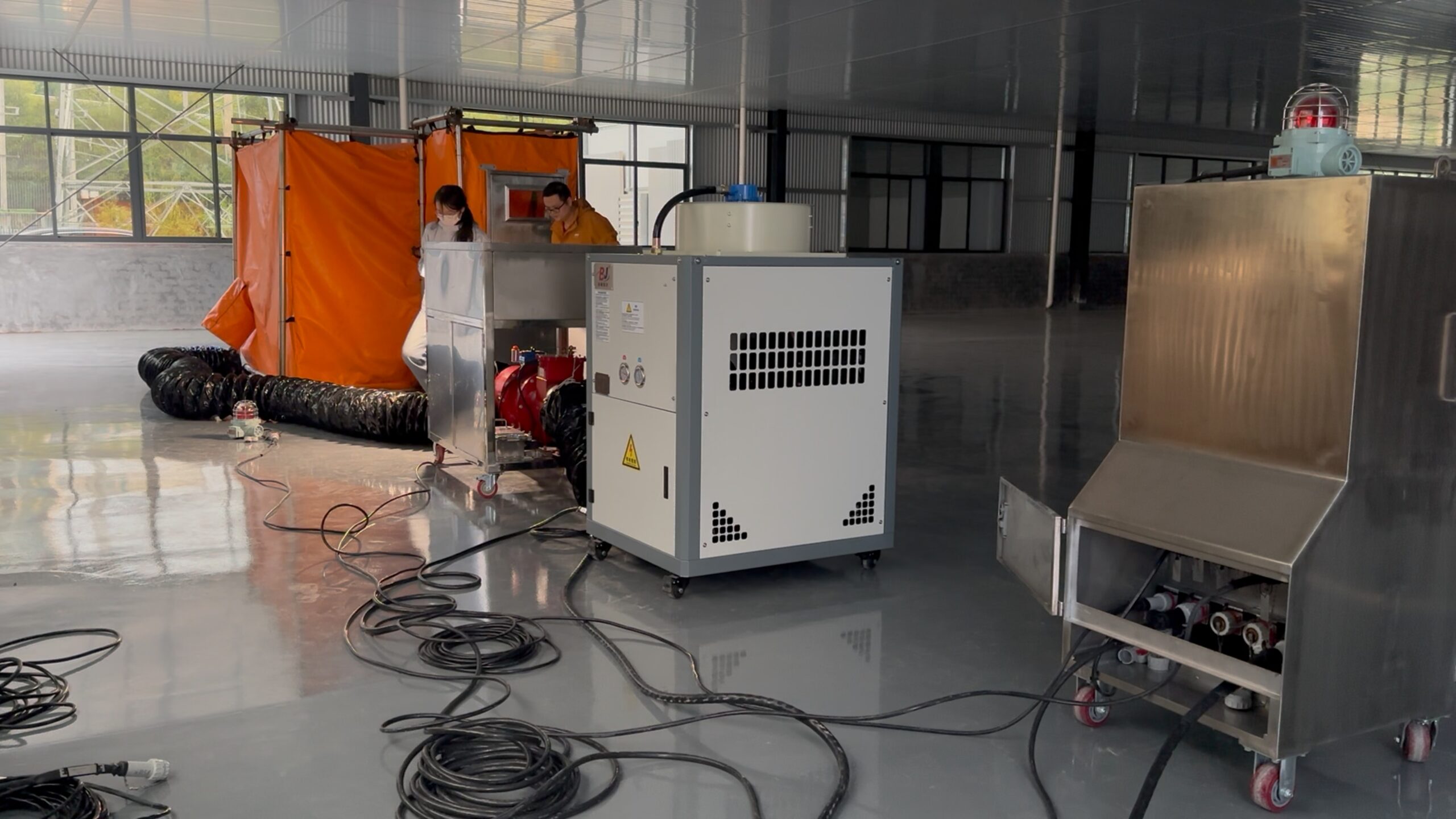

Hot work activities such as cutting and welding in hazardous environments require strict safety controls to prevent fires and explosions. In areas where no graded control measures are in place, the risk of explosive atmospheres is significantly increased, posing a serious threat to personnel, equipment, and surrounding facilities.
To address these challenges, especially on offshore oil and gas platforms and in locations where flammable gases are present, our company has developed an advanced welding habitat system. This system is specifically engineered for use in potentially explosive atmospheres, providing a controlled, pressurized, and fire-resistant enclosure that minimizes risk during hot work operations.
By combining durable flame-retardant materials with efficient ventilation and air pressurization technology, our welding habitat ensures compliance with international safety standards while protecting workers, the environment, and critical infrastructure.
Welding Habitat System
ATEX Welding Habitat System for Hazardous Area Hot Work (Zone 1 & Zone 2)
We offer fully compliant ATEX welding habitat systems, purpose-built for operation in hazardous environments, including Zone 1 and Zone 2 classified areas. These habitats are designed to create a controlled and secure workspace, allowing safe execution of various hot work activities such as welding, grinding, and cutting in explosive atmospheres.
Across industries like oil & gas, offshore platforms, and refineries, the presence of flammable gases and vapors significantly increases the risk of ignition during hot work operations. In such high-risk environments, implementing reliable safety systems is essential to prevent accidents and ensure uninterrupted operations.
Our solution incorporates positive pressure welding habitats integrated with an intelligent gas monitoring and control system. This setup effectively prevents the entry of hazardous gases while continuously maintaining a safe internal atmosphere, providing a dependable environment for critical maintenance and repair tasks.
All system components are manufactured and tested in accordance with ATEX certification requirements, ensuring full compliance with international safety standards. This guarantees enhanced protection, operational reliability, and suitability for demanding industrial applications.
Welding Habitat System Parts
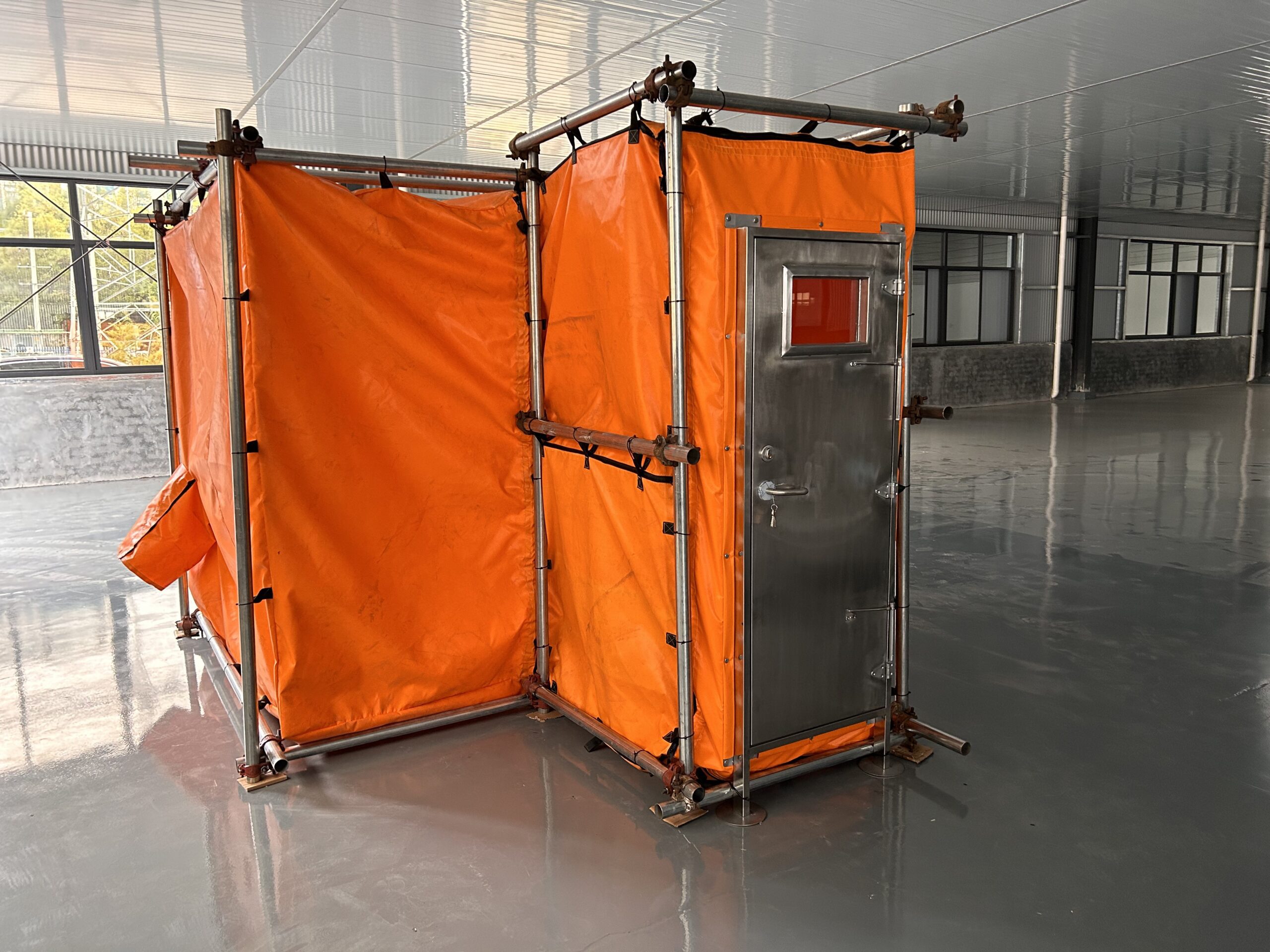
Welding Habitat
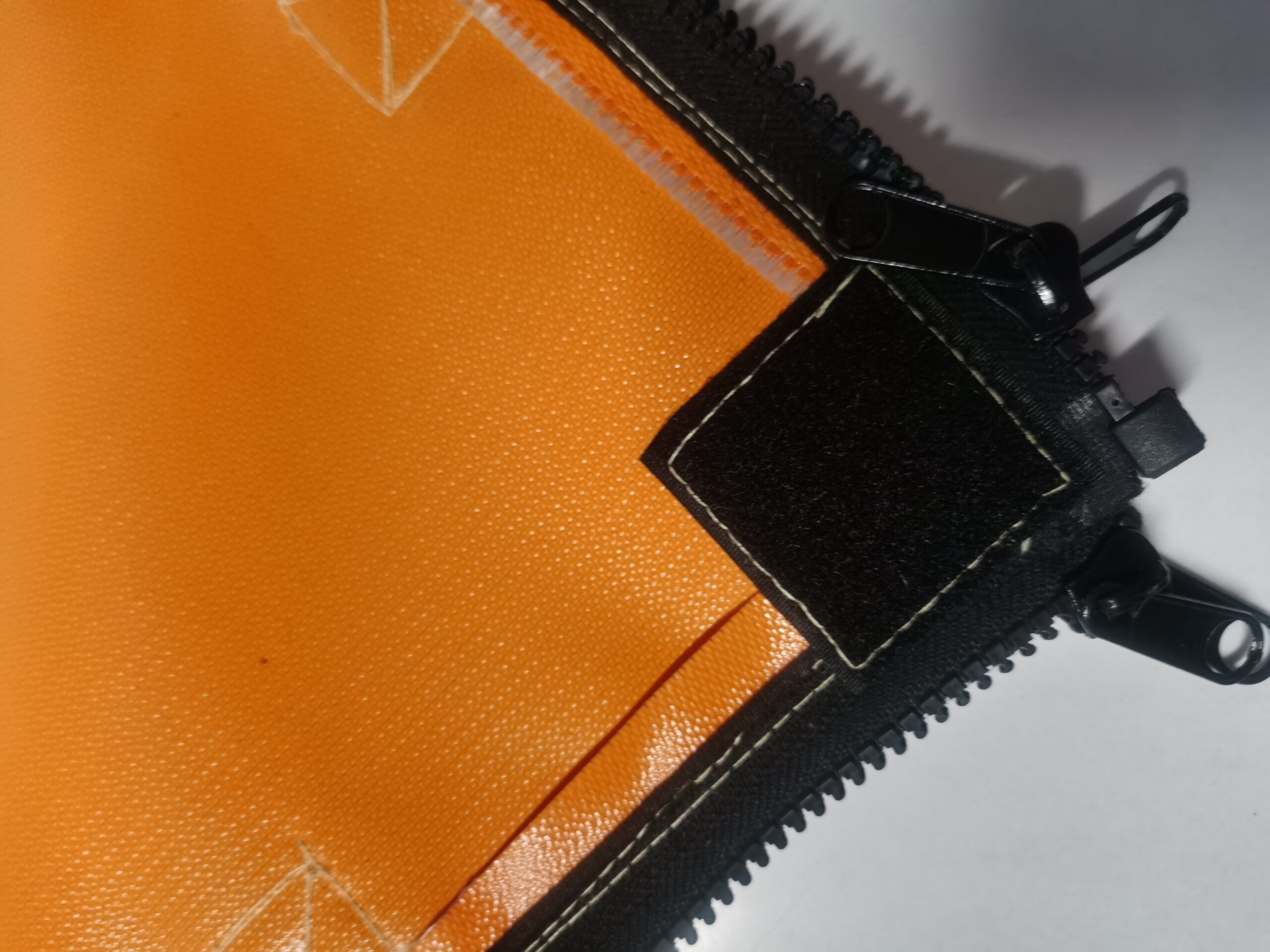
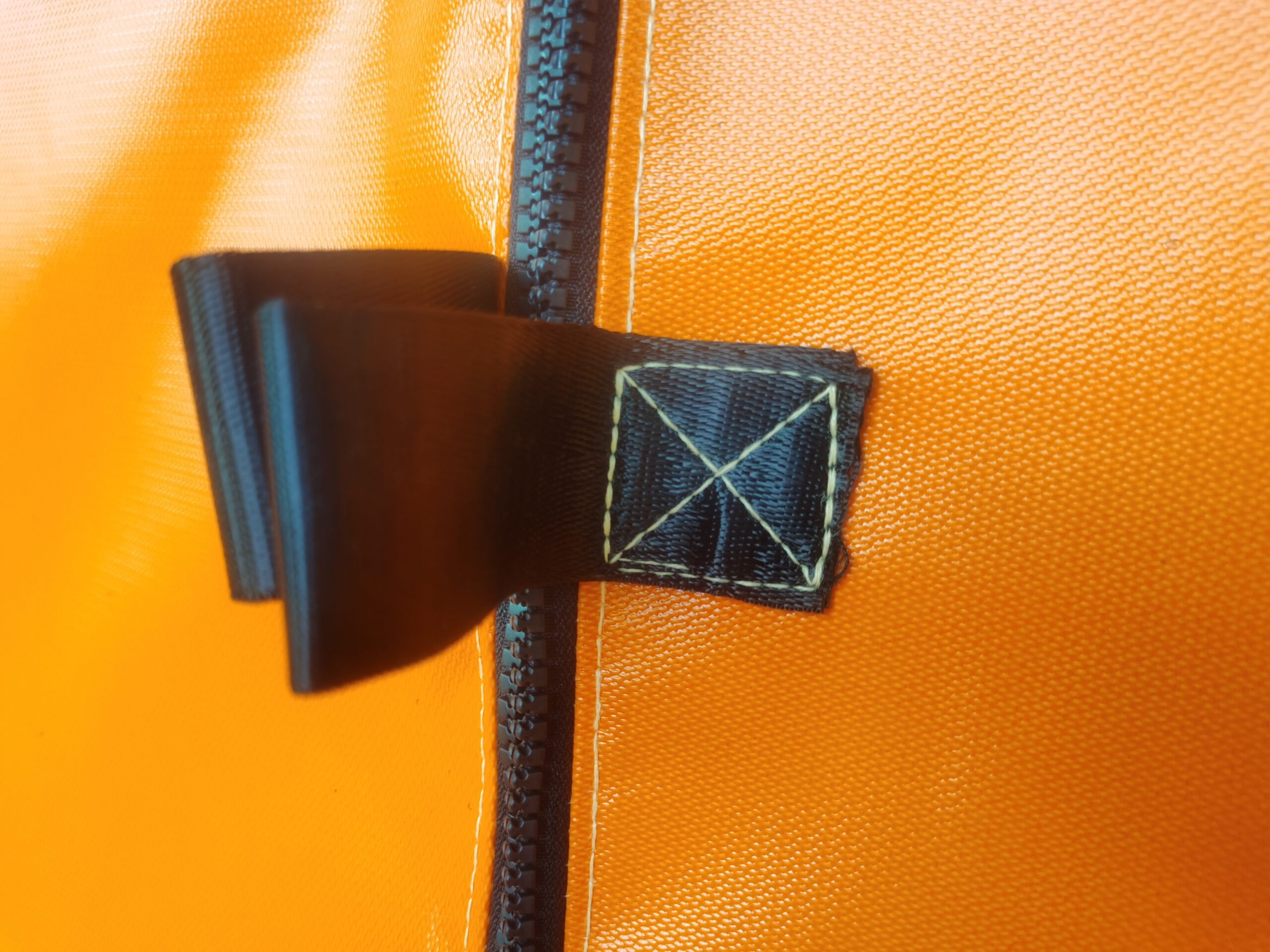
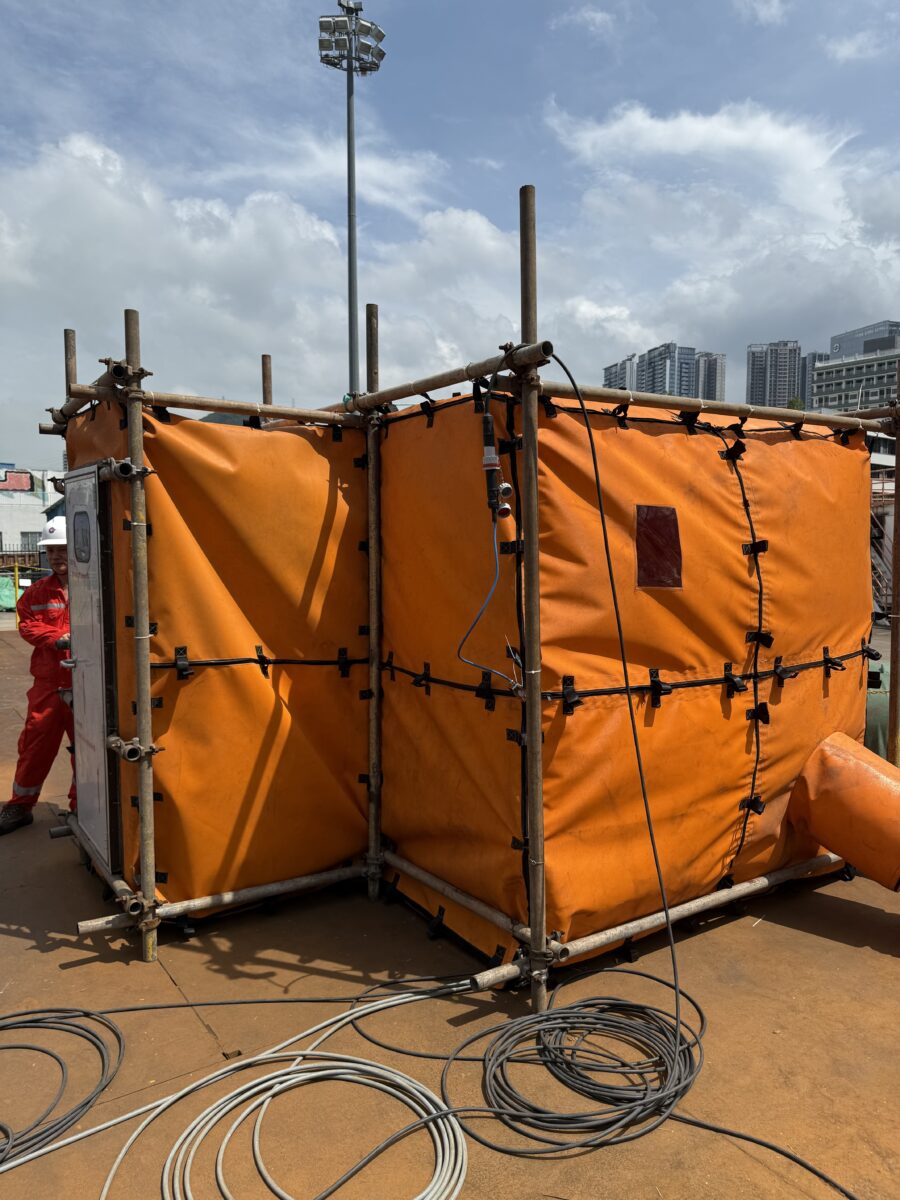
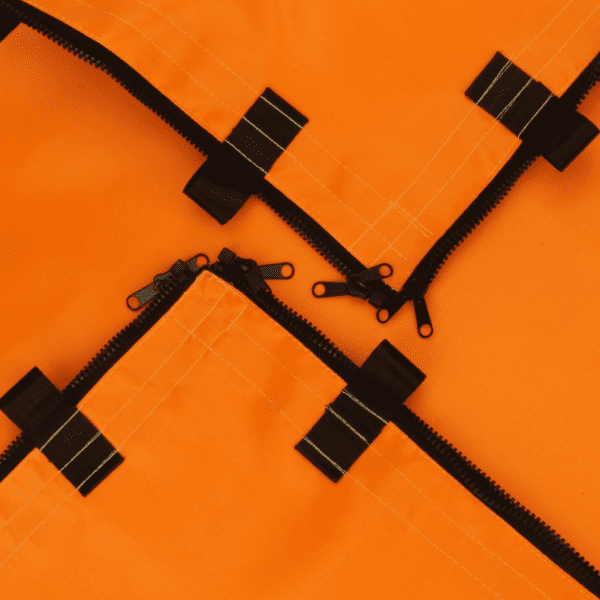
The welding habitat is constructed from high-performance silicone-coated fiberglass fabric or silicone-coated high silica fabric. These materials are connected to fire-resistant panel interlock systems, ensuring both superior flame resistance and airtight sealing.
With the ability to withstand continuous operating temperatures of up to 1000°C (1832°F), the habitat provides reliable protection against extreme heat. This durable and sealed enclosure creates a controlled workspace that minimizes fire risks and enhances safety during welding and cutting operations.
Pressure Differential Module (PDM)
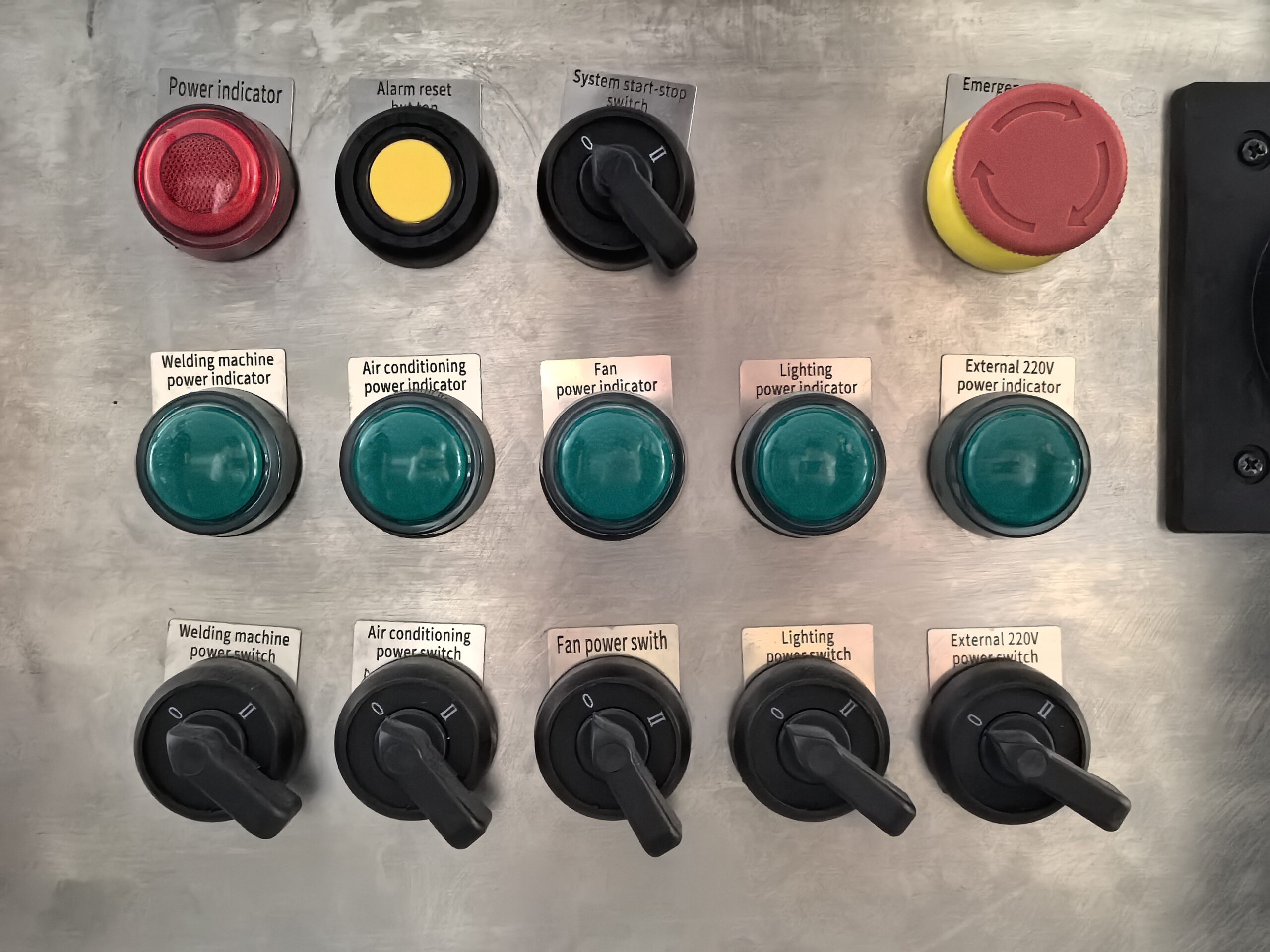
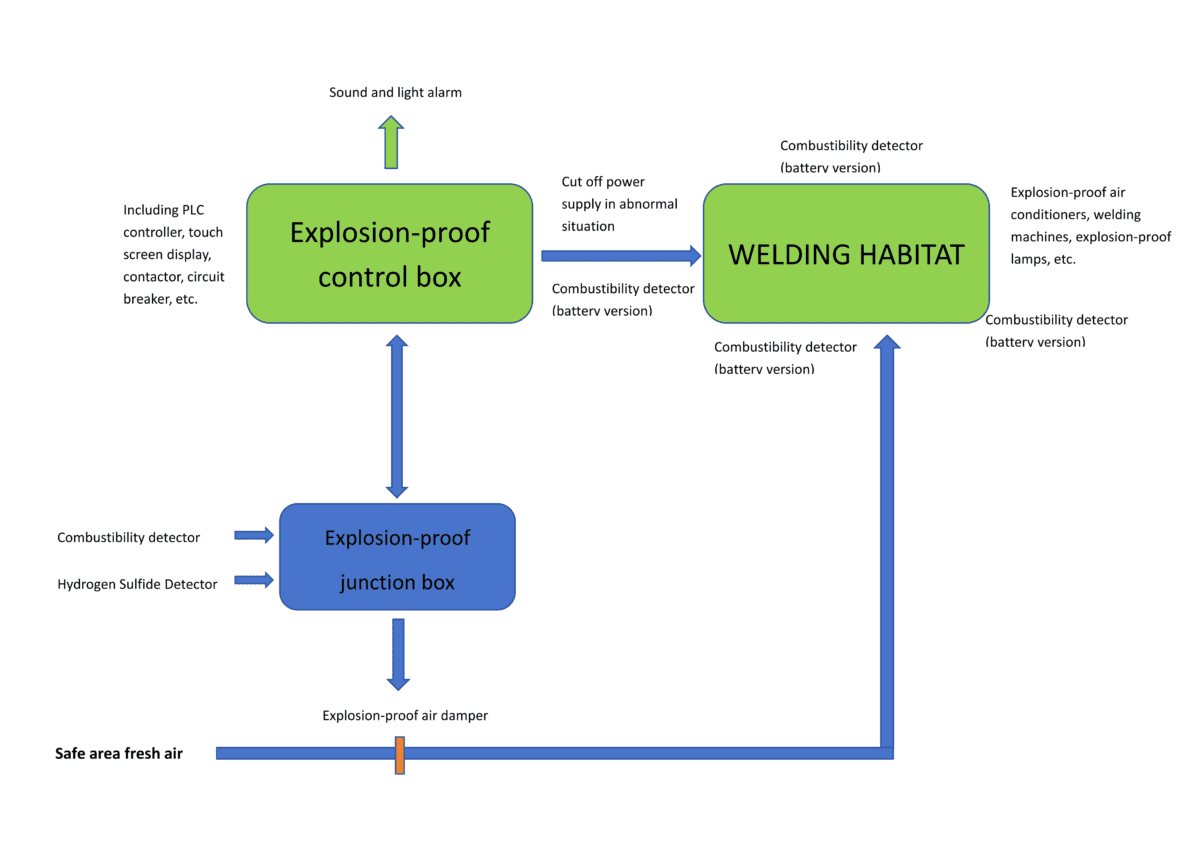
The Pressure Differential Module (PDM) is installed within the pressurized welding habitat to continuously monitor internal air pressure levels. If pressure drops below safe thresholds, the system immediately alerts operators.
By maintaining positive pressure inside the habitat, the PDM prevents the ingress of hazardous gases, ensuring a stable and secure working environment while preserving the integrity of the enclosure.
Gas Detection Module
The Gas Detection Module continuously monitors the air quality inside the habitat to ensure it remains safe for breathing. It is specifically designed to detect dangerous gases such as hydrocarbons and hydrogen sulfide (H₂S).
In the event of gas detection, the system automatically shuts off airflow to prevent contamination, significantly reducing the risk of exposure and ensuring a safe working atmosphere for personnel.
Remote Gas Sensor
The Remote Gas Sensor monitors air quality outside the welding habitat, providing an additional layer of safety. It detects hazardous gases in the surrounding environment and immediately triggers equipment shutdown when necessary.
This proactive safety feature prevents dangerous gases from entering the habitat and allows operators to respond quickly to external risks, enhancing overall operational safety.
Welding Control Module (WCM)
The Welding Control Module (WCM) is an intelligent safety component that automatically shuts down electrical or pneumatic tools after use. This ensures strict compliance with safety protocols and reduces the risk of accidental ignition.
By minimizing human error and enforcing proper tool management, the WCM enhances both safety and efficiency, making it an essential part of modern welding habitat systems.
Welding Habitat System Advantage
Our welding habitat system is designed to deliver maximum safety during hot work operations in hazardous environments. By integrating advanced materials and engineered safety controls, the system effectively minimizes fire and explosion risks while ensuring compliance with industry safety standards.
- Effective Spark Control:The habitat is constructed using high-performance fire-resistant materials combined with advanced spark containment technology. This system captures and suppresses sparks generated during cutting and welding processes, preventing them from escaping the enclosure and coming into contact with flammable gases.
- Positive Pressure Protection:The habitat maintains a controlled internal overpressure to create a protective barrier against hazardous external atmospheres. This positive pressure system prevents the ingress of flammable or toxic gases, ensuring a safe and stable working environment for personnel.
- Isolated Welding Environment:The welding area is fully enclosed within a sealed, fire-resistant structure designed to contain heat, sparks, and hazardous by-products. Tight sealing and specialized panel construction ensure that all risks remain confined within a controlled workspace.
- Enhanced Barrier Protection:A combination of physical barriers and pressure control systems creates a strong separation between welding operations and nearby flammable materials. This dual-layer protection significantly reduces the risk of fire or explosion in high-risk environments.
- Control of Sparks and Spatter:The habitat incorporates specialized coatings and internal structures that limit the spread of sparks and molten spatter. These features capture or neutralize hazardous particles at the source, preventing them from becoming ignition risks.
Applications of Welding Habitat Systems
Welding habitat systems are widely used across high-risk industries where hot work must be performed safely in challenging or hazardous environments. These systems provide a controlled, enclosed workspace that reduces fire risks, improves weld quality, and ensures compliance with safety standards.
- Marine and Offshore: IndustryWelding habitat systems are essential for ship repair, shipbuilding, and offshore platform maintenance. In marine environments, high humidity, salt exposure, and strong winds can negatively impact welding quality and safety.By creating a dry, wind-resistant enclosure, the habitat minimizes contamination and significantly reduces fire risks, ensuring reliable and high-quality welding operations even in harsh offshore conditions.
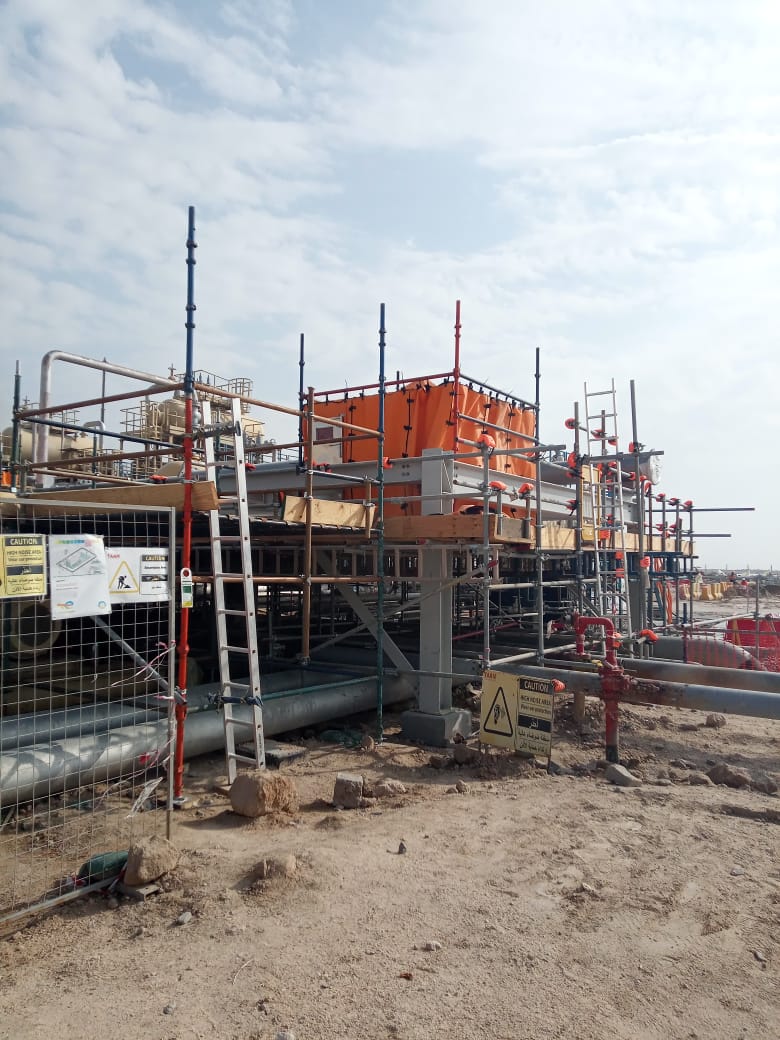
- Oil and Gas Industry:In oil refineries, drilling platforms, and petrochemical facilities, the presence of flammable gases and vapors creates a high risk of fire and explosion during welding operations.Welding habitats provide a sealed and pressurized environment that isolates the work area, preventing hazardous gases from entering and ensuring a safer workspace for personnel working in hydrocarbon-rich environments.
- Chemical Plants:Chemical processing facilities often require maintenance welding on pipelines, tanks, and equipment that may contain volatile or toxic substances.A welding habitat system offers a controlled environment that limits exposure to hazardous chemicals, reduces external interference, and enhances overall operational safety during repair and maintenance work.
- Construction and Infrastructure:In large-scale construction projects such as bridges, high-rise buildings, and industrial structures, welding habitats protect both the welding process and workers from adverse weather conditions.This controlled environment ensures consistent weld quality, maintains structural integrity, and helps keep construction projects on schedule without compromising safety.
- Emergency Repairs and Rapid Response:Welding habitat systems are ideal for emergency repair scenarios where rapid deployment is critical. These portable systems can be quickly installed to create a safe welding environment in urgent situations.By enabling immediate and secure hot work operations, welding habitats help minimize downtime and restore critical infrastructure or equipment efficiently.
Reviews
There are no reviews yet.