
For HSE Managers working in oil and gas, shipyards, offshore platforms, chemical plants, refineries, and industrial maintenance sites, hot work is always one of the highest-risk activities. Welding, grinding, cutting, and brazing can generate sparks, heat, flames, and ignition sources that may lead to fire, explosion, injury, production shutdown, or serious asset damage.
A welding habitat system is designed to reduce these risks by creating a controlled and isolated working area around the hot work operation. It helps separate the welding zone from the surrounding environment, control sparks and heat, and support safer work execution in areas where flammable gases, vapors, dust, or combustible materials may be present.
According to OSHA, welding and cutting require strict fire prevention measures, including fire watch when combustible materials or fire risks are present within the working area. HSE also highlights that explosive atmospheres can be caused by flammable gases, vapors, mists, or combustible dust, and that controlling ignition sources is a key part of risk reduction.
What Is a Welding Habitat System?
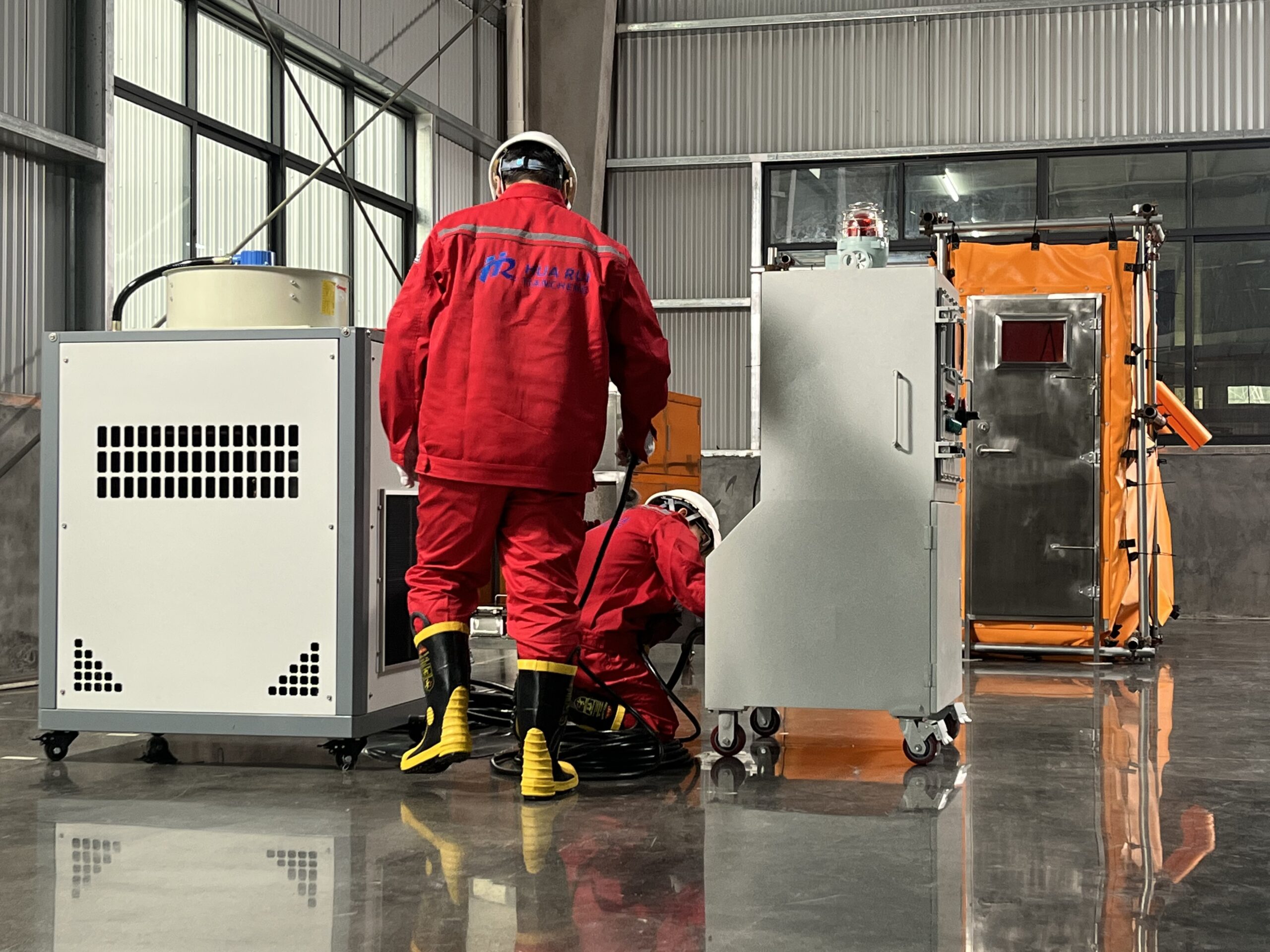
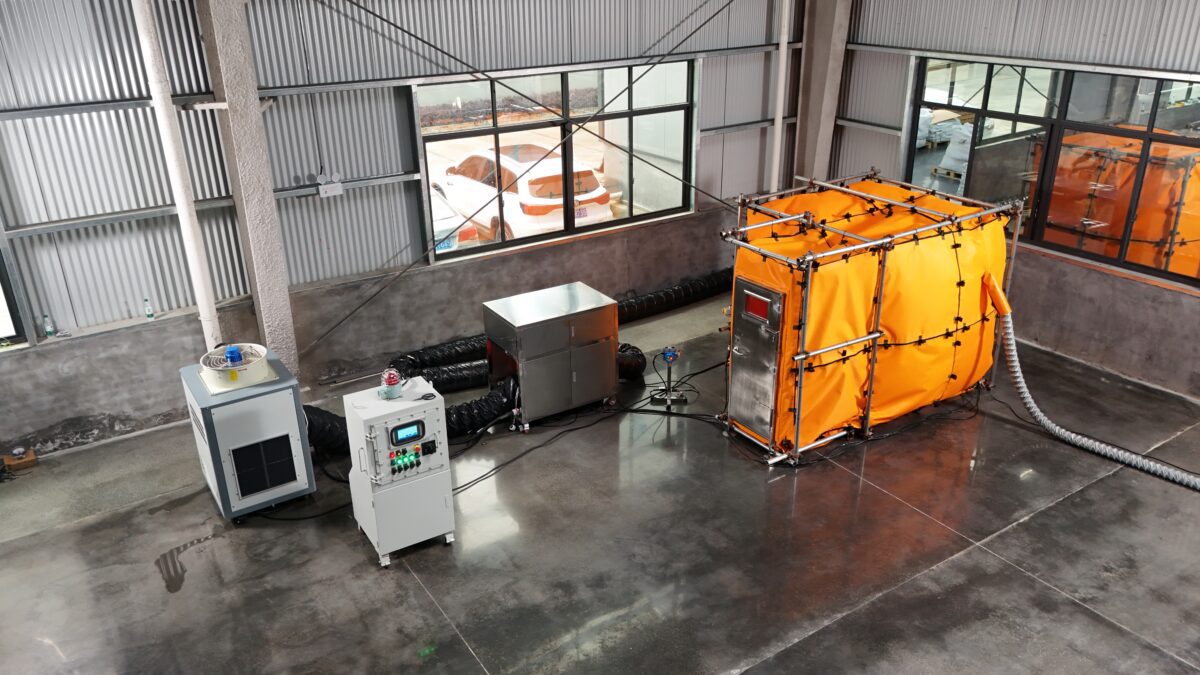
A welding habitat system, also known as a hot work habitat or pressurized welding enclosure, is a temporary modular enclosure used to create a safer environment for welding and other hot work activities.
The system is usually made with flame-retardant or fire-resistant panels, structural frames, ventilation or air supply systems, access doors, observation windows, and monitoring equipment. In hazardous environments, some welding habitats may be designed with positive pressure and certified electrical components to help prevent flammable gas from entering the hot work area.
For HSE Managers, the purpose of a welding habitat system is not only to “cover the welding area.” Its real value is to support a complete hot work control strategy, including:
Controlled isolation of the work zone
Spark, flame, and heat containment
Reduced exposure to nearby personnel and assets
Improved compliance with hot work permit procedures
Better control of ventilation and environmental conditions
Lower risk of fire, explosion, and unplanned shutdowns
Why HSE Managers Need Welding Habitat Systems
1. Better Control of Hot Work Hazards
Hot work remains a major safety concern because it introduces ignition sources into industrial environments. In refineries, offshore platforms, petrochemical plants, and tank areas, even a small spark can become a serious incident if gases, vapors, or combustible materials are present.
A welding habitat system helps HSE teams create a controlled barrier between the hot work activity and the surrounding hazardous area. This makes it easier to manage risk before, during, and after welding.
For HSE Managers, this supports the key principles of hot work safety: hazard identification, area isolation, atmosphere monitoring, fire prevention, emergency preparation, and permit-to-work control.
2. Supports Hot Work Permit Management
A hot work permit is not just paperwork. It is a risk control process. Before approving welding or grinding, HSE teams need to confirm that the area has been inspected, combustible materials have been removed or protected, fire watch arrangements are in place, gas testing has been completed where required, and emergency equipment is available.
A welding habitat system can make this process more structured. It provides a clearly defined hot work zone, making it easier for supervisors and HSE personnel to inspect, approve, monitor, and document the activity.
This is especially important in complex sites where multiple contractors, maintenance teams, and production departments are working at the same time.
3. Reduces Fire and Explosion Risk
In hazardous areas, the biggest concern is not only the welding arc itself, but also the surrounding atmosphere. Flammable gases, vapors, and dust can create explosive conditions if they meet an ignition source.
A properly designed welding habitat system helps reduce this risk by providing physical separation, controlled airflow, and safer containment of sparks and hot particles. For higher-risk environments, positive pressure systems may be used to help keep external gases away from the welding zone.
This is why welding habitats are widely used in oil and gas, offshore, marine, LNG, chemical, and energy-related projects.
4. Helps Minimize Shutdown Time
For many industrial sites, stopping production for welding maintenance can be expensive. However, performing hot work without proper control is unacceptable from an HSE perspective.
A welding habitat system can help balance safety and productivity. By creating a safer temporary enclosure, some maintenance or repair tasks may be completed with better risk control and less disruption to surrounding operations, depending on site rules, risk assessment results, and local regulations.
For HSE Managers, this means the system can support both safety performance and operational continuity.
5. Improves Worker Protection
Welding activities expose workers to sparks, heat, fumes, radiation, and surrounding site hazards. A welding habitat system helps create a more organized working environment, reducing uncontrolled exposure for nearby personnel.
When combined with proper PPE, ventilation, gas monitoring, fire watch, and emergency procedures, the welding habitat becomes part of a broader worker protection strategy.
HSE Managers should still ensure that welding fumes, oxygen levels, heat stress, access control, communication, and emergency escape routes are properly managed.
Key Features to Look for in a Welding Habitat System
When selecting a welding habitat system, HSE Managers should focus on safety performance, site adaptability, certification, and long-term reliability.
Fire-Resistant Materials
The panels should be made from durable fire-resistant or flame-retardant materials, such as coated fiberglass fabric or other high-temperature materials suitable for hot work environments.

Modular Structure
A good system should be easy to assemble, dismantle, transport, and adapt to different work areas. Modular design is especially useful for offshore platforms, pipelines, shipyards, and confined industrial spaces.
Positive Pressure Option
For hazardous environments, a pressurized welding habitat can help maintain a safer internal atmosphere by reducing the possibility of external flammable gases entering the enclosure.
Gas Detection Compatibility
The system should support gas monitoring and atmosphere control, especially in Zone 1, Zone 2, confined spaces, or areas where flammable gases or vapors may exist.
Clear Access and Observation
Access doors, transparent windows, and inspection points help supervisors and HSE teams monitor work progress without interrupting the operation.
Customizable Design
Different projects may require different sizes, shapes, materials, panel thicknesses, access points, and ventilation arrangements. Customization is important for matching real site conditions.
Welding Habitat System Applications
A welding habitat system can be used in many high-risk industrial environments, including:
Oil and gas platforms
Refineries and petrochemical plants
Chemical processing facilities
Shipbuilding and ship repair
Offshore maintenance projects
Pipeline welding and repair
Power plants
LNG facilities
Industrial shutdown and turnaround projects
Confined or restricted work areas
For HSE Managers, the most important point is that the system should always be selected according to the site risk assessment, hazardous area classification, hot work permit requirements, and emergency response plan.
How to Use a Welding Habitat System Safely
A welding habitat system should never be treated as a standalone safety guarantee. It must be part of a complete hot work safety program.
Before use, the HSE team should confirm:
The work area has been inspected and risk assessed
The hot work permit has been approved
Combustible materials have been removed or protected
Gas testing has been completed where required
Fire watch personnel are assigned
Fire extinguishers or other firefighting equipment are available
Ventilation and air supply systems are working correctly
Electrical equipment is suitable for the work environment
Emergency exits and communication methods are clear
Workers understand the job safety requirements
After the work is completed, the area should continue to be monitored according to site procedures. OSHA guidance also emphasizes the importance of fire watch duties after hot work where fire risks may remain.
Why Choose Jiangxi Huarui Tiancheng Welding Habitat System
Jiangxi Huarui Tiancheng Composite Materials Co., Ltd. provides welding habitat systems designed for industrial hot work safety, hazardous area maintenance, and project-based welding protection.
As a fiberglass composite materials manufacturer, the company has experience in fire-resistant fabrics, coated fiberglass materials, welding protection products, and customized industrial safety solutions. With professional production capability and engineering support, the welding habitat system can be customized according to project requirements, including size, material, thickness, structure, access design, and packaging.
Our advantages include:
Full-series fiberglass composite material supply
Custom material, size, thickness, and structure options
Professional engineering support for project needs
Strict quality control from raw material to finished product
Suitable solutions for industrial hot work and welding protection
Support for bulk orders and project-based delivery
For HSE Managers, choosing a reliable welding habitat system supplier means more than buying an enclosure. It means selecting a partner that understands hot work risk, industrial safety requirements, and the importance of stable project delivery.
Conclusion
A welding habitat system is an important safety solution for controlling hot work risks in hazardous and high-value industrial environments. For HSE Managers, it supports better fire prevention, explosion risk control, permit-to-work management, worker protection, and operational continuity.
However, the system must always be used together with proper risk assessment, gas testing, fire watch, ventilation, PPE, emergency planning, and site-specific HSE procedures.
When properly selected and managed, a welding habitat system can help companies perform necessary welding and maintenance work with greater safety, better compliance, and stronger control over high-risk operations.