
Introduction
In oil and gas, offshore platforms, shipyards, chemical plants, and industrial maintenance projects, welding is often performed in high-risk environments. Sparks, heat, flammable vapors, combustible materials, and confined work areas can create serious fire and explosion hazards.
That is why HSE — Health, Safety, and Environment — plays a key role in every welding habitat project. A welding habitat system is not just a temporary enclosure. It is a controlled safety solution designed to help isolate hot work, manage risk, protect workers, and support safer project execution.
According to OSHA hot work requirements, welding and cutting should not be performed in hazardous or potentially flammable atmospheres, and confined spaces must be tested before hot work begins.
What Is a Welding Habitat System?
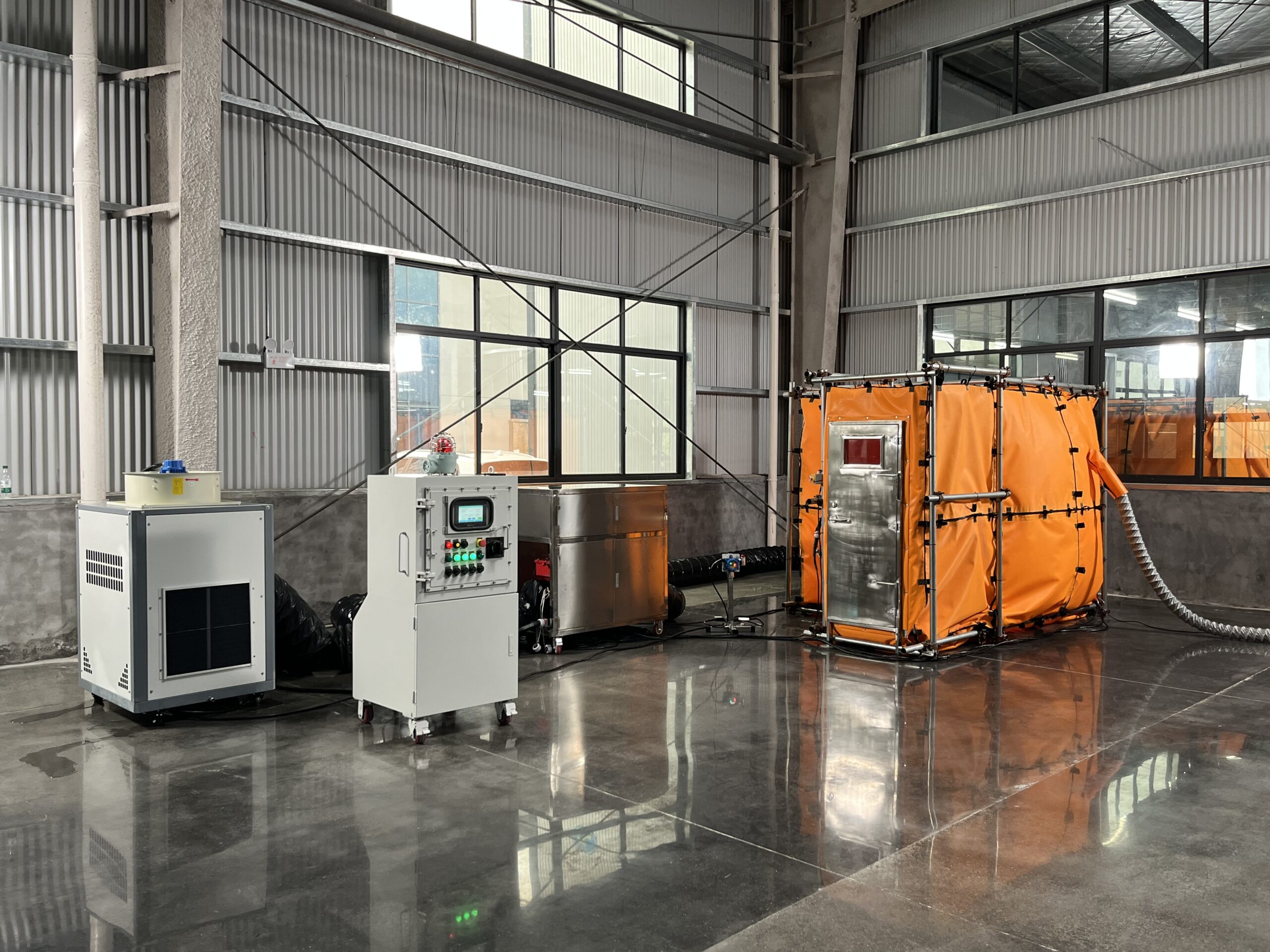
A welding habitat system, also called a pressurized welding habitat or hot work enclosure, is a temporary fire-resistant enclosure used to create a safer working area for welding, grinding, cutting, and other hot work.
It is commonly used in:
- Offshore oil and gas platforms
- Petrochemical plants
- LNG facilities
- Refineries
- Shipyards
- Pipeline maintenance projects
- Industrial construction sites
A professional welding habitat normally includes fireproof tarpaulin panels, frame structure, air supply system, pressure control, gas detection, ventilation, lighting, and safety monitoring equipment.
Why HSE Is Important in Welding Habitat Projects
1. HSE Helps Control Hot Work Hazards
Welding generates sparks, heat, molten metal, and fumes. In normal workshops, these risks can be managed more easily. However, in oil and gas or chemical environments, even a small spark may become a serious safety incident.
A properly designed welding habitat system helps create a separated hot work zone. It reduces the chance of sparks contacting nearby flammable materials and helps keep the work area under controlled conditions.
For HSE managers, the key point is not only whether welding can be completed, but whether it can be completed safely, repeatedly, and under documented control.
2. HSE Supports Gas Detection and Atmosphere Control
One of the most important HSE concerns in welding habitat systems is atmospheric safety. Before and during hot work, the work area may need gas testing to check oxygen levels, flammable gases, and toxic gases.
OSHA guidance highlights that hot work in confined spaces should not begin until the atmosphere has been tested and confirmed safe.
A high-quality welding habitat can support:
- Continuous gas monitoring
- Positive pressure control
- Ventilation management
- Airflow control
- Emergency shutdown procedures
This is especially important in offshore platforms, refineries, and chemical plants where flammable gas leakage is a major risk.
3. HSE Reduces Fire and Explosion Risk
Fire prevention is one of the core purposes of a welding habitat system. The enclosure material should be flame-retardant, heat-resistant, and suitable for industrial hot work conditions.
HSE teams usually care about:
- Fire-resistant fabric performance
- Seam strength
- Heat resistance
- Anti-static performance if required
- Proper sealing between panels
- Safe distance from combustible materials
- Emergency evacuation access
A welding habitat system with reliable fireproof tarpaulin panels can help contain sparks and reduce the chance of fire spreading outside the working area.
4. HSE Improves Worker Protection
Welding habitat systems are also important for worker safety. A well-designed habitat can help reduce direct exposure to harsh external environments, welding fumes, wind, rain, and uncontrolled airflow.
For workers, this means a safer and more stable working space. For project managers, this means fewer interruptions, better work efficiency, and lower accident risk.
Important worker protection factors include:
- Sufficient ventilation
- Safe lighting
- Clear entrance and exit points
- Fire watch arrangement
- Gas detector visibility
- Emergency communication
- Proper PPE use
A welding habitat should always be used together with a complete HSE plan, not as a replacement for safe work procedures.
5. HSE Helps Meet Project Compliance Requirements
Many industrial projects require strict HSE documentation before hot work approval. This may include hot work permits, risk assessments, method statements, gas testing records, fire watch plans, and equipment inspection reports.
A professional welding habitat supplier should understand these requirements and provide products that support project compliance.
For international projects, buyers may also pay attention to standards and certifications such as:
- ATEX-related requirements
- Fire-retardant material testing
- ISO quality management
- Site-specific HSE requirements
- Oil and gas contractor safety rules
For many HSE managers, choosing the right welding habitat supplier is not only a purchasing decision. It is part of the project risk-control strategy.
6. HSE Increases Project Efficiency
Safety and efficiency are not opposite goals. In fact, strong HSE control can improve project efficiency.
Without a proper welding habitat, hot work may be delayed because of wind, rain, unsafe gas levels, or permit restrictions. With a controlled welding enclosure, contractors may be able to carry out welding work more safely and with fewer interruptions.
A reliable welding habitat system can help:
- Reduce hot work delays
- Improve site work continuity
- Support faster permit approval
- Lower accident-related downtime
- Improve contractor confidence
- Protect surrounding equipment and personnel
For offshore and industrial projects, even a short delay can create high costs. That is why HSE-focused welding habitat systems are valuable for both safety and productivity.
Key HSE Features to Consider When Choosing a Welding Habitat
When selecting a welding habitat system, HSE managers and project buyers should check more than the price. The following factors are important:
Fire-Resistant Materials
The tarpaulin and enclosure panels should be made from high-temperature-resistant and flame-retardant materials suitable for welding environments.
Positive Pressure System
A pressurized welding habitat can help prevent external flammable gases from entering the work area when properly designed and operated.
Gas Detection Compatibility
The system should support gas detectors and continuous monitoring during hot work.
Ventilation and Airflow
Good ventilation helps manage welding fumes, heat, and air quality inside the enclosure.
Stable Structure
The frame and connection system should be strong enough for industrial site conditions, especially offshore or outdoor environments.
Custom Design
Different projects may require different sizes, shapes, entrances, windows, ducting positions, and material specifications.
Why Choose a Professional Welding Habitat Manufacturer?
For HSE-critical applications, buyers should work with a manufacturer that understands industrial safety requirements, not just a fabric supplier.
Jiangxi Huarui Tiancheng Composite Materials Co., Ltd. focuses on fiberglass composite materials and welding habitat systems. We provide customized welding habitat solutions for industrial hot work environments, including fireproof tarpaulin panels, frame systems, ventilation support, and project-based design options.
Our advantages include:
- Custom size and structure design
- Fire-resistant fiberglass material options
- OEM and project customization
- Support for welding, grinding, and cutting work areas
- Factory production capability
- Fast response for industrial safety projects
- Suitable solutions for oil and gas, shipyard, refinery, and maintenance projects
If your project requires a custom welding habitat system, our team can provide product recommendations based on your worksite layout, hot work requirements, and HSE control needs.
Conclusion
HSE is the foundation of every welding habitat project. A welding habitat system helps control hot work hazards, reduce fire and explosion risks, protect workers, support gas monitoring, and improve project compliance.
For HSE managers, safety officers, and industrial contractors, choosing the right welding habitat system means choosing a safer, more controlled, and more efficient way to complete hot work in high-risk environments.
A professional pressurized welding habitat system is not just equipment. It is a key part of modern industrial HSE management.