
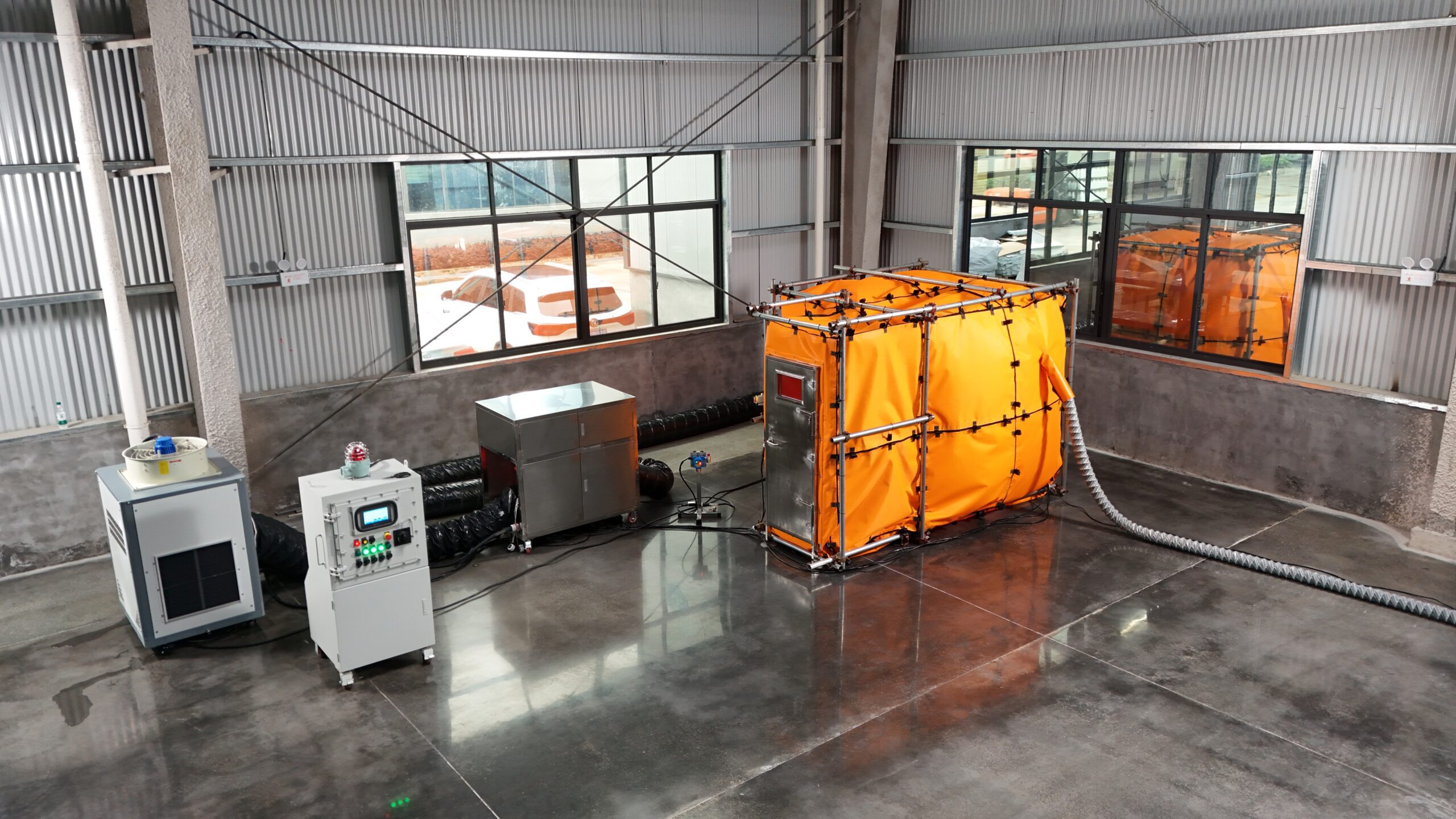
Hot work is a necessary part of many industrial projects. Welding, grinding, cutting and pipe repair are commonly required during construction, maintenance, shutdowns and emergency repair work. However, in oil and gas facilities, refineries, LNG plants, offshore platforms and chemical processing sites, hot work can also create serious fire and explosion risks.
This is why welding habitat systems are becoming increasingly important for industrial safety. A welding habitat system, also known as a hot work habitat, pressurized welding enclosure or welding safety enclosure, creates a controlled temporary workspace for hot work activities. It helps isolate sparks, heat and welding operations from the surrounding hazardous environment.
As global energy and industrial projects continue to expand, more companies are looking for safer and more efficient ways to perform hot work without increasing operational risk. For HSE managers, project managers, EPC contractors and maintenance teams, a welding habitat system is no longer just an optional safety product. It is becoming an essential part of modern hot work planning.
What Is a Welding Habitat System?
A welding habitat system is a modular enclosure designed to provide a safer working area for welding, grinding, cutting and other hot work operations. It is commonly used in hazardous or high-risk environments where flammable gas, vapor, dust, oil residue or combustible materials may be present.
A standard welding habitat system usually includes fire-resistant fabric panels, a modular frame, access doors, viewing windows, lighting, ventilation connections and sealing structures. For higher-risk environments, a pressurized welding habitat can be used to maintain positive pressure inside the enclosure. This helps prevent flammable gas or vapor from entering the hot work area.
Depending on the project requirement, a welding habitat can be customized in size, shape, frame structure, panel material, air supply system and installation method.
Why Hot Work Needs Better Control
Hot work is one of the most common causes of industrial fire risk. Welding sparks, grinding particles and high-temperature surfaces can ignite nearby combustible materials if the working area is not properly controlled.
In high-risk industrial environments, the danger is even greater because hot work may take place near:
Flammable gas lines
Oil and chemical storage areas
LNG processing units
Offshore production equipment
Confined spaces
Pipeline systems
Refinery units
Petrochemical facilities
Tank farms
Industrial maintenance zones
In these locations, simple protection methods may not be enough. A basic welding curtain or welding blanket can help block sparks, but it cannot fully control airflow, gas entry, work area isolation or positive pressure conditions. A welding habitat system provides a more complete safety solution.
Main Reasons Welding Habitat Systems Are Necessary
1. They Help Reduce Fire and Explosion Risks
The most important function of a welding habitat system is to reduce the risk of fire and explosion during hot work. By creating a controlled enclosure, the system separates welding sparks, heat and grinding particles from the surrounding hazardous area.
In oil and gas, LNG, refinery and chemical environments, this separation is critical. Even a small spark can create a serious accident if flammable vapor or gas is present. A properly designed welding habitat helps control this risk and supports safer hot work execution.
2. They Support Positive Pressure Protection
In hazardous areas, flammable gas or vapor may enter the work area if there is no proper isolation. A pressurized welding habitat can maintain positive pressure inside the enclosure, helping to keep external gases away from the welding zone.
This is especially important for offshore platforms, refineries, FPSO maintenance, LNG plants and petrochemical sites. When used together with gas monitoring and ventilation systems, positive pressure protection can make hot work safer and more manageable.
3. They Improve HSE Compliance
Industrial companies often have strict HSE requirements for hot work permits, risk assessments, fire watch, gas testing and emergency control. A welding habitat system helps support these procedures by providing physical isolation and a controlled working environment.
For contractors working with oil majors, EPC companies, shipyards or energy operators, using a professional welding habitat system can also improve project credibility. It shows that the supplier understands industrial safety requirements and is prepared for high-risk job site conditions.
4. They Help Reduce Shutdown Time
Many refineries, LNG plants, offshore platforms and chemical facilities cannot afford long shutdown periods. Every hour of downtime can create significant financial loss. A welding habitat system can help certain maintenance tasks be completed more efficiently by creating a safe hot work area without requiring unnecessary full-area shutdowns.
This does not replace safety approval or site procedures, but it can help project teams perform controlled hot work with better planning and lower operational interruption.
5. They Are Suitable for Complex Job Sites
Industrial maintenance is rarely performed in a perfect environment. Work areas may be narrow, elevated, offshore, inside a plant, near pipelines or close to operating equipment. A modular welding habitat system can be adapted to different spaces and project conditions.
This flexibility makes it suitable for:
Refinery maintenance
LNG plant construction
Offshore platform repair
FPSO and FSO maintenance
Pipeline welding
Petrochemical plant shutdowns
Tank farm repair
Power plant maintenance
Shipyard and marine engineering
Industrial equipment installation
For growing energy markets in regions such as the Middle East, Africa, Southeast Asia and Latin America, welding habitat systems are becoming more relevant as oil, gas and industrial infrastructure expands.
Welding Habitat vs. Welding Curtain: What Is the Difference?
A welding curtain is mainly used to block sparks, welding arc and light exposure in ordinary workshop environments. It is useful for basic welding protection, but it is not designed to create a controlled hot work environment in hazardous areas.
A welding habitat system provides a higher level of protection because it can offer:
Enclosed work area
Fire-resistant fabric panels
Modular structural frame
Positive pressure option
Ventilation connection
Gas detection compatibility
Better sealing performance
Custom size and layout
Faster installation for project use
For general workshop welding, a welding curtain may be enough. For oil and gas, refinery, LNG, offshore and petrochemical projects, a welding habitat system is a more professional and safer solution.
Key Features Buyers Should Look For
When selecting a welding habitat system, buyers should consider not only the price but also the safety design and project suitability. Important factors include:
Fire-resistant panel material
Frame strength and stability
Positive pressure capability
Ventilation and air supply design
Gas detection compatibility
Quick installation and dismantling
Custom size options
Access door and viewing window design
Cable and hose entry points
Packaging for international shipping
Supplier experience with industrial projects
Related welding habitat accessories
A good welding habitat supplier should understand the real needs of HSE teams, project managers and maintenance contractors. The system should be practical, durable and easy to install on different job sites.
Why Welding Habitat Systems Are Becoming More Important Globally
The demand for welding habitat systems is growing because industrial projects are becoming larger, more complex and more safety-focused. In many countries, oil and gas facilities are upgrading production capacity, expanding LNG infrastructure, repairing aging pipelines and improving refinery operations.
At the same time, HSE standards are becoming stricter. Companies want to reduce accidents, protect workers, avoid production loss and meet project safety requirements. This creates stronger demand for controlled hot work solutions.
In markets such as Nigeria, Saudi Arabia, the UAE, Qatar, Malaysia, Indonesia, Brazil and other oil and gas regions, welding habitat systems are increasingly used for refinery maintenance, offshore work, LNG projects and petrochemical construction.
Conclusion
Welding, grinding and cutting are necessary for industrial construction and maintenance, but they must be carefully controlled in hazardous environments. In oil and gas, refinery, LNG, offshore and petrochemical projects, ordinary spark protection is often not enough.
A welding habitat system provides a safer and more professional solution for hot work. It helps reduce fire and explosion risks, supports positive pressure protection, improves HSE compliance and allows maintenance teams to work more efficiently in complex industrial environments.
For project owners, HSE managers, EPC contractors and industrial maintenance companies, choosing a reliable welding habitat system is an important step toward safer hot work operations and better project control.