

Welding operations are essential in industries such as oil and gas, offshore construction, shipbuilding, pipelines, and heavy manufacturing. However, welding in these environments often involves serious safety challenges, including extreme weather conditions, fire hazards, toxic fumes, wind interference, and limited workspace protection.
A welding habitat system provides a controlled and protected workspace that allows welders to perform critical welding tasks safely, even in demanding environments. By isolating the welding area from external hazards, welding habitats help improve worker protection, welding quality, and operational efficiency.
This article explains how welding habitat systems protect workers and why they are becoming an important safety solution for industrial welding applications.
What Is a Welding Habitat System?
A welding habitat system is a temporary or semi-permanent enclosed structure designed to create a safe working environment for welding operations.
Unlike traditional welding shelters, welding habitats are specifically engineered for complex industrial applications where environmental control and safety are critical.
A typical welding habitat system may include:
- Fire-resistant enclosure materials
- Heat-resistant welding curtains
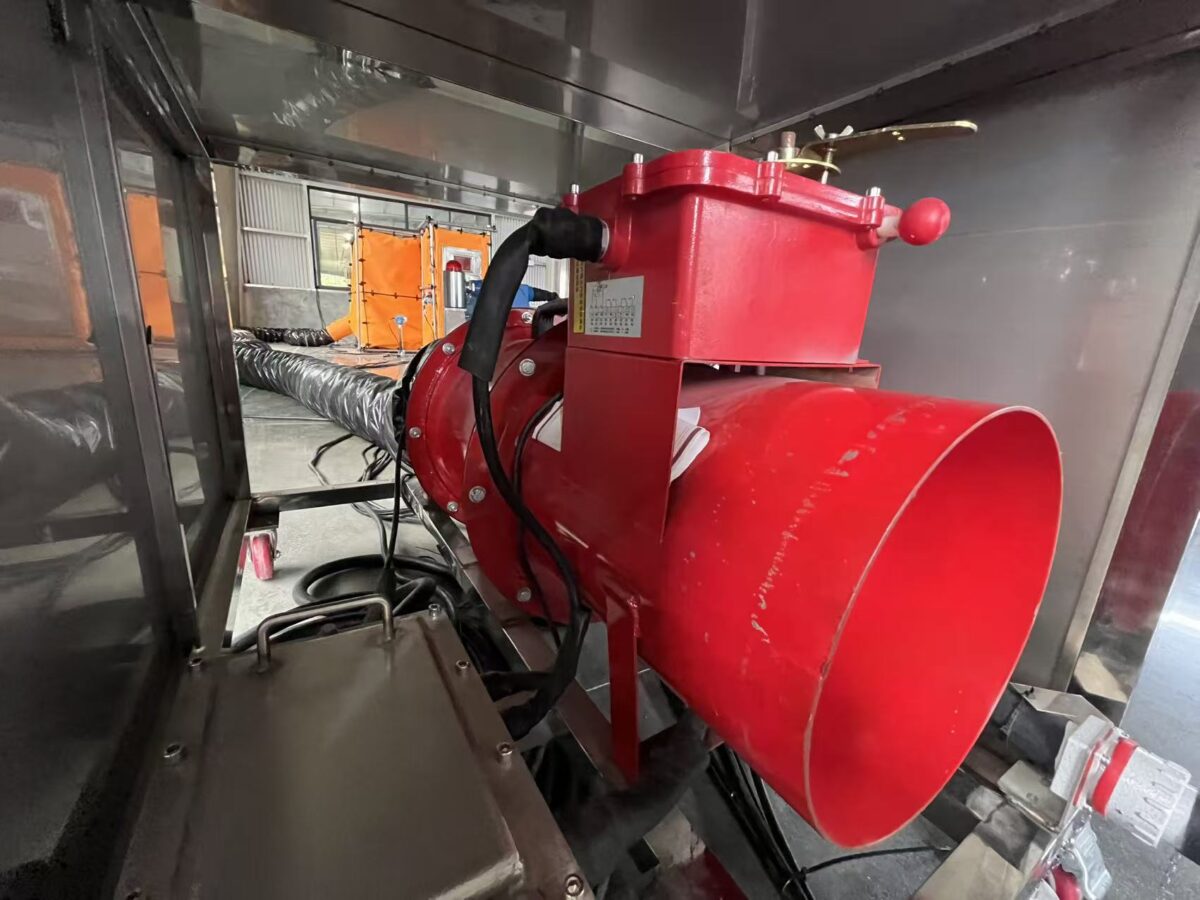
- Ventilation and fume extraction systems
- Environmental control equipment
- Access doors and observation windows
- Lighting and monitoring systems
These components work together to protect welders from external conditions while maintaining a controlled welding environment.
How Welding Habitat Systems Improve Worker Safety
1. Protecting Workers from Wind, Rain, and Extreme Weather
Many welding projects take place outdoors, including:
- Oil and gas pipeline construction
- Offshore platforms
- Shipyards
- Industrial maintenance projects
Weather conditions can create significant risks for welders. Strong wind may blow welding fumes toward workers, affect shielding gas performance, and increase the risk of sparks spreading.
A welding habitat system creates a sealed working area that protects workers from:
- Strong wind
- Rain and moisture
- Dust and sand
- Extreme temperatures
By reducing environmental interference, welding habitats provide a more stable and safer workplace.
2. Reducing Fire Risks During Hot Work Operations
Welding is classified as a hot work activity because it generates:
- High temperatures
- Welding sparks
- Molten metal particles
- Open arcs
In industries such as oil and gas, nearby combustible materials can increase fire risks.
Welding habitat systems use fire-resistant materials to create a protective barrier around the welding area. These materials help:
- Contain welding sparks
- Reduce heat spread
- Protect nearby equipment
- Lower the possibility of accidental fires
This makes welding habitats especially valuable in hazardous environments where fire prevention is a top priority.
3. Controlling Welding Fumes and Improving Air Quality
Welding produces fumes containing fine metal particles and gases that can be harmful when inhaled.
Common welding contaminants include:
- Metal oxides
- Ozone
- Nitrogen oxides
- Other airborne particles
Long-term exposure may affect respiratory health.
A properly designed welding habitat system can integrate ventilation and extraction solutions to:
- Remove welding fumes efficiently
- Improve air circulation
- Reduce worker exposure to harmful substances
Cleaner air contributes to a safer and healthier welding environment.
4. Protecting Welders from Welding Radiation
The welding arc produces intense ultraviolet (UV) and infrared (IR) radiation.
Without proper protection, workers may suffer from:
- Eye injuries
- Skin burns
- Reduced visibility during operations
Welding habitat systems can incorporate protective screens and specialized materials that help block harmful radiation while allowing welders to complete their tasks safely.
This protection is especially important when multiple workers are operating nearby.
5. Creating a Controlled Welding Environment
Welding quality depends heavily on environmental conditions.
Factors such as:
- Wind speed
- Moisture
- Temperature changes
- Dust contamination
can affect welding performance and increase the possibility of defects.
A welding habitat system creates a controlled workspace by maintaining more stable conditions. This not only improves weld quality but also reduces safety risks caused by unexpected environmental changes.
6. Improving Worker Focus and Reducing Workplace Accidents
A well-organized welding environment helps workers focus on their tasks.
Without proper separation, welding activities may expose nearby employees to:
- Flying sparks
- Bright welding arcs
- Heat
- Welding fumes
A welding habitat system clearly separates the welding zone from surrounding operations, helping to:
- Prevent unauthorized access
- Reduce distractions
- Improve workplace organization
- Minimize accident risks
Why Welding Habitat Systems Are Important for Oil and Gas Industries
The oil and gas industry often requires welding work in high-risk locations, such as:
- Offshore platforms
- Refineries
- Pipeline construction sites
- Storage facilities
These environments may contain flammable materials and strict safety requirements.
Welding habitat systems support safer hot work operations by providing:
- Fire-resistant protection
- Environmental isolation
- Improved ventilation
- Better control of welding conditions
For pipeline welding and offshore maintenance, welding habitats are often an essential part of a comprehensive safety management plan.
Key Features to Consider When Choosing a Welding Habitat System

When selecting a welding habitat system, companies should evaluate:
Fire Resistance
The enclosure materials should withstand welding temperatures and protect against sparks and heat.
Common materials include:
- Fiberglass fabrics
- Silicone-coated fiberglass
- Fire-resistant composite materials
Environmental Adaptability
The system should be suitable for different working conditions, including:
- Offshore environments
- Outdoor construction sites
- Extreme weather conditions
Ventilation Performance
Good airflow management is essential to reduce welding fume exposure and maintain worker comfort.
Installation and Mobility
For industrial projects, welding habitats should be:
- Easy to install
- Flexible for different job sites
- Durable for repeated use
Welding Habitat Systems: A Safer Future for Industrial Welding
As industrial welding projects become more complex, worker safety continues to be a major concern. Welding habitat systems provide an effective solution by creating a controlled, protected, and safer welding environment.
By reducing exposure to weather hazards, welding sparks, fumes, and radiation, these systems help companies protect workers while improving welding efficiency and quality.
For industries such as oil and gas, offshore engineering, and pipeline construction, investing in a reliable welding habitat system is not only a safety improvement but also a long-term operational advantage.