
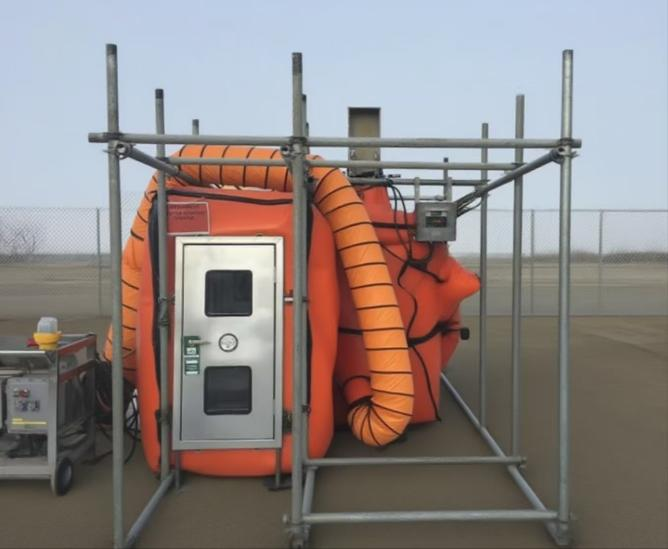
In high-risk industries such as offshore oil platforms, shipyards, and refineries, performing welding and cutting operations safely is a major challenge. This is where welding habitat systems and advanced welding enclosures come into play. These specialized solutions are designed to create a controlled, safe environment for hot work, even in hazardous or explosive atmospheres.
What Is a Welding Habitat System?
A welding habitat system, also known as a hot work habitat system or welding safety enclosure, is a temporary or semi-permanent structure used to isolate hot work activities such as welding, grinding, and cutting. It is typically constructed using flame-retardant materials and supported by a robust frame, creating a sealed workspace that protects both workers and surrounding environments.
These industrial welding shelters are widely used in industries where flammable gases, vapors, or dust are present, making traditional welding operations extremely dangerous.
How Does a Welding Habitat System Work?
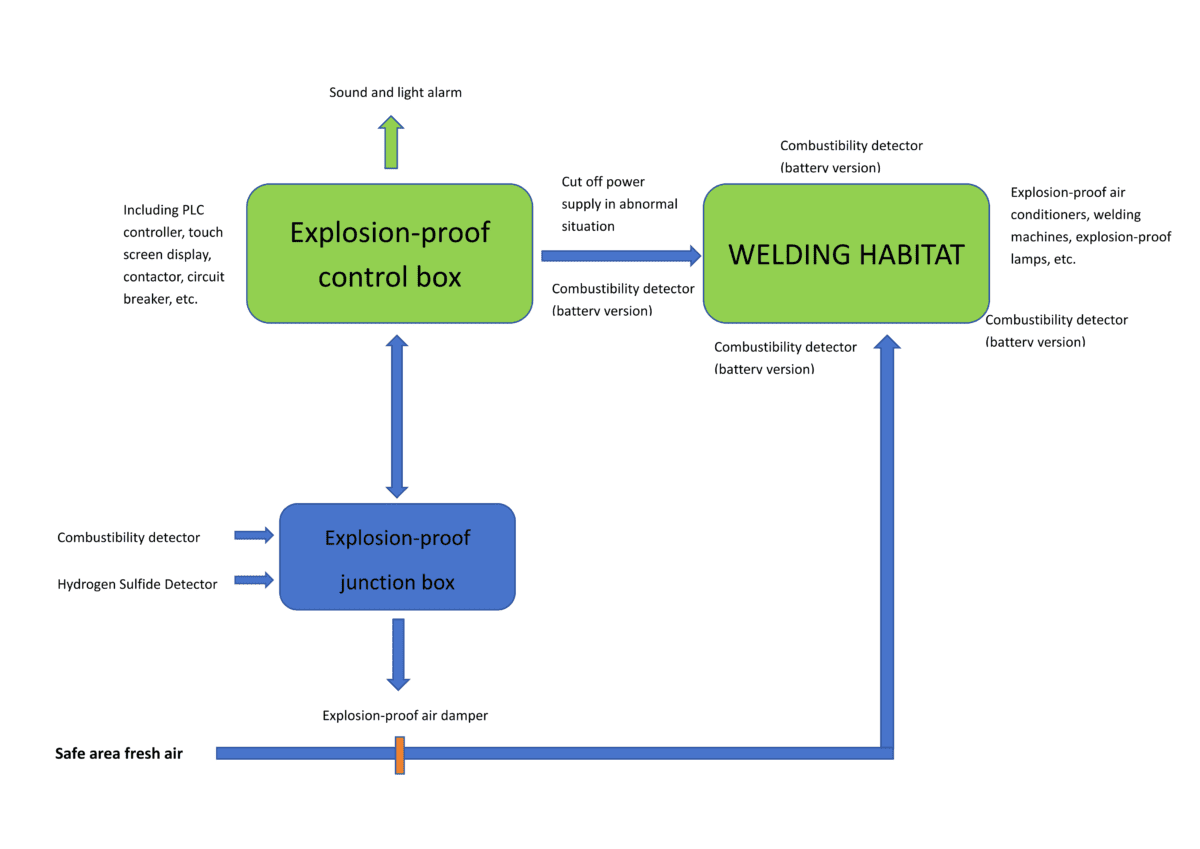
Welding habitat systems function by combining physical isolation with controlled ventilation and environmental monitoring, forming a complete hot work containment system:
- Flame-Resistant Enclosure: Prevents sparks and heat from escaping the work area.
- Ventilation System: Supplies fresh air and removes hazardous fumes and gases.
- Air Filtration: Ensures breathable air quality for workers inside the habitat.
- Gas Detection: Monitors oxygen levels and detects explosive gases.
- Pressure Control: Maintains safe internal pressure to prevent external contamination.
Key Benefits of Welding Habitat Systems
1. Enhanced Safety
The primary purpose of a welding enclosure is to minimize fire and explosion risks. By isolating hot work from hazardous surroundings, these portable welding habitats significantly reduce the likelihood of accidents.
2. Compliance with Safety Regulations
Many international safety standards require controlled environments for hot work in hazardous areas. Hot work habitat systems help companies comply with regulations and avoid costly penalties.
3. Improved Work Efficiency
By creating a stable, weather-protected environment, welding habitat systems allow work to continue even in harsh offshore conditions such as wind, rain, or humidity.
4. Environmental Protection
These hot work containment systems contain sparks, debris, and fumes, preventing environmental contamination and protecting nearby equipment.
Applications of Welding Habitat Systems
Welding habitat systems and welding safety enclosures are essential in a wide range of industries:
- Offshore Oil and Gas Platforms: Safe welding in explosive atmospheres.
- Shipbuilding and Marine Repair: Use of industrial welding shelters for protection against wind and salt exposure.
- Refineries and Chemical Plants: Prevent ignition of flammable substances with hot work containment systems.
- Power Plants: Safe maintenance of critical infrastructure using portable welding habitats.
Choosing the Right Welding Habitat System
When selecting a welding habitat system, consider the following factors:
- Material quality (flame-retardant and heat-resistant fabrics)
- Ease of installation and portability
- Ventilation and air management capabilities
- Compliance with international safety standards
- Durability in harsh environments
Conclusion
Welding habitat systems are a critical solution for ensuring safety and efficiency in hazardous work environments. By providing a controlled, enclosed space for hot work, these welding enclosures protect workers, equipment, and the environment from potential risks.
As industries continue to prioritize safety and regulatory compliance, the demand for advanced hot work habitat systems is expected to grow. Investing in a high-quality system is not just a safety measure—it’s a smart business decision.
Looking for Reliable Welding Habitat Systems?
Contact us today to get customized welding habitat solutions designed for offshore, oil & gas, and industrial applications.