

Introduction
Hot work is an essential activity in many industrial sectors, including oil and gas, petrochemical, shipbuilding, offshore maintenance, power generation, and heavy manufacturing. However, because hot work generates ignition sources such as flames, sparks, and high temperatures, it can create serious fire and explosion risks—especially in hazardous areas where flammable gases or vapors may exist.
A Welding Habitat System provides a controlled and protected working environment that allows welding and other hot work activities to be performed safely without shutting down the entire facility.
What Is Hot Work?
Hot work refers to any operation that produces heat, sparks, flame, or other ignition sources.
Common hot work activities include:
- Welding
- Cutting
- Grinding
- Brazing
- Soldering
- Flame heating
For example:
- Repairing pipelines in oil refineries
- Welding structures on offshore platforms
- Maintaining vessels in shipyards
- Repairing industrial equipment in chemical plants
These operations can generate:
- Welding sparks
- Molten metal particles
- High-temperature surfaces
- Hazardous fumes
Therefore, strict safety controls are required before and during hot work operations.
Why Is Hot Work Dangerous?
1. Risk of Fire and Explosion
The biggest danger of hot work is the possibility of igniting combustible materials or flammable gases.
In industries such as oil and gas, production facilities often contain:
- Hydrocarbon vapors
- Natural gas
- Chemical gases
- Flammable liquids
A small welding spark can become an ignition source if it contacts a combustible atmosphere.
This risk is especially serious in:
- Zone 1 hazardous areas
- Zone 2 hazardous areas
- Offshore platforms
- Refineries
- Chemical plants
A welding habitat creates a controlled workspace that separates the ignition source from the surrounding hazardous environment.
2. Hot Work May Need to Be Performed While the Facility Is Operating
In many industrial projects, shutting down equipment or production is extremely expensive.
For example:
A refinery pipeline requires emergency repair.
Traditional solution:
- Stop production
- Remove hazardous materials
- Gas-free the area
- Perform welding work
However, shutdowns may cause:
- Production losses
- Long maintenance periods
- Increased project costs
A pressurized welding habitat system allows workers to perform hot work in a protected enclosure while surrounding operations continue.
3. Protection Against Hazardous Gas Ingress
A key feature of many welding habitat systems is the positive pressure air system.
The working principle:
Clean filtered air
        ↓
Explosion-proof fan
        ↓
Air duct system
        ↓
Pressurized welding habitat
        ↓
Positive pressure environment
        ↓
Prevent hazardous gases entering
The positive pressure inside the habitat creates a barrier between the welding area and the external environment.
This helps reduce the possibility of:
- Flammable gas entering the workspace
- Formation of explosive mixtures
- Unexpected ignition events
Pressurized habitats are specifically designed for situations where an ignition source must be introduced into a potentially hazardous area.
4. Controlling Welding Sparks and Heat
During welding, thousands of sparks can be produced.
Without protection, sparks may travel to:
- Nearby equipment
- Cables
- Insulation materials
- Flammable substances
A welding habitat enclosure uses specialized fire-resistant materials, such as:
- Silicone-coated fiberglass fabric
- Fire-resistant panels
- Heat-resistant curtains
The enclosure provides:
- Spark containment
- Heat shielding
- Work area separation
5. Improving Worker Safety and Working Conditions
Hot work environments may involve:
- High temperatures
- Welding fumes
- Poor ventilation
- Limited working space
A properly designed habitat system can include:
- Ventilation systems
- Gas monitoring
- Temperature monitoring
- Pressure monitoring
- Emergency alarms
These systems help maintain a safer environment for welding personnel.
Industrial safety regulations also emphasize ventilation, fire prevention measures, inspections, and control systems during hot work operations.
Main Components of a Welding Habitat System
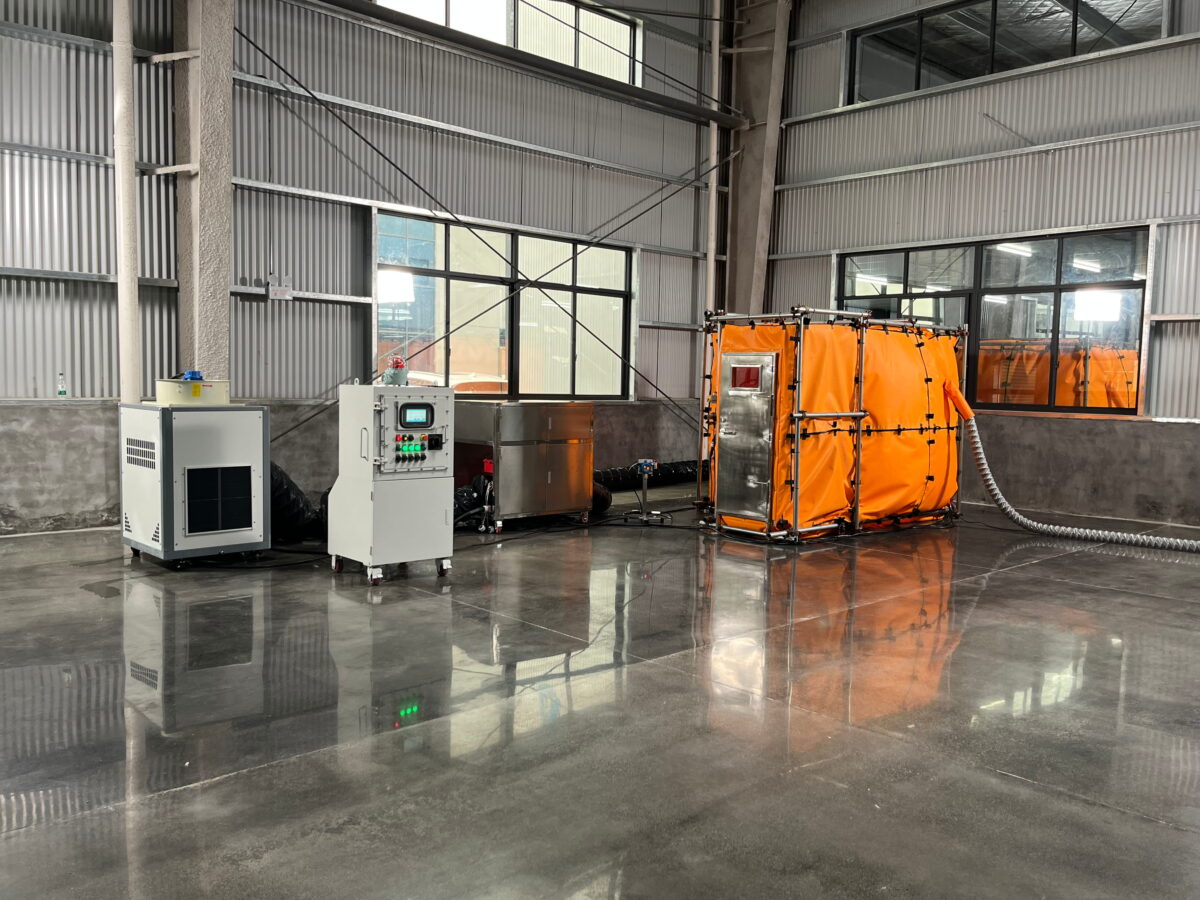
A complete welding habitat system usually includes:
1. Fire-Resistant Habitat Structure
The enclosure provides:
- Physical isolation
- Fire protection
- Spark containment
Typical materials:
- Silicone fiberglass fabric
- Fire-resistant composite panels
2. Positive Pressure Air System
Includes:
- Explosion-proof fan
- Air ducts
- Pressure control equipment
- Filters
Purpose:
- Maintain positive pressure
- Prevent hazardous atmosphere entering
- Provide fresh air circulation
3. Monitoring and Safety System
Depending on project requirements:
- Gas detector
- Pressure monitoring
- Temperature monitoring
- Alarm system
- Emergency shutdown system
Where Are Welding Habitat Systems Used?
Oil & Gas Industry
Applications:
- Offshore platforms
- Refineries
- Pipeline maintenance
Purpose:
Allow hot work without a full shutdown.
Shipbuilding and Ship Repair
Applications:
- Hull repair
- Structural welding
- Marine maintenance
Shipyard hot work requires strict controls because welding operations can create fire hazards in enclosed environments.
Petrochemical Plants
Applications:
- Equipment repair
- Tank maintenance
- Pipe welding
Power Generation
Applications:
- Boiler repair
- Turbine maintenance
- Structural modifications
Welding Habitat vs Traditional Welding Tent
| Feature | Traditional Welding Tent | Welding Habitat System |
|---|---|---|
| Basic spark protection | Yes | Yes |
| Hazardous area application | Limited | Designed for hazardous areas |
| Positive pressure system | Usually no | Yes |
| Gas monitoring | No | Optional/Integrated |
| Explosion-proof equipment | No | Available |
| Oil & gas application | Limited | Suitable |
Conclusion
Hot work is necessary for industrial maintenance and repair, but it introduces significant fire and explosion risks. A Welding Habitat System provides a controlled, isolated, and positively pressurized environment that enables safe welding operations in challenging locations.
For industries where shutdown is costly or impossible—such as oil and gas, offshore facilities, shipyards, and petrochemical plants—a welding habitat system is an effective solution for maintaining safety while keeping critical operations running.
Hot work creates the ignition source. A welding habitat creates the safe environment where that work can happen.