
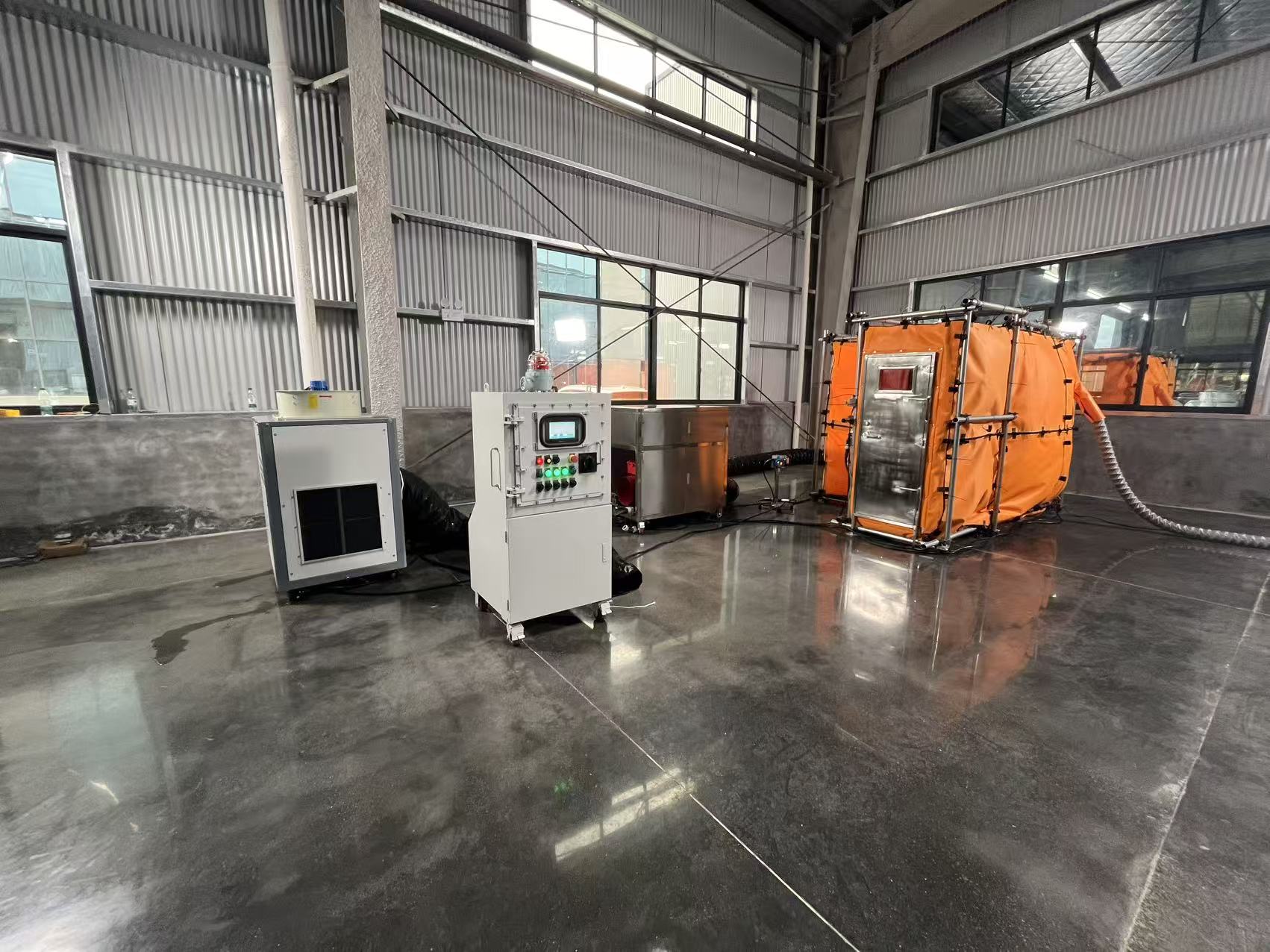
The oil and gas industry operates in some of the most challenging and hazardous environments in the world. From offshore platforms and refineries to pipelines and drilling sites, maintenance and repair work often require welding operations in areas where flammable gases and combustible materials are present.
Because welding generates high temperatures, sparks, and molten metal, traditional open-air welding can create serious safety risks. This is why welding habitat systems have become an essential solution for safe hot work operations in the oil and gas industry.
A professional welding habitat system provides a controlled and protected working environment, helping companies reduce fire risks, improve welding quality, and meet strict industry safety requirements.
What Is a Welding Habitat System?
A welding habitat system is a temporary enclosed structure designed to create a safe environment for welding and other hot work activities.
Unlike ordinary welding tents, industrial welding habitats are engineered specifically for high-risk environments such as:
- Offshore oil and gas platforms
- Pipeline construction and maintenance
- Refineries and petrochemical plants
- Storage tank repairs
- Oilfield equipment maintenance
These systems typically include:
- Fire-resistant materials
- Explosion-resistant designs
- Ventilation systems
- Gas monitoring compatibility
- Modular structures for quick installation
The main purpose is to isolate the welding area from surrounding hazards while allowing workers to perform hot work safely.
Why Are Welding Habitat Systems Important in the Oil and Gas Industry?
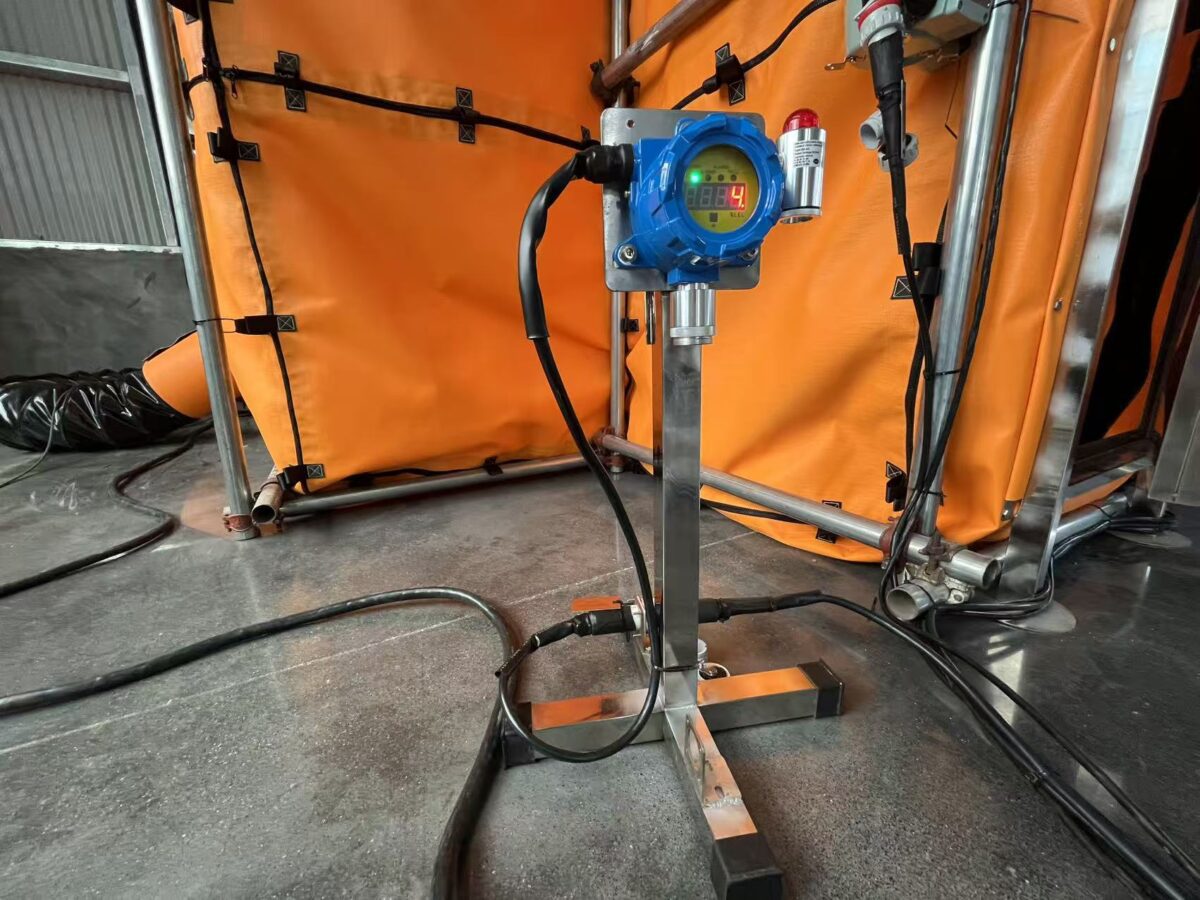
1. Preventing Fire and Explosion Risks During Hot Work
One of the biggest challenges in the oil and gas industry is the presence of flammable substances.
Oil and gas facilities may contain:
- Hydrocarbon vapors
- Natural gas
- Crude oil residues
- Hydrogen sulfide (H₂S)
During welding, sparks and high-temperature particles can travel and ignite nearby combustible materials.
A welding habitat system creates a physical barrier between the welding operation and the surrounding environment. This helps control:
- Welding sparks
- Heat radiation
- Molten metal particles
- Flame exposure
By isolating the hot work area, companies can significantly reduce the possibility of fire and explosion incidents.
2. Supporting Safe Hot Work Permit Procedures
Hot work activities in oil and gas facilities are strictly controlled through safety procedures, including:
- Hot work permits
- Gas testing
- Fire watch monitoring
- Emergency response preparation
A welding habitat system supports these safety procedures by creating a defined and controlled work zone.
Before welding begins, workers can perform necessary safety checks, including:
- Gas concentration testing
- Ventilation assessment
- Equipment inspection
This makes the entire hot work process more organized and compliant with industrial safety standards.
3. Improving Welding Quality in Harsh Environments
Oil and gas projects are often located in extreme conditions, including:
- Offshore environments
- Strong winds
- Heavy rain
- Dusty areas
- Cold climates
Environmental factors can negatively affect welding performance and weld quality.
A welding habitat system helps provide a stable working environment by protecting welding operations from:
- Wind interference
- Moisture
- Dust contamination
- Temperature fluctuations
As a result, welders can achieve more consistent and reliable welding results.
Common Applications of Welding Habitat Systems in Oil and Gas Projects

Offshore Oil Platforms
Offshore platforms require frequent maintenance due to continuous exposure to seawater, corrosion, and harsh weather.
Welding habitat systems are widely used for:
- Pipe repairs
- Structural welding
- Equipment maintenance
- Platform modification projects
They allow workers to perform hot work safely in areas surrounded by complex oil and gas equipment.
Pipeline Construction and Maintenance
Thousands of kilometers of oil and gas pipelines require regular inspection and repair.
During pipeline welding operations, welding habitats help:
- Protect welding areas from weather conditions
- Improve weld consistency
- Reduce safety risks near hydrocarbon pipelines
This is especially important for remote pipeline projects where environmental protection and worker safety are major concerns.
Refineries and Petrochemical Facilities
Refineries contain large amounts of flammable materials and complex processing equipment.
When maintenance requires welding near operational equipment, welding habitat systems provide an additional safety layer by separating hot work from hazardous areas.
Key Features of a Professional Welding Habitat System
A reliable welding habitat system for the oil and gas industry should include:
Fire-Resistant Construction
The materials used must withstand high temperatures and welding sparks to prevent fire propagation.
Explosion Prevention Design
The system should support safe operation in hazardous areas by reducing the possibility of ignition sources contacting flammable gases.
Efficient Ventilation
Proper airflow helps remove welding fumes and maintain a safer working environment.
Fast Installation and Mobility
Oil and gas maintenance projects often require rapid deployment. Modular welding habitats allow companies to quickly create safe working spaces in different locations.
The Future Importance of Welding Habitat Systems in Oil and Gas Safety
As global energy infrastructure continues to age, maintenance and repair activities will remain essential. At the same time, oil and gas companies are placing greater emphasis on:
- Worker safety
- Environmental protection
- Accident prevention
- Operational efficiency
Welding habitat systems will continue to play an important role in supporting safer hot work operations across offshore platforms, pipelines, and industrial facilities.
Conclusion
The oil and gas industry requires welding habitat systems because they provide a safer, controlled environment for hot work operations in hazardous locations.
By reducing fire and explosion risks, improving welding quality, and supporting strict safety procedures, welding habitat systems have become a valuable solution for modern oil and gas maintenance projects.
For companies involved in offshore engineering, pipeline construction, and petrochemical maintenance, investing in reliable welding habitat solutions is an important step toward safer and more efficient operations.