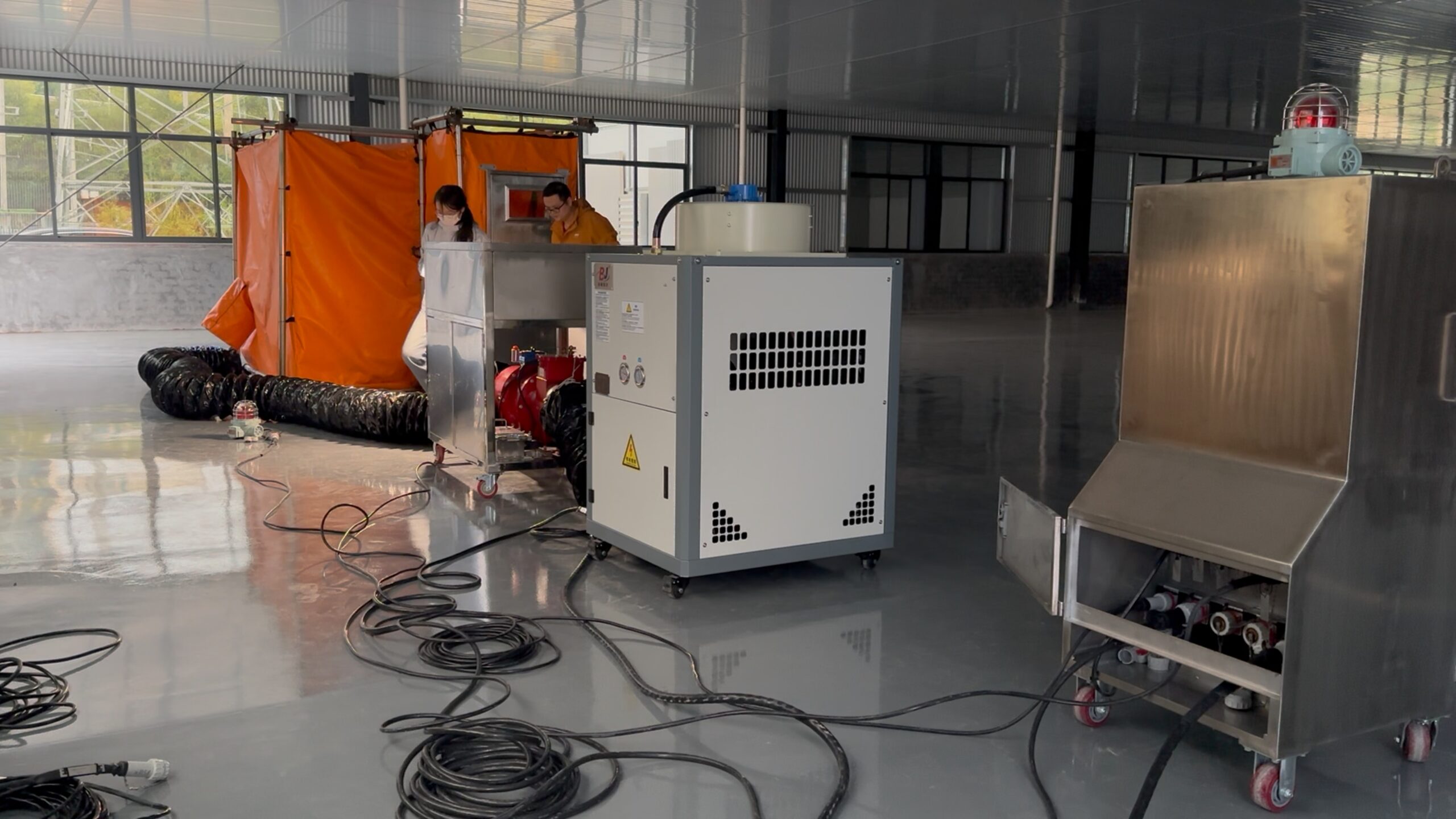
A welding habitat system, also called a pressurized welding habitat or hot work habitat, is designed to create a safer working area for welding, grinding, cutting, and other hot work operations. It is especially important in offshore platforms, oil and gas facilities, petrochemical plants, shipyards, and other hazardous environments where sparks, heat, flammable gas, or combustible materials may create serious risks.
Choosing the right welding habitat is not only about price. A reliable system should help control fire risk, isolate hot work, maintain a safer internal atmosphere, and support site safety procedures. OSHA hot work guidance also emphasizes controlling heat, sparks, slag, flammable materials, and fire watch requirements during welding and cutting operations.
1. Check the Application Environment First
Before selecting a welding habitat, buyers should clearly define where and how the system will be used. A habitat for offshore oil and gas maintenance may require a higher safety level than a general workshop enclosure.
Key questions include:
- Will the work be done in a hazardous area?
- Is the site classified as Zone 1 or Zone 2?
- Is there a risk of flammable gas, vapor, dust, or toxic atmosphere?
- Will the habitat be used indoors, outdoors, offshore, or in confined spaces?
- What type of hot work will be performed: welding, grinding, cutting, or torch work?
For hazardous environments, a positive pressure welding habitat is usually preferred because it helps prevent external hazardous gas from entering the enclosure. Some commercial systems are designed for Zone 1 and Zone 2 hazardous areas and use pressurization as a key protection method.
2. Choose a Pressurized Welding Habitat for Hazardous Areas
A pressurized welding habitat maintains positive pressure inside the enclosure. This means the internal air pressure is kept higher than the outside environment, helping block flammable or hazardous gases from entering the work zone.
A good pressurized welding habitat should include:
- Positive pressure control system
- Air supply or ventilation system
- Gas detection and alarm system
- Emergency shutdown function
- Pressure monitoring
- Clear operating procedures
Some ATEX welding habitat systems combine pressurization, gas detection, alarm control, and automatic shutdown to support safer hot work in hazardous locations.
3. Confirm Certifications and Compliance
For B2B buyers, certifications are one of the most important selection standards. They show whether the system is suitable for professional industrial use.
Common certifications and standards to consider include:
- ATEX: Important for equipment used in explosive atmospheres
- IECEx: International certification for explosive atmosphere equipment
- UL: Often used for material or product safety evaluation
- FM 4950: Related to welding curtains, blankets, and screens
- NFPA 51B: Fire prevention guidance for welding, cutting, and other hot work
- ISO 9001: Quality management system certification
NFPA 51B focuses on preventing injury, loss of life, and property loss from fire or explosion during hot work activities.
For offshore, oil and gas, or petrochemical projects, buyers should not only ask whether the supplier “has certification.” They should request copies of certificates, test reports, and scope details to confirm whether the certification applies to the complete system, fabric material, control unit, or specific components.
4. Evaluate the Fireproof and Heat-Resistant Materials
The enclosure fabric is the physical barrier between the welding operation and the surrounding environment. It should resist sparks, slag, heat, and flame spread.
Common material options include:
- Silicone-coated fiberglass fabric
- High-silica fabric
- Fire-retardant coated fabric
- Multi-layer heat-resistant composite panels
When choosing the material, consider:
- Temperature resistance
- Flame retardant performance
- Tear strength
- Abrasion resistance
- Flexibility for installation
- Smoke and fume containment ability
- Outdoor weather resistance
For frequent offshore or industrial use, a stronger coated fiberglass or high-silica fabric structure may offer better durability than low-cost basic materials.
5. Make Sure the Size and Structure Are Customizable
A welding habitat should fit the actual job site. If the structure is too small, workers may not have enough operating space. If it is too large, it may be harder to maintain pressure and control airflow efficiently.
Important customization options include:
- Length, width, and height
- Door and window position
- Viewing window design
- Ventilation interface
- Cable and hose access ports
- Frame structure
- Modular panel connection
- Hanging or floor-standing installation
For large industrial buyers, modular design is especially useful. It allows the welding habitat to be assembled, removed, transported, and reused in different project locations.
6. Check the Gas Detection and Alarm System
For hazardous areas, the gas detection system is one of the most critical parts of the welding habitat. It should continuously monitor the atmosphere around or inside the work area.
A professional system may include:
- Multi-gas detection
- Remote gas detectors
- Visual and audible alarms
- Automatic shutdown
- Integration with site safety systems
- Adjustable alarm settings
Some welding habitat systems support multiple remote gas detectors so they can be placed near ignition sources, leak-prone areas, and active work zones.
7. Consider Installation Efficiency
In real projects, downtime is expensive. A good welding habitat should be easy to transport, install, inspect, and remove.
Buyers should check:
- How many workers are needed for installation
- Whether tools are required
- Whether the frame is lightweight but strong
- Whether the panels are clearly labeled
- Whether the system can be reused
- Whether installation manuals or videos are available
- Whether the supplier provides technical support
A reusable and modular welding habitat can reduce long-term project costs, especially for contractors working on repeated maintenance projects.
8. Review Safety Documentation
A professional supplier should provide complete technical and safety documentation. This is especially important for large engineering projects, offshore work, and third-party inspection.
Useful documents include:
- Product specification sheet
- Material test report
- Certification documents
- Installation manual
- Operation manual
- Maintenance guide
- Risk assessment support documents
- Packing list
- Quality inspection report
If the supplier cannot provide clear documentation, buyers should be cautious.
9. Compare Supplier Manufacturing Capability
The quality of a welding habitat depends not only on design but also on manufacturing control. For B2B procurement, supplier capability directly affects delivery time, customization ability, and after-sales support.
A reliable supplier should have:
- Experienced engineering team
- Fabric cutting and sewing capability
- Coating material knowledge
- Frame and accessory supply chain
- Quality inspection process
- Custom size production ability
- Export packaging experience
- Project communication support
For customized welding habitat systems, buyers should choose a manufacturer that can support drawings, material selection, size adjustment, logo customization, and technical confirmation before production.
10. Do Not Choose Only by the Lowest Price
A low-cost welding habitat may look attractive at first, but it can create higher risks if the material, pressure system, certification, or gas detection function is not reliable.
When comparing prices, buyers should check:
- Is the system pressurized or only a simple enclosure?
- Are the materials flame-retardant and heat-resistant?
- Are certifications real and applicable?
- Is the gas detection system included?
- Is the frame strong enough for the working site?
- Is the product reusable?
- Is technical support available?
The best choice is not always the cheapest option. It is the system that offers the right balance of safety, compliance, durability, customization, and total project value.
Conclusion
Choosing the right welding habitat system requires a full review of the working environment, safety requirements, certification level, material performance, pressurization system, gas detection function, size customization, and supplier capability.
For hazardous hot work in oil and gas, offshore, petrochemical, and industrial maintenance projects, a certified pressurized welding habitat can provide a controlled working area and help reduce fire and explosion risks. Buyers should focus on verified certifications, reliable materials, professional engineering support, and complete documentation rather than simply comparing the lowest price.
A high-quality welding habitat is not just a temporary enclosure. It is an important safety solution for protecting workers, equipment, and industrial operations.