
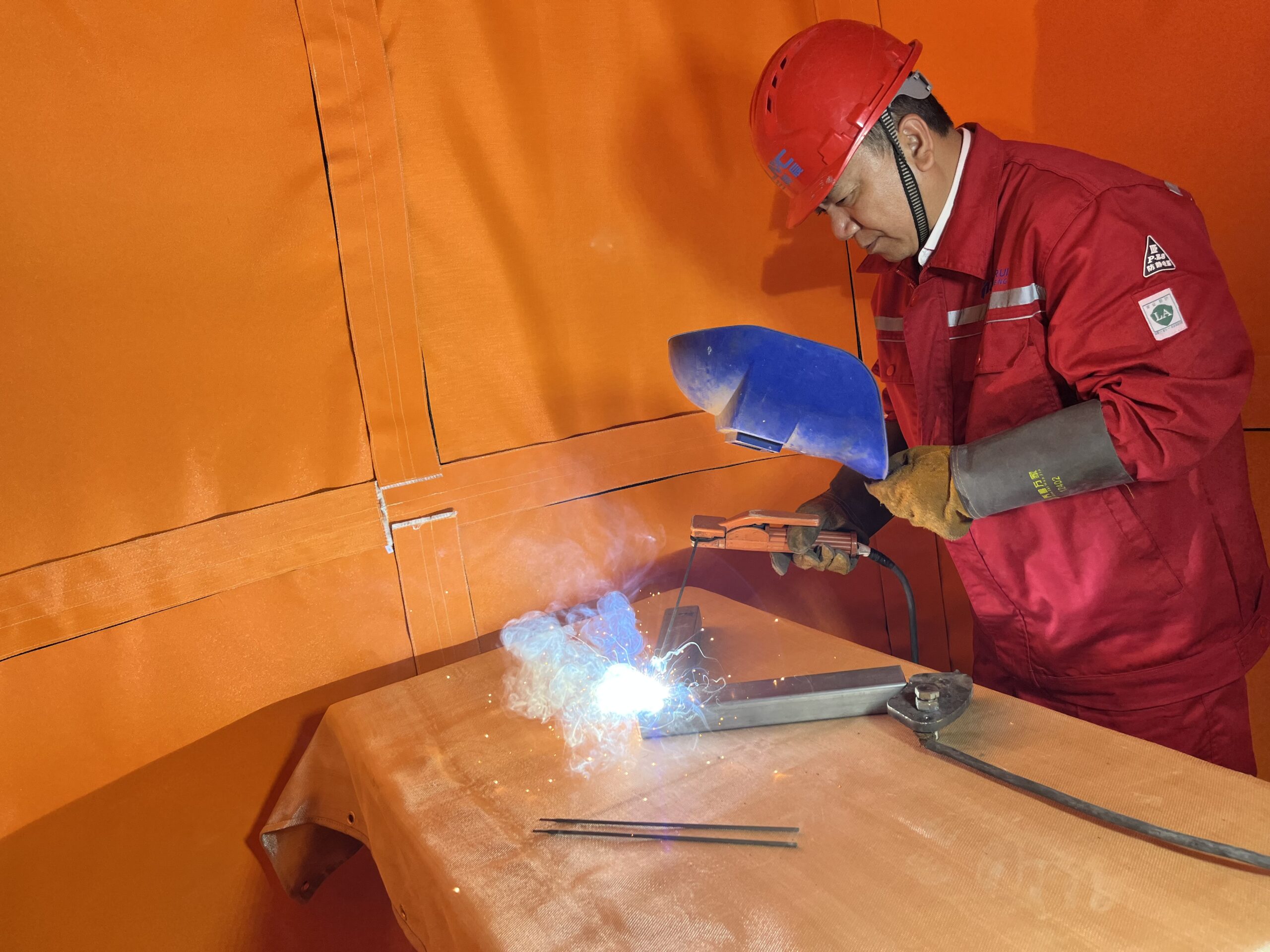
Recent industrial fire and explosion incidents continue to show how dangerous welding, cutting, grinding, and other hot work can be when performed near combustible materials, flammable vapors, or confined workspaces.
In April 2026, a railway coach fire in Mumbai was reportedly triggered by welding sparks during maintenance work. The fire damaged around 70% of the coach roof, and authorities launched an inquiry into whether proper safety protocols were followed. In another widely reported case, the 2024 Istanbul nightclub fire, which killed 29 people, was believed by Turkish media and officials to have started when welding sparks ignited combustible renovation materials.
These incidents highlight one clear message: hot work is never a small risk, especially in enclosed, industrial, offshore, petrochemical, or hazardous environments.
Hot Work Can Create Fire and Explosion Risks
According to NFPA guidance, hot work includes welding, cutting, brazing, grinding, and similar operations that generate flame, sparks, or heat. These activities can bring together the three elements of the fire triangle: oxygen, fuel, and an ignition source. OSHA also warns that hot work in enclosed spaces can create risks such as fire, explosion, toxic gases, metal fumes, and hazardous airborne vapors.
This is why ordinary welding protection is often not enough in high-risk areas. In oil and gas facilities, petrochemical plants, offshore platforms, shipyards, and industrial maintenance sites, a single spark can ignite vapors, coatings, insulation, dust, or hidden combustible materials.
What Is a Pressurized Welding Enclosure?
A pressurized welding enclosure, also called a pressurized welding habitat or hot work enclosure, is a portable safety structure designed to create a controlled work zone around welding or other hot work activities.
It normally uses flame-retardant panels, sealed access points, ventilation, pressure control, gas detection, and emergency shutdown systems. The positive pressure inside the enclosure helps prevent flammable gases or vapors from entering the work area. Some certified systems are designed for hazardous Zone 1 and Zone 2 environments, especially in offshore and petrochemical applications.
Why Pressurized Welding Enclosures Are Important
1. They Help Isolate Sparks and Heat
Welding sparks can travel and ignite combustible materials nearby. A pressurized welding enclosure creates a physical barrier between the hot work area and surrounding equipment, insulation, cables, coatings, or flammable materials. This helps reduce the chance of a small welding spark becoming a major fire.
2. They Reduce Flammable Gas Entry
In hazardous industrial areas, invisible vapors or gases may exist near pipelines, tanks, valves, production modules, or offshore decks. A positive-pressure enclosure helps keep outside gases from entering the welding zone. This is especially important where shutdowns are difficult, expensive, or operationally disruptive.
3. They Support Safer Hot Work in Hazardous Areas
OSHA states that hot work should not be performed in confined spaces until a qualified person has tested the atmosphere and confirmed it is not hazardous. A pressurized welding enclosure adds another layer of protection by combining atmosphere control, enclosure isolation, and monitoring systems.
4. They Improve Project Continuity
In many oil, gas, marine, and chemical facilities, shutting down an entire production area for welding maintenance can be costly. A properly designed pressurized welding enclosure can allow controlled hot work to be performed more safely, helping reduce downtime while maintaining safety standards.
5. They Strengthen Compliance and Buyer Confidence
For B2B buyers, especially in offshore, energy, shipbuilding, and petrochemical sectors, safety certification is a key purchasing factor. Enclosures designed with ATEX, IECEx, UL, or other recognized safety requirements help customers demonstrate a stronger approach to risk control, site safety, and contractor management.
Key Features Buyers Should Look For
A reliable pressurized welding enclosure should include:
- Flame-retardant and heat-resistant enclosure panels
- Positive pressure control system
- Gas detection and continuous atmosphere monitoring
- Emergency shutdown function
- Modular and customizable structure
- Clear viewing windows and safe access points
- Compatibility with offshore, petrochemical, and industrial maintenance sites
- Certification support such as ATEX, IECEx, UL, or third-party inspection options
Conclusion
Recent welding-related fire incidents prove that hot work safety cannot rely only on basic PPE or manual fire watch. In hazardous industrial environments, companies need stronger engineering controls.
A pressurized welding enclosure provides a safer, controlled, and isolated workspace for welding, cutting, grinding, and maintenance operations. It helps reduce fire and explosion risks, protects workers, supports compliance, and improves operational continuity.
For oil and gas platforms, petrochemical plants, shipyards, and industrial maintenance projects, investing in a certified pressurized welding enclosure is not just a safety upgrade. It is an essential part of modern hot work risk management.