
For project managers in oil and gas, shipbuilding, offshore platforms, petrochemical plants, power stations, and industrial maintenance projects, hot work safety is more than a technical requirement. It directly affects project schedules, HSE compliance, site productivity, and overall project risk.
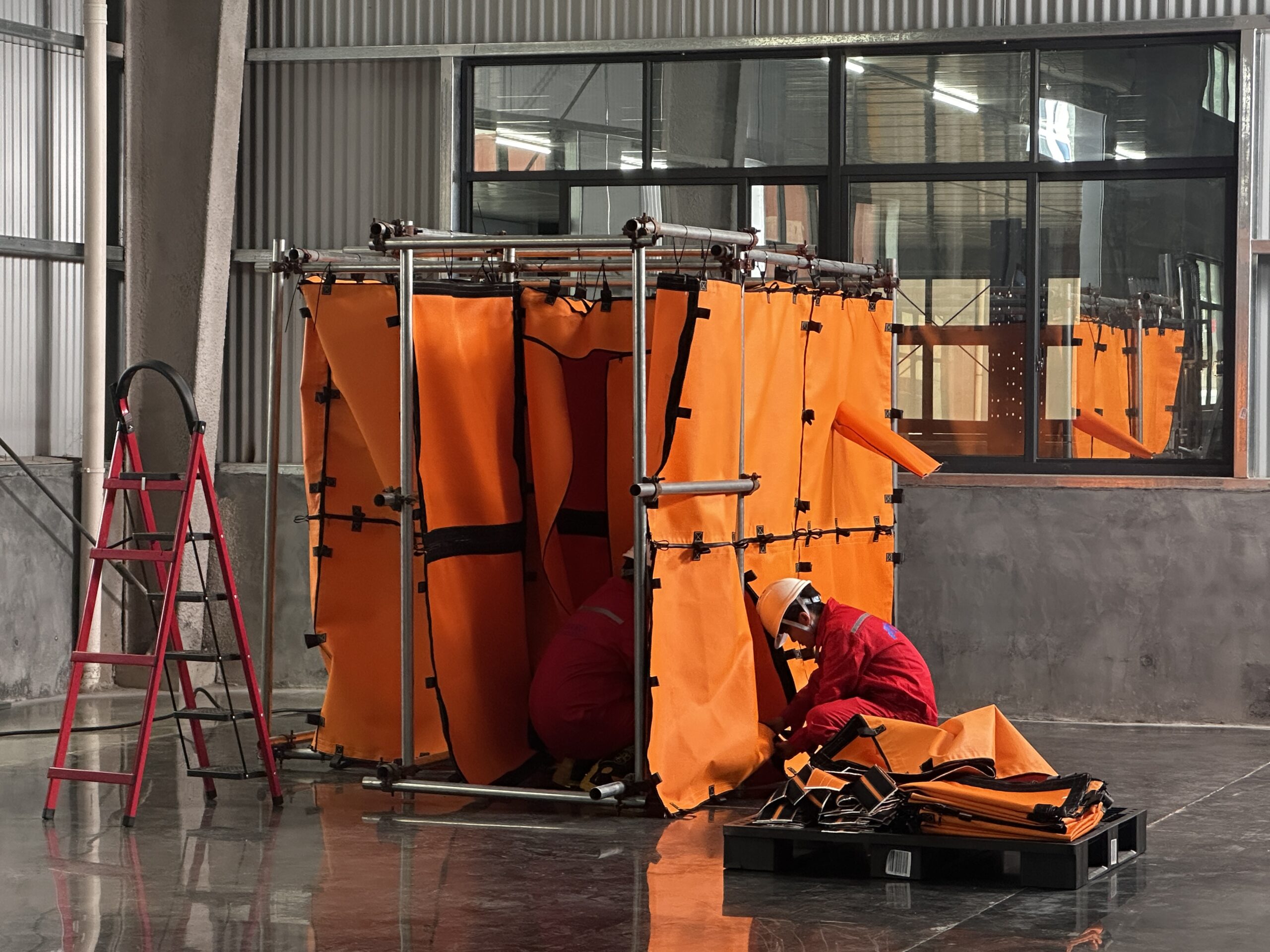
A welding habitat system provides a controlled enclosure for welding, cutting, grinding, and other hot work activities. By isolating sparks, heat, welding spatter, and fire risks from the surrounding environment, the system helps project managers carry out hot work more safely and efficiently in high-risk industrial areas.
What Is a Welding Habitat System?
A welding habitat system, also called a pressurized welding enclosure, hot work habitat, or welding safety enclosure, is a temporary or modular structure designed to create a safer working area for welding operations.
It usually includes:
- Fire-resistant fabric panels
- A stable frame structure
- Sealed or semi-sealed enclosure design
- Ventilation or air supply options
- Observation windows or access doors
- Optional pressure control and gas monitoring support
The purpose is to separate the welding area from flammable gases, vapors, equipment, workers, and surrounding production zones. For project managers, this means better control over hot work activities and fewer disruptions to the wider project site.
Why Project Managers Care About Welding Habitat Systems
Project managers are responsible for balancing safety, cost, delivery time, and site coordination. A welding habitat system is valuable because it supports all of these priorities.
1. Supporting HSE Compliance
HSE requirements are one of the most important concerns in industrial projects. Hot work can create serious risks, especially in oil and gas facilities, offshore platforms, refineries, chemical plants, and confined spaces.
A properly designed welding habitat system helps reduce risks from:
- Welding sparks
- High-temperature spatter
- Open flame exposure
- Heat transfer
- Flammable gas environments
- Uncontrolled hot work areas
For project managers, this helps demonstrate that the project has a structured safety control method for welding operations.
2. Reducing Project Delays
Unexpected hot work restrictions can delay an entire project schedule. In some industrial sites, welding work cannot begin until the work area is isolated and approved by the HSE team.
A modular welding habitat system can help speed up this process by providing a ready-to-use controlled work zone. Fast installation, clear enclosure design, and reusable structure help project teams reduce waiting time and keep construction or maintenance work on schedule.
3. Improving Site Coordination
Large industrial projects often involve many teams working at the same time. Welding work may take place close to equipment, pipelines, electrical systems, storage areas, or other workers.
A welding habitat enclosure helps define a clear and controlled work area. This makes it easier for project managers to coordinate between welding teams, safety officers, supervisors, and other contractors on site.
4. Adapting to Different Project Conditions
No two project sites are exactly the same. Some projects require welding inside narrow spaces, while others need larger enclosures for equipment maintenance or pipeline welding.
A good welding habitat system should support customization, including:
- Different sizes
- Different shapes
- Modular panel layout
- Fire-resistant fabric options
- Access door design
- Ventilation configuration
- Project-specific frame structure
For project managers, customization is important because the system must match the actual site layout instead of forcing the site team to adjust around a fixed design.
5. Controlling Project Risk
Project risk is not only about fire accidents. It also includes delayed approval, failed inspections, supplier delays, poor material quality, difficult installation, and lack of technical support.
A reliable welding habitat supplier should provide:
- Technical drawings
- Material specifications
- Installation guidance
- Fire-resistant fabric information
- Customization support
- Production schedule control
- After-sales communication
This helps project managers reduce procurement uncertainty and improve project execution.
Key Features Project Managers Should Look For
When choosing a welding habitat system, project managers should not focus only on price. The real value comes from safety performance, installation efficiency, and supplier reliability.
Important features include:
Fire-Resistant Panel Materials
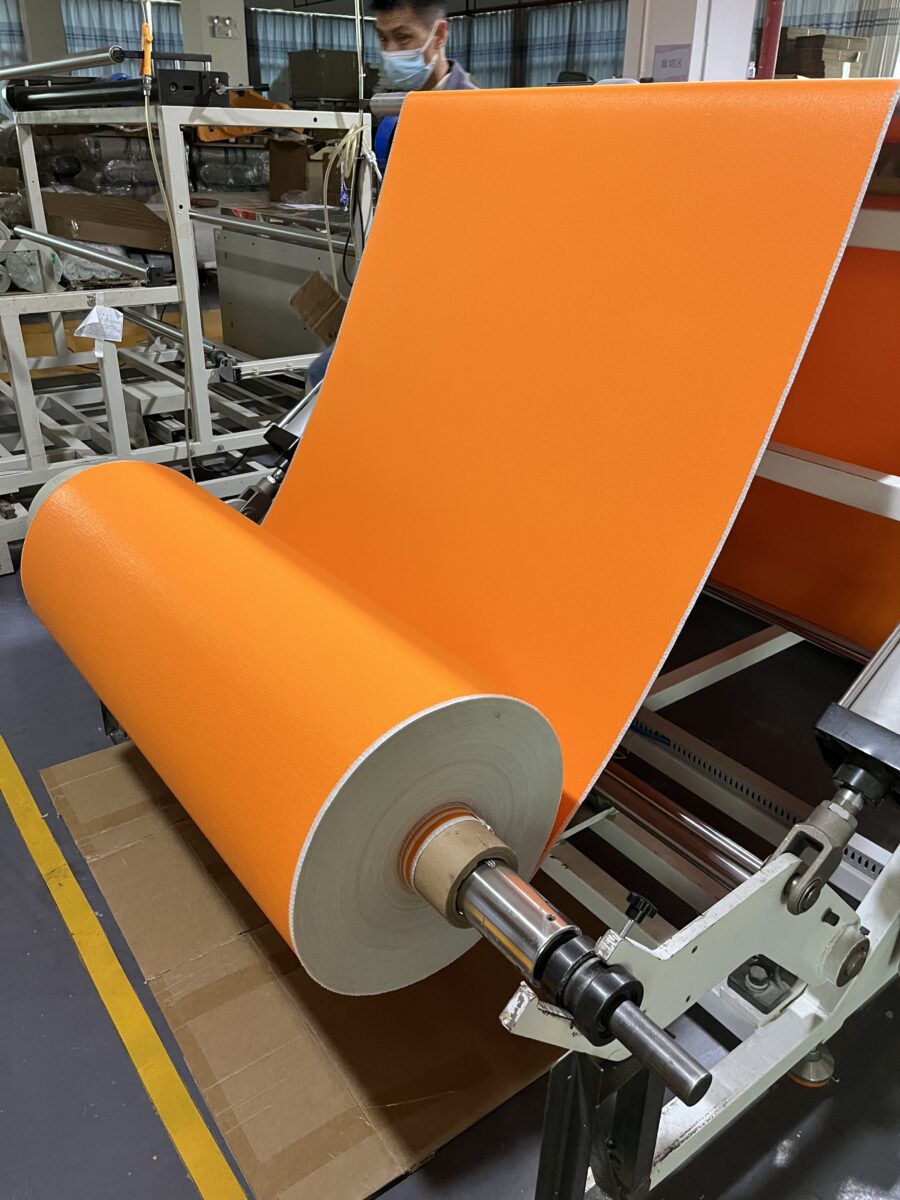
The enclosure panels should be made from fire-resistant and heat-resistant materials, such as silicone coated fiberglass fabric or other industrial fireproof fabrics. These materials help block sparks, heat, and welding spatter during hot work operations.
Modular Structure
A modular welding habitat system is easier to transport, install, dismantle, and reuse. This is especially useful for projects with multiple welding points or changing site conditions.
Custom Size and Layout
Project managers should choose a supplier that can customize the size and structure according to the job site. This helps improve installation efficiency and site compatibility.
Stable Frame Design
The frame structure should be strong enough for industrial site use. A stable frame helps maintain enclosure shape and supports safer operation during welding work.
Ventilation and Pressure Options
For some high-risk environments, ventilation or pressurized enclosure design may be required. These options help improve air control inside the habitat and support safer hot work conditions.
Documentation Support
Project managers often need documents for internal approval, HSE review, procurement records, and client communication. A professional supplier should be able to provide clear product information and technical support.
Applications of Welding Habitat Systems
Welding habitat systems are widely used in demanding industrial environments, including:
- Oil and gas projects
- Offshore platforms
- Petrochemical plants
- Refineries
- Shipyards
- Power plants
- Pipeline construction
- Industrial equipment maintenance
- Chemical processing facilities
- Confined space welding projects
In these environments, welding work often needs strict safety control. A welding habitat system provides a practical way to isolate the hot work area and support safer project execution.
Why Silicone Coated Fiberglass Fabric Is Used in Welding Habitat Panels
Silicone coated fiberglass fabric is commonly used for welding habitat panels because it combines heat resistance, fire resistance, flexibility, and durability.
Its advantages include:
- Good resistance to welding sparks and spatter
- Strong heat-resistant performance
- Flexible structure for panel fabrication
- Suitable for repeated folding and installation
- Good surface protection against industrial environments
- Customizable thickness, color, and coating options
For project managers, this material helps improve the reliability of the enclosure and supports long-term project use.
How Welding Habitat Systems Help Project Managers
A welding habitat system helps project managers achieve several important goals:
- Improve hot work safety
- Support HSE compliance
- Reduce fire and spark-related risks
- Shorten preparation time before welding
- Improve site coordination
- Support customized project requirements
- Reduce downtime and project delays
- Improve procurement and delivery control
Instead of treating welding protection as a simple accessory, project managers can use welding habitat systems as part of a complete hot work risk management strategy.
Choosing the Right Welding Habitat Supplier
A good supplier should understand both product manufacturing and project requirements. For project managers, the supplier should be able to provide more than just fabric or frame parts.
Key supplier capabilities include:
- Fire-resistant fabric production
- Welding habitat system design
- Custom size and structure support
- OEM and project-based manufacturing
- Quality inspection during production
- Stable bulk order capacity
- Technical document support
- Fast response for project communication
Choosing the right supplier helps project managers reduce communication costs and improve confidence in project delivery.
Conclusion
For project managers, a welding habitat system is not just a temporary enclosure. It is a practical safety solution that supports HSE compliance, hot work control, project schedule management, and site risk reduction.
A well-designed welding habitat system can help isolate welding hazards, improve site coordination, and keep industrial projects moving forward safely. When combined with fire-resistant materials, modular structure, and professional supplier support, it becomes an important part of safer and more efficient project execution.
If your project involves welding, cutting, grinding, or other hot work in high-risk industrial environments, choosing a reliable welding habitat system can help protect workers, control risks, and support successful project delivery.