
Introduction
Hot work in hazardous areas requires strict control of ignition sources, flammable gases, and the surrounding work environment. In industries such as oil and gas, petrochemical processing, offshore maintenance, LNG facilities, and refineries, welding, grinding, cutting, and other spark-producing activities may create serious safety risks if combustible gases enter the work zone.
A positive pressure welding habitat is designed to create a controlled enclosure around the hot work area. By maintaining the internal pressure higher than the surrounding atmosphere, the system helps prevent external gas, vapor, and contaminants from entering the habitat. This makes it an important safety solution for temporary hot work in Zone 1, Zone 2, and other hazardous industrial environments.
What Is a Positive Pressure Welding Habitat?
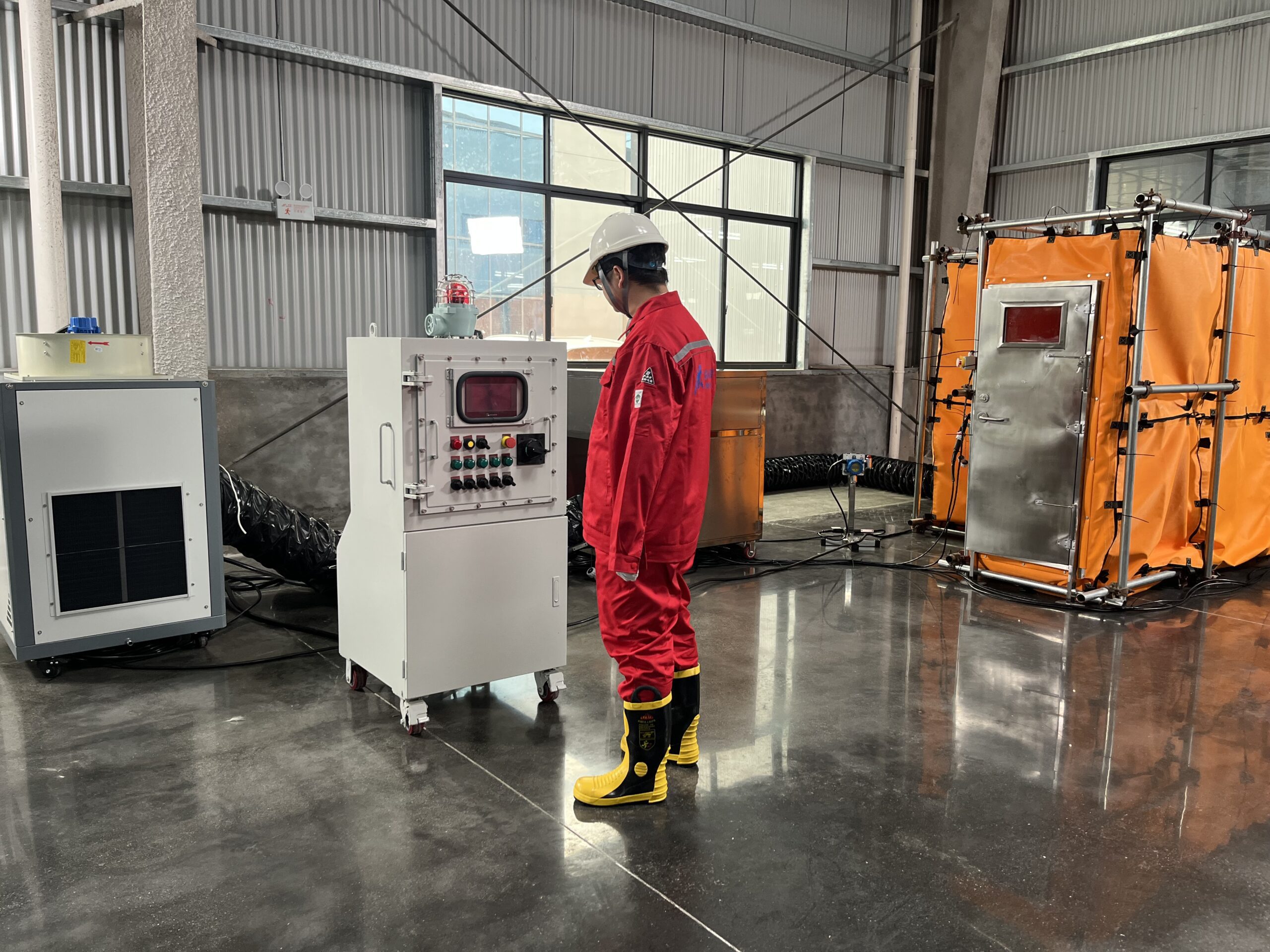
A positive pressure welding habitat is a temporary or modular enclosure used to isolate a welding or hot work area from the surrounding hazardous environment. It is normally built with fire-resistant panels, sealed access points, ventilation equipment, pressure control devices, and gas monitoring systems.
Unlike a simple welding tent or welding screen, a positive pressure welding habitat is not only used to block sparks. Its main function is to create a safer working atmosphere inside the enclosure by controlling airflow, pressure, and gas detection.
The system usually includes:
- Fire-resistant wall and roof panels
- A supporting frame structure
- Sealed doors or access openings
- Air supply or ventilation units
- Pressure monitoring devices
- Gas detection and alarm systems
- Cable and hose entry sealing
- Emergency shutdown or alarm functions
Together, these components help maintain a controlled internal environment for welding, cutting, grinding, and related hot work tasks.
How Positive Pressure Prevents Gas Ingress
The working principle of a positive pressure welding habitat is simple but highly effective. Clean air is supplied into the enclosure continuously, creating an internal pressure that is slightly higher than the surrounding atmosphere. Because air naturally flows from high pressure to low pressure, the airflow moves outward through small gaps instead of allowing external gas to move inward.
This outward airflow forms an invisible barrier against gas ingress.
When the habitat is properly sealed and pressurized, flammable gases or vapors outside the enclosure are less likely to enter the hot work zone. This is especially important in areas where hydrocarbon gases, chemical vapors, or other explosive atmospheres may be present.
In practical terms, the positive pressure system works in three steps:
- Clean air is introduced into the habitat.
A ventilation or air supply unit delivers clean air into the enclosure before and during hot work. - Internal pressure is maintained above external pressure.
The pressure control system keeps the habitat under positive pressure, reducing the chance of outside gas entering the work area. - Air leakage moves outward, not inward.
If small gaps exist around doors, panels, cable entries, or seams, the airflow is pushed outward, helping block external hazardous gases.
This pressure difference is the core reason why positive pressure welding habitats are widely used for hazardous area hot work.
Why Gas Ingress Is Dangerous During Hot Work
Hot work can produce sparks, heat, arcs, molten metal, and other ignition sources. If flammable gas or vapor enters the welding area, it may create a fire or explosion risk. This is why gas ingress control is a critical part of hot work safety.
Common gas ingress risks include:
- Hydrocarbon gases near offshore platforms
- Flammable vapors in refineries
- Chemical gases in processing plants
- Gas leakage around pipelines, valves, or flanges
- Vapor release near tanks or confined spaces
- Combustible atmosphere caused by maintenance activities
A welding habitat helps reduce these risks by separating the hot work area from the surrounding hazardous environment. However, the habitat must be correctly designed, installed, monitored, and operated to achieve effective protection.
Key Components That Help Stop Gas Ingress
Find out about all the accessories for welding habitat
1. Sealed Habitat Panels
The enclosure panels form the physical barrier between the hot work area and the external environment. High-quality welding habitat panels are usually made from fire-resistant fiberglass fabric, high silica fabric, silicone-coated fabric, or other heat-resistant materials.
Good sealing between panels is essential. Poorly connected panels, open seams, or damaged fabric can reduce pressure stability and increase the risk of gas entering the enclosure.
2. Positive Pressure Air Supply
The air supply system is the heart of the positive pressure welding habitat. It continuously pushes clean air into the enclosure to maintain a safe pressure difference.
The air supply should be stable, sufficient, and suitable for the size of the habitat. If the air volume is too low, the enclosure may fail to maintain positive pressure. If the system is unstable, pressure fluctuations may occur during hot work.
3. Pressure Monitoring
A pressure monitoring device helps workers confirm that the habitat remains under positive pressure. When the pressure drops below the required level, the system should trigger an alarm so workers can stop hot work and check the cause.
Common causes of pressure loss include:
- Door left open
- Damaged panel or seam
- Poorly sealed cable entry
- Insufficient air supply
- Fan or blower failure
- Incorrect habitat size or layout
Pressure monitoring provides real-time feedback and helps maintain safe operating conditions.
4. Gas Detection System
Gas detection is another important layer of protection. Gas detectors can monitor the atmosphere inside or around the welding habitat and provide warnings if hazardous gas levels increase.
For high-risk areas, gas monitoring should be used before and during hot work. This helps confirm that the atmosphere remains suitable for welding activities.
A reliable welding habitat system may integrate gas detection with alarm functions, ventilation control, and emergency response procedures.
5. Sealed Cable and Hose Entries
Welding cables, gas hoses, power lines, and tools often need to pass through the habitat wall. These entry points can become weak spots if they are not properly sealed.
A well-designed welding habitat should include dedicated cable and hose entry points with flexible sealing systems. This helps maintain pressure and reduces uncontrolled leakage.
6. Controlled Access Doors
Workers need safe and convenient access to the habitat, but doors can also cause pressure loss when opened frequently. Therefore, access points should be designed to reduce air leakage and maintain pressure stability.
For demanding applications, double-door or airlock-style access designs may be considered to improve pressure control.
Positive Pressure Welding Habitat in Zone 1 and Zone 2 Areas
Zone 1 and Zone 2 hazardous areas are common in oil and gas facilities, chemical plants, refineries, offshore platforms, and storage terminals. These zones indicate areas where explosive gas atmospheres may occur under different operating conditions.
A positive pressure welding habitat is often used as a temporary controlled enclosure for hot work in such environments. It helps create a safer working space by combining physical isolation, airflow control, gas monitoring, and fire-resistant protection.
However, the habitat should always be selected according to the actual site risk assessment, hazardous area classification, hot work permit requirements, and applicable safety standards. A welding habitat is not a replacement for proper engineering control, gas testing, competent supervision, and emergency planning. It is one part of a complete hot work safety system.
Benefits of Using a Positive Pressure Welding Habitat
Improved Gas Ingress Control
The main benefit is reducing the chance of flammable gas entering the hot work area. By maintaining outward airflow, the habitat helps isolate the work zone from the surrounding hazardous atmosphere.
Safer Hot Work Environment
The system helps reduce exposure to external hazards and supports safer welding, cutting, grinding, and repair work in industrial environments.
Reduced Shutdown Time
In some projects, a welding habitat may allow certain maintenance tasks to be performed without a full facility shutdown, depending on site approval and safety assessment. This can help reduce downtime and improve project efficiency.
Better Environmental Protection
The enclosure helps control sparks, welding spatter, dust, smoke, and heat within a defined work area. This is useful for offshore platforms, refineries, petrochemical plants, and other sensitive industrial sites.
Flexible and Customizable Design
Positive pressure welding habitats can be customized according to work area size, installation location, access requirements, wind conditions, material specifications, and project safety requirements.
Where Positive Pressure Welding Habitats Are Used
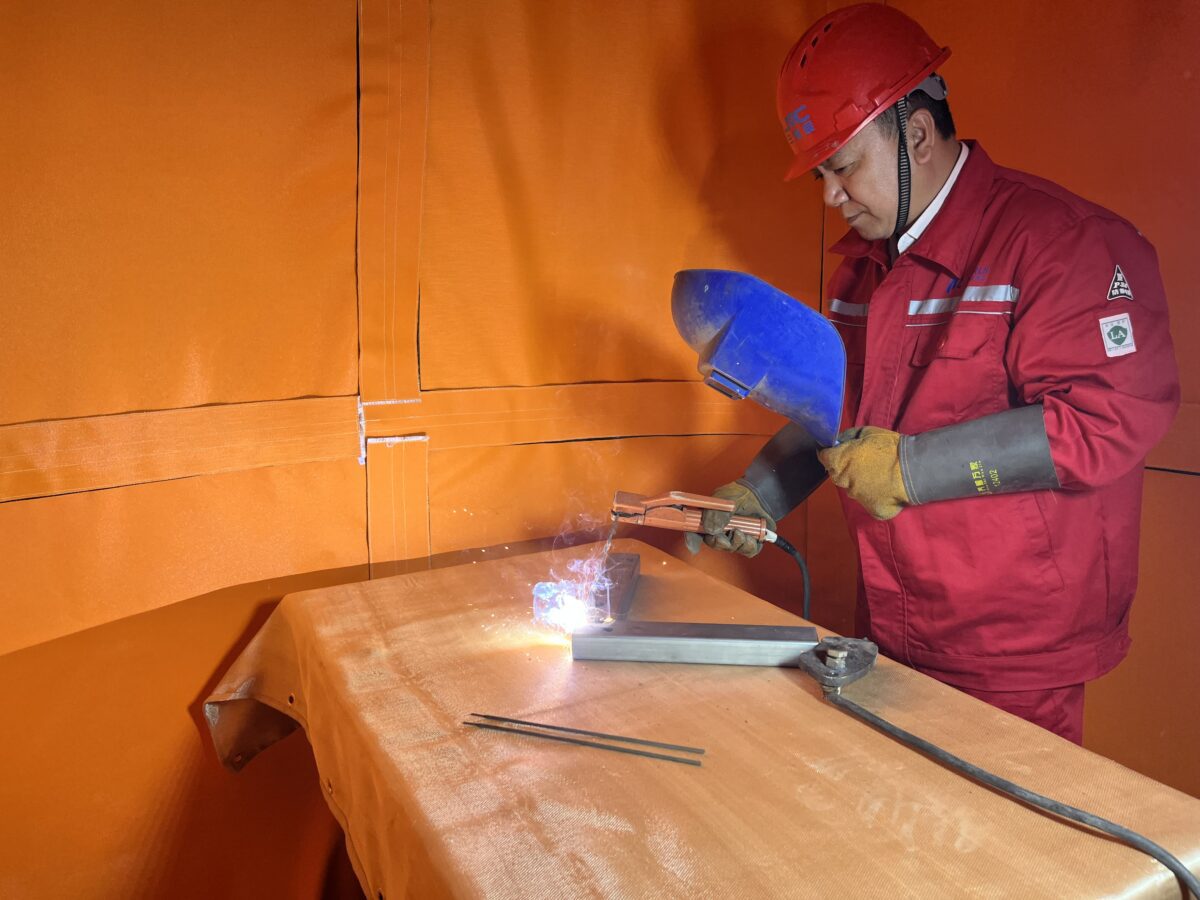
Positive pressure welding habitats are widely used in industries where hot work may be required near flammable or explosive atmospheres.
Typical applications include:
- Offshore oil and gas platforms
- Petrochemical plants
- Refineries
- LNG facilities
- Chemical processing plants
- Pipeline repair sites
- Tank farms
- FPSO maintenance
- Shipyards and marine repair
- Power plants
- Industrial maintenance projects
In these environments, the ability to isolate the hot work zone and prevent gas ingress is highly valuable.
How to Choose the Right Positive Pressure Welding Habitat
When selecting a welding habitat system, buyers should consider the following factors:
Work Area Size
The habitat should be large enough for workers, tools, welding equipment, and safe movement. Oversized or undersized habitats may affect airflow performance and installation efficiency.
Hazardous Area Classification
The system should be suitable for the intended operating environment, such as Zone 1, Zone 2, offshore, refinery, or petrochemical site conditions.
Air Supply Capacity
The ventilation system should provide enough clean air to maintain positive pressure throughout the hot work operation.
Fire-Resistant Material
Panels should be made from suitable fire-resistant and heat-resistant materials to withstand sparks, spatter, and radiant heat.
Gas Monitoring Requirements
The system should support gas detection before and during operation, especially in environments where flammable gases or vapors may be present.
Installation Conditions
Wind load, available space, access routes, mounting points, and surrounding equipment should be considered before installation.
Customization Options
For complex industrial projects, a custom welding habitat may be required to fit irregular structures, pipelines, valves, platforms, or confined work locations.
Common Mistakes to Avoid
A positive pressure welding habitat can only work effectively when it is properly used. Common mistakes include:
- Using poor-quality or damaged panels
- Ignoring gas testing before hot work
- Failing to monitor internal pressure
- Leaving access doors open
- Not sealing cable and hose entries
- Using insufficient ventilation capacity
- Installing the habitat without a proper risk assessment
- Treating the habitat as a substitute for a hot work permit
- Continuing work after a gas or pressure alarm
To reduce these risks, workers should follow site safety procedures, inspect the habitat before use, and stop hot work immediately if pressure or gas conditions become unsafe.
Positive Pressure Welding Habitat vs Standard Welding Tent
A standard welding tent mainly provides basic weather protection, spark containment, and visual shielding. It may be useful for general welding tasks in non-hazardous areas.
A positive pressure welding habitat offers a higher level of environmental control. It is designed to maintain internal pressure, reduce gas ingress, support gas monitoring, and provide a safer enclosure for hot work in hazardous or high-risk industrial locations.
The key difference is this:
A standard welding tent separates the work area physically.
A positive pressure welding habitat separates and controls the work atmosphere.
For oil and gas, offshore, petrochemical, and refinery projects, this difference is critical.
FAQ: Positive Pressure Welding Habitat
What does positive pressure mean in a welding habitat?
Positive pressure means the air pressure inside the welding habitat is higher than the pressure outside. This causes air to flow outward through small gaps, helping prevent external gas from entering the enclosure.
Can a positive pressure welding habitat completely eliminate explosion risk?
No. A welding habitat helps reduce gas ingress and improve hot work safety, but it does not eliminate all risks. Proper gas testing, hot work permits, trained workers, equipment inspection, and emergency procedures are still required.
Is gas monitoring necessary inside a welding habitat?
Yes, gas monitoring is strongly recommended for hazardous areas. Gas detectors help confirm that the atmosphere remains safe before and during hot work.
What materials are used for welding habitat panels?
Common materials include fire-resistant fiberglass fabric, high silica fabric, silicone-coated fiberglass fabric, and other heat-resistant textile materials. The exact material depends on the working temperature, spark exposure, project environment, and safety requirements.
Can a welding habitat be customized?
Yes. Welding habitats can be customized by size, shape, panel material, frame design, door position, cable entry, ventilation capacity, and monitoring system according to project requirements.
Conclusion
A positive pressure welding habitat is an important safety solution for hot work in hazardous industrial environments. By maintaining higher internal pressure, supplying clean air, sealing access points, and integrating gas monitoring, the system helps prevent gas ingress and creates a more controlled welding area.
For offshore platforms, refineries, petrochemical plants, LNG facilities, and other high-risk worksites, a well-designed welding habitat can support safer hot work, reduce project downtime, and improve operational control.
If your project requires welding, cutting, grinding, or maintenance work in a hazardous area, choosing the right positive pressure welding habitat system is essential. Share your work area size, site environment, hazardous zone, and hot work requirements with our team, and we can recommend a suitable welding habitat solution for your project.