Introduction
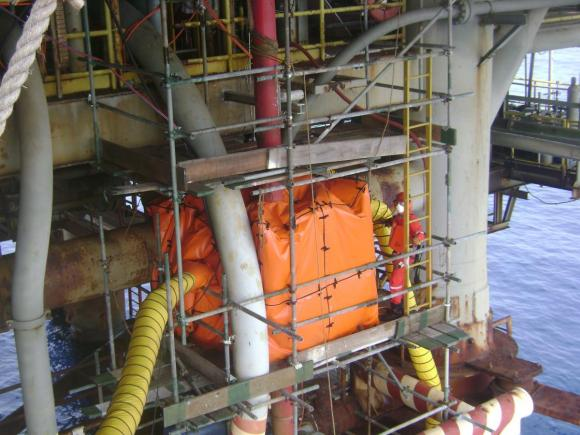
A welding habitat system is a specialized enclosed environment designed to isolate welding operations from external conditions such as wind, moisture, contamination, and safety hazards. It is widely used in demanding industrial applications where standard welding booths are not sufficient—especially in offshore, pipeline, and heavy infrastructure projects.
As global industries move toward higher safety standards, deeper automation, and more complex construction environments, welding habitat systems are gaining increasing attention. This article provides a structured overview of their market prospects and future growth trends.
1. Strong Demand from Offshore and Energy Industries
The most important application driver for welding habitat systems is the offshore and energy sector.
Typical use cases include:
- Offshore oil and gas platform maintenance
- Subsea pipeline welding and repair
- Wind turbine installation (offshore wind farms)
- Ship hull and marine structure welding in open environments
In these scenarios, welding is often performed under:
- High wind conditions
- High humidity or salt spray environments
- Temperature fluctuations
- Strict safety constraints
A welding habitat system creates a controlled micro-environment, ensuring stable welding quality and reducing environmental interference.
As global offshore energy projects continue expanding—especially offshore wind development in Europe and Asia—the demand for welding habitat systems is expected to grow steadily.
2. Growth in Pipeline and Infrastructure Construction
Large-scale infrastructure and pipeline construction projects also significantly drive demand.
Key applications include:
- Long-distance oil and gas pipelines
- Water transmission pipelines
- Cross-country energy infrastructure
- Remote construction sites
These projects often take place in:
- Deserts
- Mountains
- Offshore or remote regions
In such environments, portable welding habitat systems are essential for:
- Shielding weld zones from wind and dust
- Maintaining weld quality consistency
- Meeting strict inspection and certification standards
With global investment in energy infrastructure and cross-border pipeline networks, this segment represents a stable long-term growth market.
3. Increasing Quality Requirements in Critical Welding Applications
Industries that require high-reliability welds are increasingly adopting habitat systems, including:
- Aerospace component manufacturing
- Nuclear power facilities
- Pressure vessel fabrication
- High-spec petrochemical installations
In these industries, even minor environmental disturbances can cause:
- Weld defects (porosity, cracking, incomplete fusion)
- Structural integrity risks
- Certification failure
A welding habitat system ensures:
- Controlled atmosphere (wind and dust protection)
- Stable temperature and humidity conditions
- Improved weld consistency and repeatability
This makes it a key enabling technology for high-end industrial welding.
4. Expansion of Modular and Portable Designs
Modern welding habitat systems are shifting toward modular and portable configurations.
Key trends include:
- Lightweight aluminum or composite frame structures
- Rapid assembly and disassembly
- Flexible sizing for different pipe diameters or structures
- Integration with fume extraction and ventilation systems
These innovations make the system highly suitable for:
- Field construction teams
- Temporary offshore projects
- Mobile pipeline welding crews
The demand for flexible and reusable systems is expected to increase as contractors seek to reduce operational downtime and logistics costs.
5. Integration with Automation and Smart Monitoring
Advanced welding habitat systems are increasingly integrated with digital and automated technologies, such as:
- Real-time environmental monitoring (wind speed, humidity, temperature)
- Automated ventilation and pressure control
- Remote inspection systems
- Compatibility with robotic welding units
This aligns with the broader trend of smart construction sites and Industry 4.0, where data-driven control improves welding quality and efficiency.
6. Environmental and Safety Compliance Pressure
Global environmental and occupational safety regulations are becoming stricter, particularly in:
- Offshore operations
- Oil and gas industries
- Heavy engineering construction
Welding habitat systems help companies comply with:
- Worker safety standards
- Environmental emission control requirements
- Site-specific risk mitigation protocols
As compliance costs increase, companies are more willing to invest in engineered containment systems rather than relying on temporary protective measures.
Conclusion: A High-Growth Niche in Industrial Welding Solutions
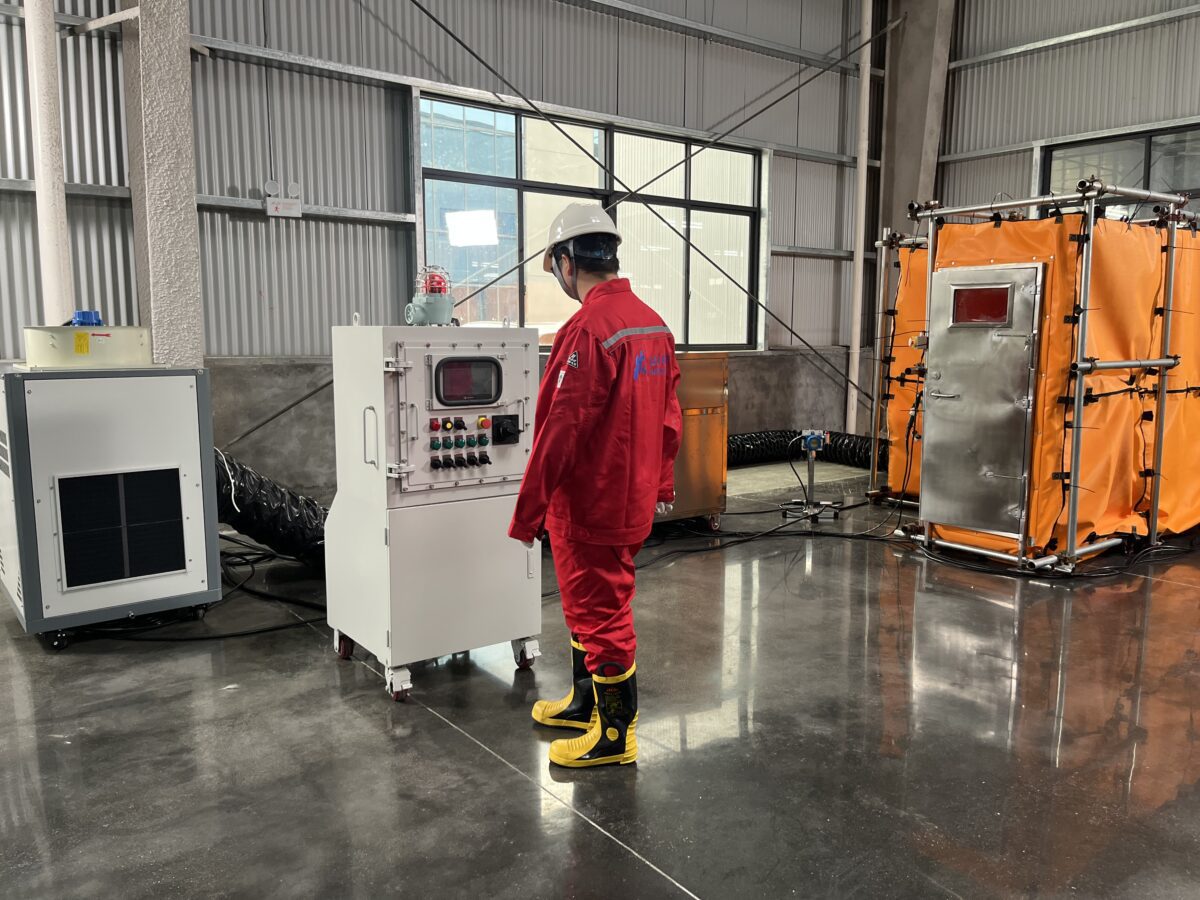
The welding habitat system market is positioned for steady long-term growth, driven by:
- Expansion of offshore energy and wind power projects
- Increasing pipeline and infrastructure development
- Rising demand for high-quality, defect-free welding
- Shift toward modular and portable engineering solutions
- Stricter global safety and environmental regulations
Unlike standard welding booths used in factories, welding habitat systems serve mission-critical field applications. Their role in ensuring welding quality under extreme conditions makes them an indispensable solution in modern industrial construction.
As global energy and infrastructure projects become more complex, welding habitat systems will continue to evolve into smarter, more portable, and more integrated engineering solutions.