Hot work in hazardous areas requires more than standard fire protection. In oil and gas facilities, offshore platforms, refineries, chemical plants and industrial maintenance sites, welding or grinding may take place close to flammable gases, vapours or combustible materials. In these environments, one spark can create a serious safety incident.
This is why an ATEX certified welding habitat is important. It helps create a controlled working area for welding, cutting, grinding and other hot work operations in potentially explosive or high-risk industrial environments. For HSE managers, project engineers and procurement teams, choosing the right welding habitat is not only about temporary enclosure; it is about safety control, compliance support and project reliability.
What Is an ATEX Certified Welding Habitat?
A welding habitat is a temporary enclosure system designed to isolate hot work from the surrounding worksite. It is commonly used in oil and gas, offshore, petrochemical, marine and industrial maintenance projects.
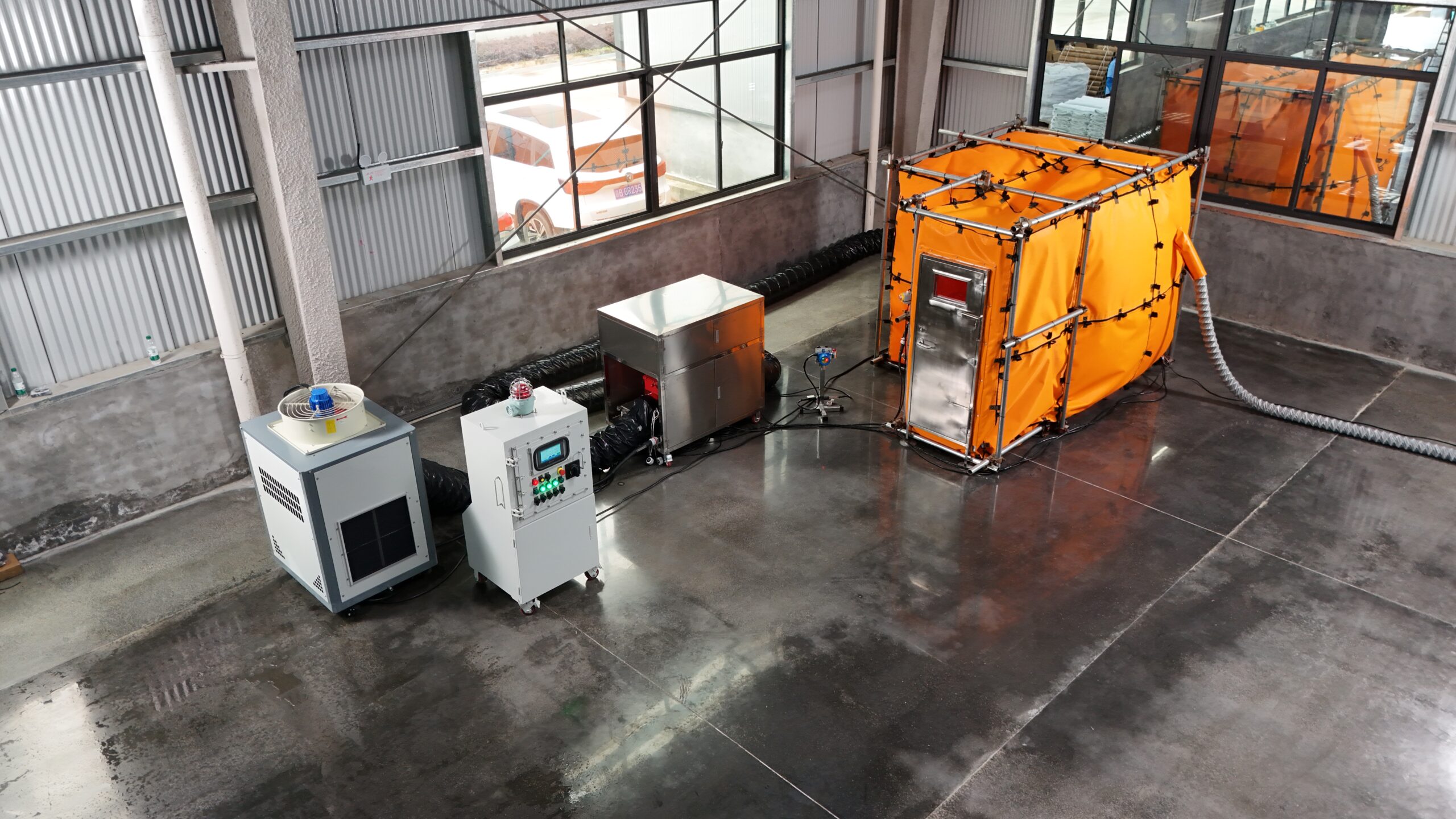
A complete welding habitat system may include:
- Fire-resistant enclosure panels
- Modular frame structure
- Positive pressure ventilation system
- Air supply and extraction equipment
- Lighting system
- Gas detection or monitoring devices
- Access doors and observation windows
- Control box and safety alarm system
An ATEX certified welding habitat means the system, or key components within the system, are designed for use in hazardous areas where explosive atmospheres may be present. These areas require special attention because ordinary electrical or mechanical equipment may create ignition risks.
For buyers, it is important to understand that ATEX certification should always be checked carefully. The supplier should clearly explain which parts are certified, what application area they are suitable for, and what technical documents can be provided.
Why Certification Matters in Hazardous Areas
Hazardous areas are worksites where flammable gases, vapours, mists or dust may exist. These conditions are common in oil and gas production, offshore platforms, refineries, chemical plants, tank farms and pipeline maintenance areas.
During hot work, several ignition sources may appear, including:
- Welding arcs
- Grinding sparks
- Hot slag
- Heated metal surfaces
- Electrical equipment
- Static electricity
- Poor ventilation
- Uncontrolled gas accumulation
Without proper control, these risks can lead to fire, explosion, equipment damage, production shutdown or worker injury.
An ATEX certified welding habitat helps reduce these risks by creating a safer and more controlled hot work zone. It separates the welding activity from the surrounding hazardous environment and supports safer operation through pressure control, fire-resistant materials and suitable equipment selection.
The Role of Positive Pressure in Welding Habitats
Many hazardous area welding habitats use a positive pressure design. This means clean air is supplied into the enclosure to keep the internal pressure higher than the outside environment.
The purpose of positive pressure is to help prevent flammable gases or vapours from entering the hot work area. When properly designed and monitored, the system can help maintain a safer internal atmosphere for welding or grinding operations.
A pressurized welding habitat usually requires:
- Stable air supply
- Pressure monitoring
- Proper sealing of enclosure panels
- Controlled air exchange
- Alarm system for pressure loss
- Emergency response procedures
Positive pressure does not remove the need for gas testing, permits or site safety procedures. However, it provides an important engineering control for hazardous area hot work.
Fire-Resistant Panels Are Also Important
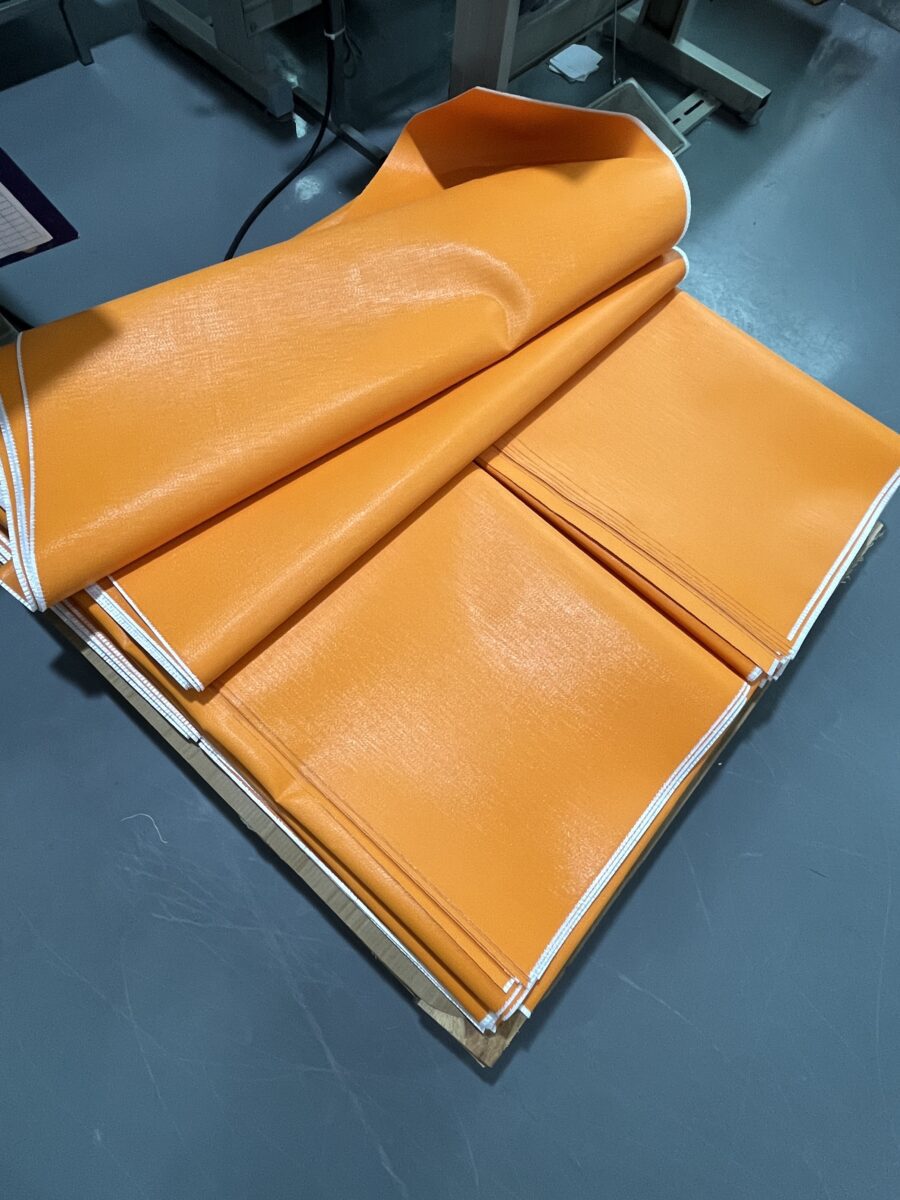
ATEX certification is important for hazardous area equipment, but the physical enclosure material is also critical. Welding habitats are exposed to sparks, heat, slag and flame contact during operation.
High-quality welding habitat panels should offer:
- Flame resistance
- Heat resistance
- Spark protection
- Good flexibility
- Tear resistance
- Long service life
- Easy installation and removal
Silicone coated fiberglass fabric is often used for welding habitat panels because it combines the strength of fiberglass base cloth with the protective performance of silicone coating. This type of material can help resist welding sparks, heat exposure and harsh industrial working conditions.
For buyers, the panel material should not be ignored. A safe welding habitat requires both suitable certified equipment and reliable fire-resistant fabric.
Benefits of Using an ATEX Certified Welding Habitat
1. Improved Hot Work Safety
The main purpose of a welding habitat is to reduce the risk of fire and explosion during hot work. By isolating the work area and controlling airflow, the habitat helps create a safer environment for welders and nearby workers.
2. Better Compliance Support
Industrial projects often require strict HSE review before hot work can begin. A welding habitat with proper ATEX-related documentation can help project teams pass safety checks more smoothly.
3. Reduced Project Delays
When safety documents, technical drawings and equipment certificates are complete, approval procedures can be faster. This helps reduce downtime during maintenance, shutdown or emergency repair projects.
4. Safer Work in Confined or Complex Areas
Many industrial worksites have limited space, complex pipelines, offshore structures or difficult access points. A customized welding habitat can be designed to fit the actual work area and improve hot work control.
5. Better Protection for Equipment and Surrounding Areas
Welding sparks and heat can damage nearby pipes, cables, valves, instruments and painted surfaces. A proper enclosure helps contain sparks and reduce damage to surrounding equipment.
Where ATEX Certified Welding Habitats Are Used
ATEX certified welding habitats are suitable for many hazardous or high-risk industrial environments, including:
- Offshore oil and gas platforms
- Refineries
- Petrochemical plants
- Chemical processing facilities
- LNG facilities
- Pipeline repair projects
- Tank and vessel maintenance
- Marine and shipyard repair
- Power plant maintenance
- Industrial shutdown projects
In these industries, hot work is often necessary, but the surrounding environment may not be safe for open welding. A welding habitat gives project teams a controlled solution for safer repair and maintenance.
What Buyers Should Check Before Ordering
Choosing a welding habitat system requires careful evaluation. Before purchasing, buyers should ask the supplier several key questions.
Is the System Suitable for Hazardous Areas?
Not every welding tent or fireproof enclosure is suitable for hazardous areas. Buyers should confirm whether the system is designed for hazardous area hot work and whether the supplier can provide related technical documents.
Which Components Are ATEX Certified?
The supplier should clearly identify which components are certified. These may include lights, fans, control panels, sensors or other electrical parts. Buyers should avoid vague claims such as “ATEX approved” without clear documentation.
Is Positive Pressure Available?
For many hazardous area applications, positive pressure is an important feature. Buyers should check whether the system includes air supply, pressure monitoring and alarm functions.
What Material Is Used for the Panels?
Panel material affects fire resistance, durability and service life. Silicone coated fiberglass fabric is a strong option for welding habitat panels because it offers heat resistance and industrial durability.
Can the Size Be Customized?
Industrial worksites are often different. The welding habitat should be customizable according to the actual work area, including size, door position, window position, frame structure and ventilation layout.
Can the Supplier Provide Drawings and Instructions?
A professional supplier should provide drawings, installation guidance, operation instructions and maintenance suggestions. These documents are important for site preparation and HSE review.
ATEX Welding Habitat vs Ordinary Welding Tent
An ordinary welding tent may provide basic protection from sparks, wind or light weather conditions. However, it may not be suitable for hazardous areas.
An ATEX welding habitat is different because it focuses on controlled hot work in higher-risk environments. It may include certified electrical components, positive pressure design, safety monitoring and more complete technical documentation.
For general outdoor welding, a standard welding tent may be enough. For oil, gas, chemical or offshore hot work, a professional welding habitat system is usually a safer and more suitable choice.
Why Supplier Experience Matters
A welding habitat is not only a fabric enclosure. It is a safety-related system that must work properly in real industrial conditions. Therefore, supplier experience is very important.
A reliable welding habitat manufacturer should understand:
- Hazardous area hot work requirements
- Fire-resistant fabric selection
- Positive pressure system design
- Modular frame structure
- Site installation requirements
- Export packaging and shipment
- HSE documentation needs
- Custom project requirements
For international buyers, choosing an experienced supplier can reduce communication problems, technical risks and delivery delays.
Conclusion
An ATEX certified welding habitat plays an important role in hazardous area hot work safety. It helps create a controlled enclosure for welding, grinding and cutting in oil, gas, offshore, chemical and industrial maintenance environments.
For HSE managers, project engineers and buyers, the key is not only to buy a welding enclosure, but to choose a complete welding habitat system with proper materials, suitable components, positive pressure control and reliable documentation.
Before ordering, buyers should always check the certificate scope, panel material, ventilation design, customization options and supplier experience. A well-designed welding habitat can help improve safety, support project approval and reduce risks during high-risk industrial hot work.
FAQ
What is an ATEX certified welding habitat?
An ATEX certified welding habitat is a welding enclosure system designed for hot work in hazardous areas where flammable gases, vapours or explosive atmospheres may be present.
Is a fireproof welding tent the same as an ATEX welding habitat?
No. A fireproof welding tent mainly provides spark and heat protection. An ATEX welding habitat is designed for hazardous areas and may include certified components, positive pressure and safety monitoring systems.
Why is positive pressure important?
Positive pressure helps prevent hazardous gases or vapours from entering the welding area. It supports a safer internal working environment when properly designed and monitored.
What industries use ATEX welding habitats?
They are commonly used in oil and gas, offshore platforms, refineries, chemical plants, LNG facilities, shipyards, pipelines and industrial maintenance projects.
What should buyers check before purchasing?
Buyers should check the certificate scope, certified components, panel material, positive pressure system, customization ability, technical drawings and supplier experience.