
Introduction
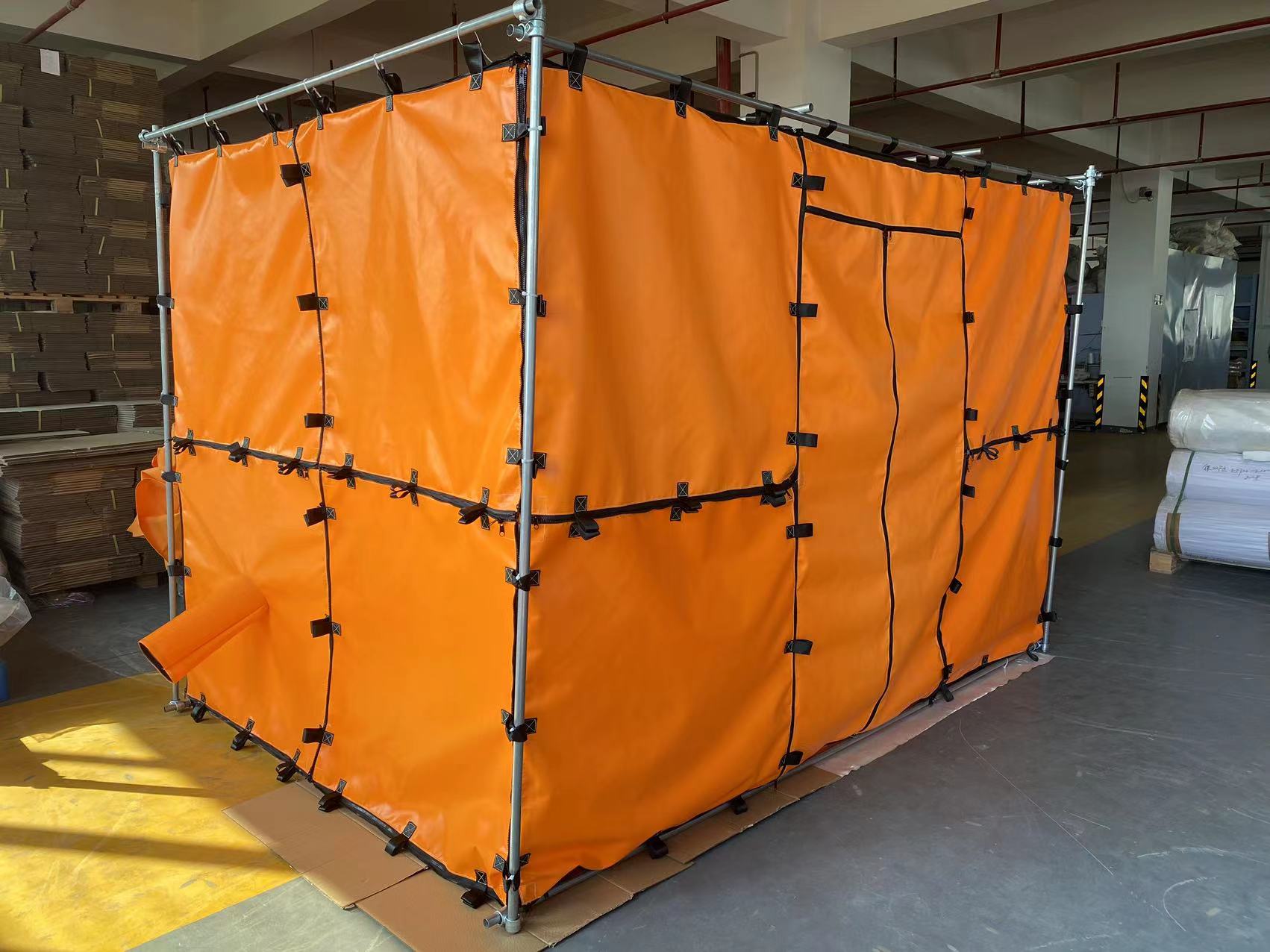
In industrial hot work environments, safety is always the first priority. Welding, grinding, cutting, and other spark-producing operations can create serious fire and explosion risks, especially in oil and gas plants, offshore platforms, shipyards, chemical facilities, and confined industrial areas. To control these risks, many companies use a welding habitat system to isolate the hot work area and create a safer working environment.
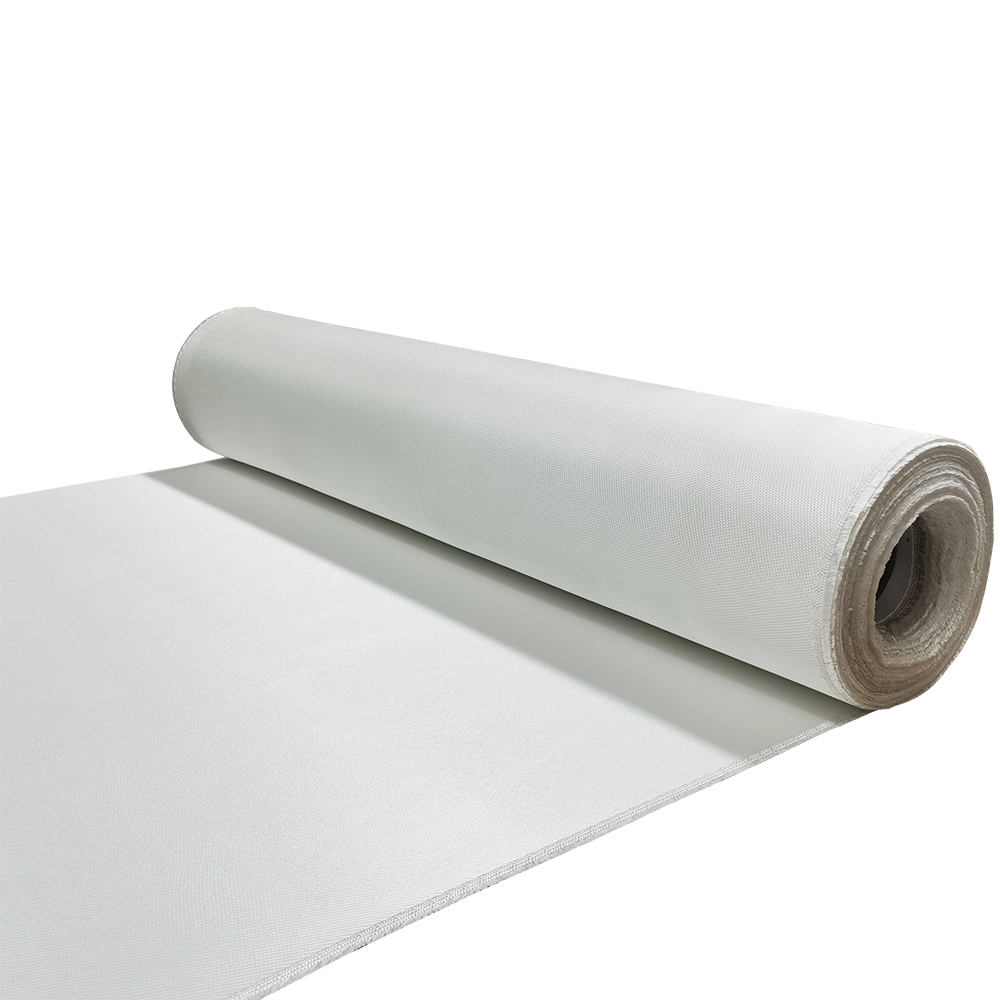
One of the most important parts of a welding habitat is the panel material. Although different fire-resistant fabrics can be used, fiberglass fabric is widely selected as the base fabric for welding habitat panels. This is because fiberglass fabric offers a strong balance of fire resistance, heat protection, mechanical strength, dimensional stability, and long-term durability.
This article explains why fiberglass fabric is an ideal base material for welding habitat panels and why it is commonly combined with silicone coating for industrial hot work protection.
What Is a Welding Habitat Panel?
A welding habitat panel is the fire-resistant wall or enclosure material used to build a temporary or semi-permanent hot work area. These panels help separate welding operations from surrounding equipment, people, flammable gases, and sensitive work zones.
In a pressurized welding habitat system, the panels must do more than simply block sparks. They also need to support air sealing, maintain internal pressure, resist heat, and remain stable during repeated installation and removal.
Because of these requirements, the base fabric must be strong, flexible, and fire resistant. This is where fiberglass fabric becomes a practical and reliable choice.
Excellent Fire Resistance
The main reason fiberglass fabric is used as a base fabric for welding habitat panels is its natural fire resistance. Fiberglass is an inorganic material, which means it does not burn like ordinary plastic, cotton, or synthetic textile materials.
During welding or grinding work, sparks and hot metal particles may hit the panel surface. A fiberglass fabric base can withstand this type of exposure much better than many organic fabrics. When combined with a suitable coating, such as silicone rubber, the fabric can provide improved resistance to flame, heat, sparks, and industrial wear.
For welding habitat applications, this fire-resistant performance is essential. The panel material must help reduce the risk of flame spread and protect the surrounding work area from hot work hazards.
Strong Heat Resistance for Hot Work Areas
Welding habitat panels are often installed close to welding arcs, grinding sparks, hot pipes, and metal surfaces. Therefore, the base fabric must remain stable under elevated temperatures.
Fiberglass fabric has good heat resistance and can maintain its structure in demanding thermal environments. Compared with many polymer-based materials, fiberglass fabric is less likely to melt, drip, shrink, or lose strength quickly under heat exposure.
This makes fiberglass fabric suitable for welding enclosures, fire-resistant curtains, welding blankets, insulation covers, and other industrial heat protection products. For welding habitat panels, the material helps create a safer barrier between the hot work zone and surrounding operations.
Good Mechanical Strength
A welding habitat panel must be strong enough for repeated use. During installation, transportation, and operation, the panels may be folded, pulled, fixed to frames, connected by Velcro, zipped together, or exposed to wind and pressure changes.
Fiberglass fabric provides good tensile strength and tear resistance, making it suitable as a structural textile base. It can support coating, stitching, reinforcement, and customized panel designs.
For industrial users, this means longer service life and better cost efficiency. A strong fiberglass base helps the welding habitat panel maintain its shape and performance after multiple projects.
Stable Size and Shape
Dimensional stability is another important advantage of fiberglass fabric. In hot work environments, some fabrics may stretch, shrink, deform, or become loose after exposure to heat and repeated use. This can affect sealing performance and safety.
Fiberglass fabric has low thermal shrinkage and good dimensional stability. This helps welding habitat panels remain flat, properly tensioned, and easier to install. Stable panel size also supports better sealing, especially in pressurized welding habitat systems where air leakage control is important.
For HSE managers and project teams, stable panels mean easier site setup, fewer adjustments, and more reliable hot work isolation.
Suitable for Silicone Coating
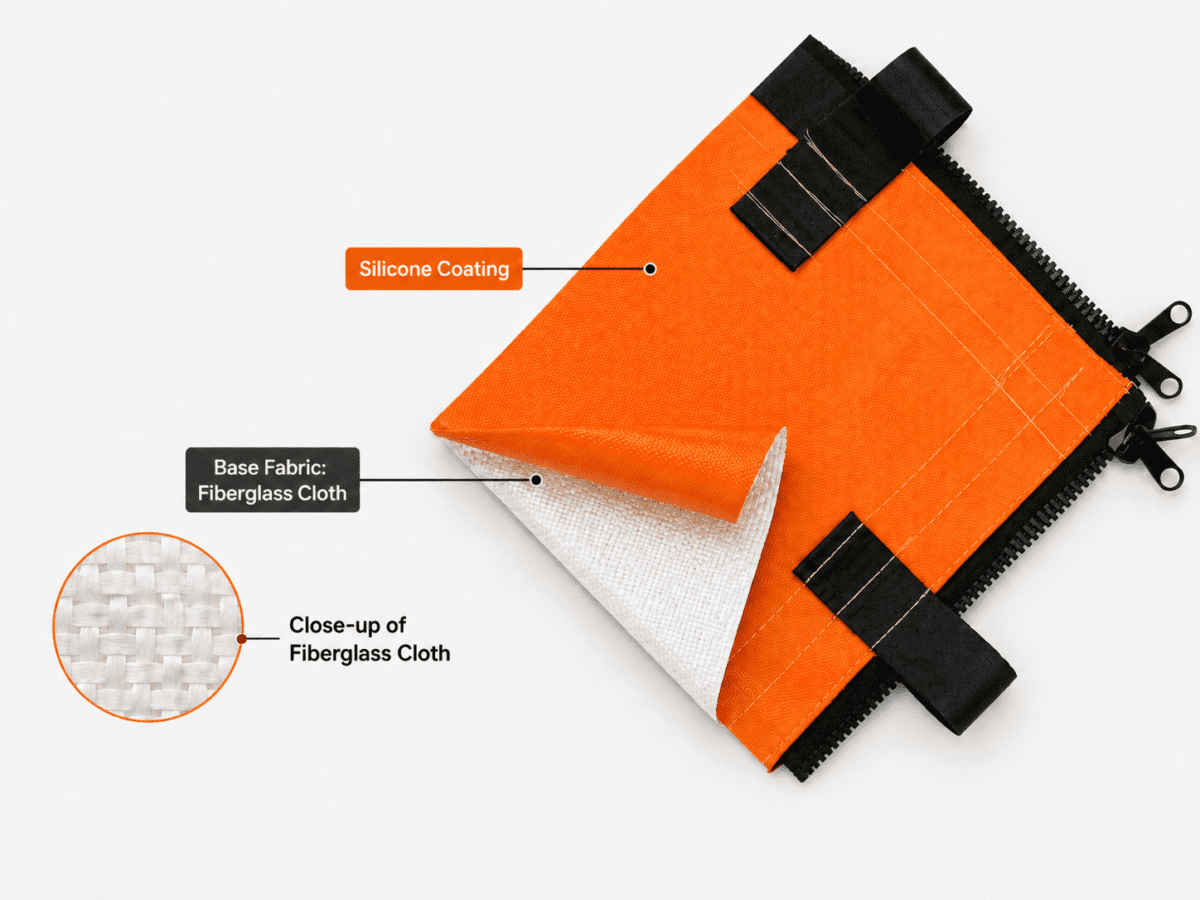
Fiberglass fabric is also widely used because it is an excellent base material for silicone coating. Silicone coated fiberglass fabric is one of the most common materials for high-performance welding habitat panels.
The fiberglass base provides strength and heat resistance, while the silicone coating improves surface protection, flexibility, sealing performance, water resistance, and abrasion resistance. This combination creates a fabric that is suitable for demanding industrial conditions.
Silicone coated fiberglass fabric can also be customized in different thicknesses, weights, colors, and coating levels according to project requirements. For welding habitat manufacturers, this makes it easier to design panels for different environments, including offshore, petrochemical, shipbuilding, power plant, and maintenance applications.
Flexible and Easy to Install
Compared with rigid metal panels, fiberglass fabric panels are lighter and more flexible. This is very important for portable welding habitat systems.
Industrial work sites often need quick installation and dismantling. Fabric-based panels can be folded, packed, transported, and assembled more easily than heavy rigid structures. Workers can install them around pipes, platforms, equipment, and irregular work areas.
Fiberglass fabric helps create a good balance between safety and portability. It provides reliable protection without making the welding habitat system too heavy or difficult to move.
Better Cost Performance
For many industrial projects, cost performance is also a key factor. Materials such as ceramic fiber fabric or high silica fabric may offer higher temperature resistance, but they can also be more expensive or less suitable for repeated folding and handling.
Fiberglass fabric offers a strong balance of performance and cost. It provides the fire resistance, heat protection, strength, and coating compatibility required for most welding habitat applications. This makes it a practical choice for manufacturers, distributors, contractors, and end users.
For areas with extremely high heat exposure, high silica fabric or additional insulation layers can still be used as an upgrade. However, for the main panel structure, fiberglass fabric remains one of the most efficient and reliable base materials.
Why Not Use Ordinary Flame-Retardant Fabric?
Some ordinary flame-retardant fabrics may look suitable at first, but they are often not enough for welding habitat panels. Many organic fabrics rely on chemical flame-retardant treatment. Over time, this treatment may be affected by wear, washing, moisture, UV exposure, or high temperatures.
Fiberglass fabric, on the other hand, is naturally non-combustible and more stable in hot work conditions. This makes it a safer and more durable base material for welding habitat panels.
In critical industrial environments, the material should not only pass a simple flame test. It must also perform under real working conditions, including sparks, heat, pressure, movement, and repeated use.
Conclusion
Fiberglass fabric is widely used as the base fabric for welding habitat panels because it offers an excellent combination of fire resistance, heat stability, mechanical strength, dimensional stability, flexibility, and coating compatibility.
When combined with silicone coating, fiberglass fabric becomes an even more effective material for welding habitat systems. It helps improve panel durability, sealing performance, weather resistance, and overall hot work safety.
For oil and gas facilities, offshore platforms, shipyards, chemical plants, and industrial maintenance projects, fiberglass-based welding habitat panels provide a practical and reliable solution for safer welding operations.
Choosing the right panel material is not only a matter of product quality. It is also an important part of hot work risk control, HSE compliance, and long-term project safety.