
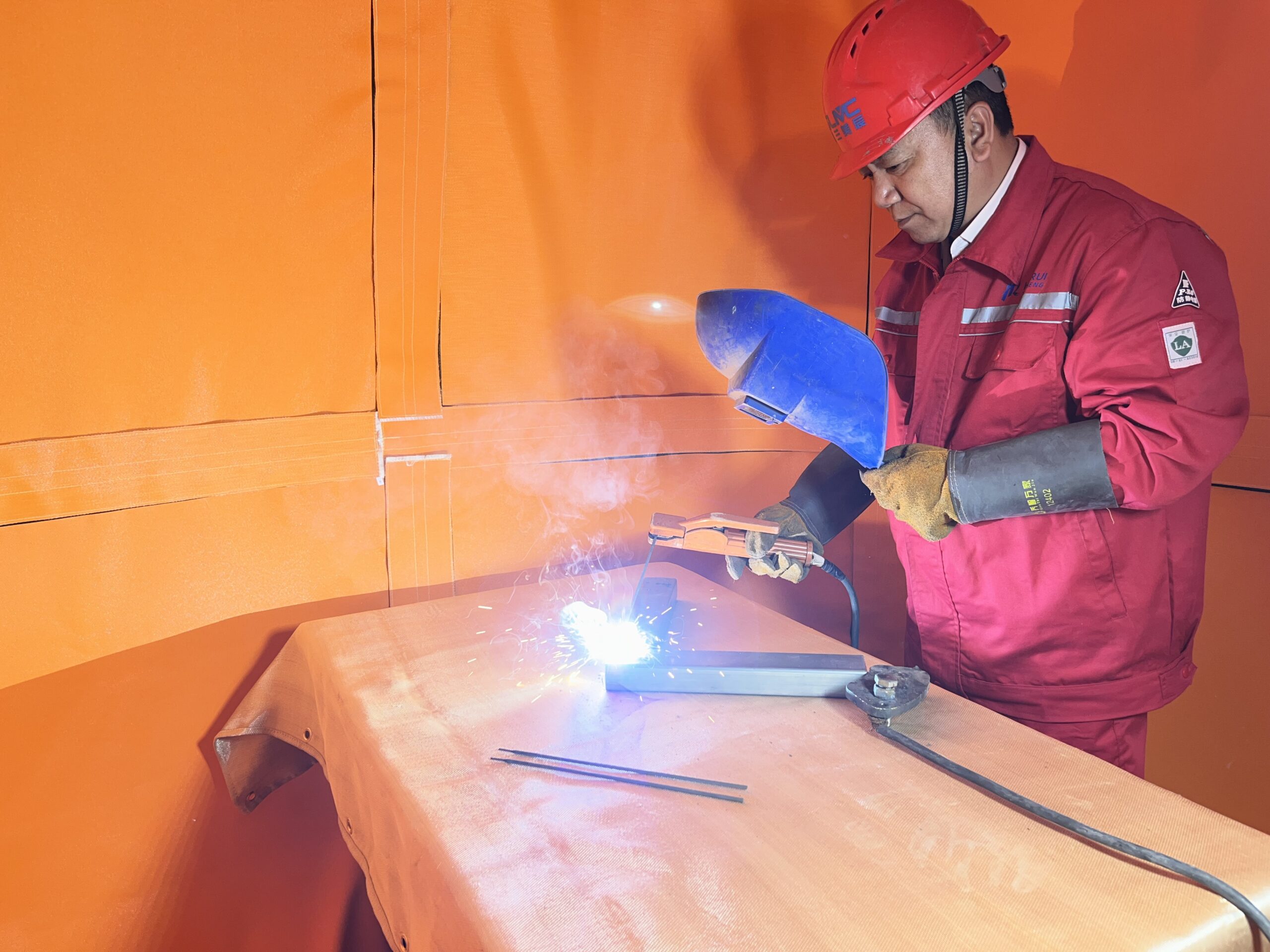
Welding is one of the most common processes in industrial construction, maintenance, shipbuilding, offshore platforms, oil and gas facilities, power plants and manufacturing workshops. However, welding is also a high-risk hot work activity. It produces sparks, molten metal, high temperature, welding fumes, ultraviolet radiation and potential ignition sources.
For ordinary workshop welding, basic safety measures such as personal protective equipment, ventilation, fire blankets and fire extinguishers may be enough. But in high-risk industrial environments, these measures alone are often not sufficient. This is why a professional welding habitat system becomes an important safety solution for controlled hot work.
Welding Safety Starts Before the Arc Is Struck
Before welding begins, the work area must be inspected carefully. Combustible materials such as oil, paint, plastic, wood, packaging, insulation materials and chemical residues should be removed from the welding area. If they cannot be removed, they should be protected with fire-resistant blankets, welding curtains or other fireproof barriers.
The welding machine, cables, grounding connection, gas hoses, cylinders and regulators should also be checked before use. Any damaged cable, loose connection or leaking gas hose may increase the risk of electric shock, fire or explosion.
In many industrial sites, welding is not allowed until a hot work permit has been approved. This permit process helps confirm that fire prevention, ventilation, gas detection, emergency response and fire watch arrangements are already in place.
Main Hazards During Welding Operations
Welding hazards are not limited to visible sparks. A safe welding operation must control several risks at the same time.
First, welding sparks and hot slag can travel and ignite nearby combustible materials. Even a small spark can cause a fire if it lands on insulation, oil residue, packaging material or a hidden gap.
Second, welding fumes and gases may affect worker health, especially in confined or poorly ventilated areas. Materials such as stainless steel, galvanized steel, coated metal or painted surfaces may release hazardous fumes during welding.
Third, welding arcs produce strong visible light, ultraviolet radiation and infrared radiation. Without proper face, eye and skin protection, workers may suffer burns or eye injuries.
Fourth, electric shock is another serious risk, especially when welding is performed in damp locations, metal structures or confined spaces.
Finally, in oil and gas facilities, offshore platforms, chemical plants and petrochemical sites, welding may be performed near flammable gases or vapor-sensitive areas. In these environments, uncontrolled hot work can create a severe fire or explosion hazard.
Why Basic Protection May Not Be Enough
Traditional welding safety measures are necessary, but they do not always create a fully controlled working environment. Fire blankets can protect nearby surfaces. Welding curtains can block sparks and light. Ventilation can reduce fumes. Fire extinguishers can support emergency response.
However, these measures are often separate controls. They may not fully isolate the welding area from the surrounding environment.
For example, in an offshore platform or refinery, the biggest concern is not only the spark from welding, but also the possibility that flammable gas from the surrounding area may enter the hot work zone. In this case, the welding area must be isolated, monitored and controlled as a dedicated safe space.
This is where a welding habitat system becomes essential.
What Is a Welding Habitat System?
A welding habitat system, also called a pressurized welding enclosure or hot work habitat, is a temporary safety enclosure designed to create a controlled area for welding, cutting, grinding and other hot work operations.
It is usually built with fire-resistant panels, modular frames, sealing components, ventilation units, pressure control systems, gas detection systems and access control arrangements. The purpose is to separate the hot work area from the surrounding hazardous environment.
In high-risk industries, a welding habitat system helps provide a safer workspace by controlling sparks, heat, fumes, airflow and external gas exposure.
How a Welding Habitat System Improves Hot Work Safety
1. It Isolates Sparks and Hot Slag
A welding habitat creates a physical barrier around the welding area. Fire-resistant panels help prevent sparks, molten metal and welding slag from spreading to nearby equipment, pipelines, insulation or combustible materials.
This is especially important in maintenance work where welding is performed close to existing production equipment.
2. It Helps Control Flammable Gas Risk
In oil and gas, offshore and petrochemical environments, flammable gas is a major concern. A pressurized welding habitat can help prevent external gas from entering the work area by maintaining controlled internal pressure.
When used together with gas detection and proper site procedures, the system supports safer hot work in areas where open welding would otherwise be restricted.
3. It Supports Better Ventilation and Fume Management
Welding fumes can build up quickly in enclosed or semi-enclosed spaces. A professional welding habitat system can be equipped with ventilation or extraction systems to improve airflow and reduce worker exposure to welding fumes.
This helps create a more stable and controlled working environment for welders and nearby personnel.
4. It Reduces Interference with Surrounding Operations
In many industrial projects, shutting down an entire production area for welding maintenance can be expensive and time-consuming. A welding habitat system helps localize the hot work area, allowing maintenance teams to perform necessary work with better separation from surrounding operations.
For project managers, this can help reduce downtime and improve maintenance efficiency.
5. It Strengthens Hot Work Permit Compliance
A welding habitat system makes hot work control more structured. It provides a defined work zone, controlled access, fire-resistant enclosure, ventilation support and monitoring points.
For HSE managers, this makes it easier to implement safety procedures, supervise fire watch duties and demonstrate that proper hot work controls are in place.
Where Welding Habitat Systems Are Commonly Used
Welding habitat systems are especially valuable in high-risk industrial environments, including:
- Offshore oil and gas platforms
- Refineries and petrochemical plants
- Chemical processing facilities
- LNG and gas facilities
- Shipyards and marine maintenance sites
- Power plants
- Pipeline maintenance projects
- Confined or semi-confined industrial spaces
- Construction and repair areas near sensitive equipment
In these applications, welding is not just a fabrication process. It is a controlled hot work activity that requires a higher level of safety management.
Why Silicone Coated Fiberglass Fabric Is Often Used in Welding Habitat Panels
The material used in a welding habitat system is critical. Silicone coated fiberglass fabric is commonly used because it combines the strength of fiberglass base cloth with the protective surface of silicone coating.
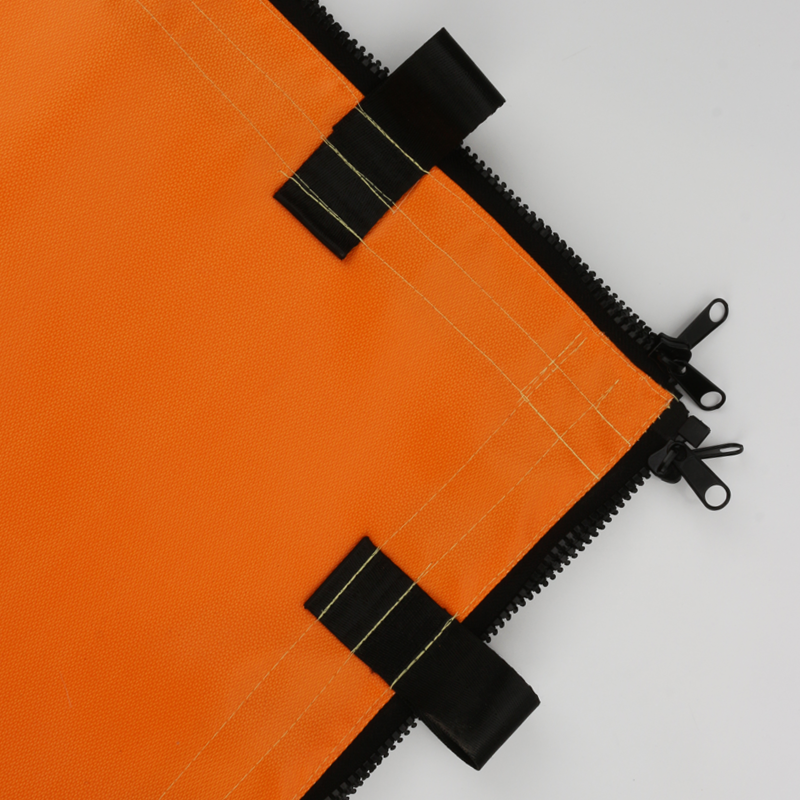
This material offers several advantages for welding habitat panels:
- Good heat resistance
- Flame-retardant performance
- Flexible and easy-to-install structure
- Resistance to sparks and welding spatter
- Better durability for repeated industrial use
- Suitable for modular enclosure systems
For temporary hot work enclosures, the fabric must be strong, heat-resistant and practical for site installation. Silicone coated fiberglass fabric provides a good balance of safety performance and flexibility.
Why Choose Huarui Welding Habitat System
Huarui provides welding habitat systems designed for industrial hot work safety. The system is suitable for welding, cutting, grinding and maintenance operations in offshore, oil and gas, petrochemical, shipyard and industrial project environments.
Our welding habitat system focuses on:
- Fire-resistant enclosure materials
- Modular and flexible installation
- Customized size and structure
- Controlled hot work area design
- Industrial-grade silicone coated fiberglass fabric panels
- Support for project-based safety requirements
- Suitable solutions for HSE and maintenance teams
For customers who need safer welding operations in hazardous or sensitive environments, a reliable welding habitat system can help reduce fire risk, improve site control and support hot work safety management.
Conclusion
Welding safety is not only about wearing a welding helmet or keeping a fire extinguisher nearby. In complex industrial environments, welding safety requires full control of sparks, heat, fumes, airflow, combustible materials and flammable gas exposure.
A welding habitat system provides a safer and more controlled solution for hot work. By isolating the welding area and supporting ventilation, gas monitoring and fire prevention procedures, it helps protect workers, equipment and production facilities.
For offshore platforms, refineries, petrochemical plants, shipyards and industrial maintenance projects, a welding habitat system is not just an optional safety product. It is an essential part of responsible hot work management.