
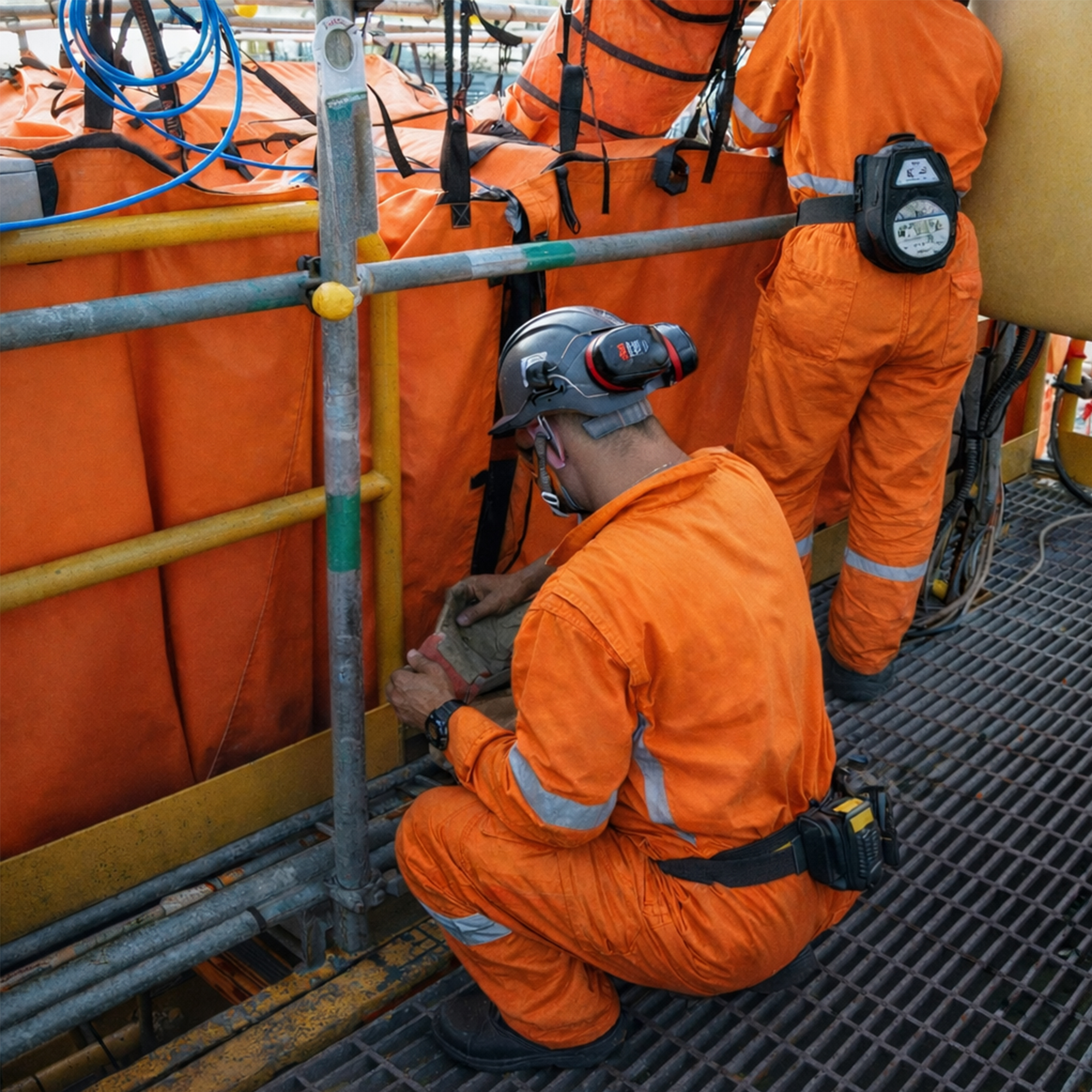
Fire safety in welding enclosures is a critical concern in industries such as offshore oil and gas, shipbuilding, and industrial manufacturing. Hot work activities like welding, cutting, and grinding generate sparks, heat, and molten metal, which can easily ignite fires if not properly controlled.
This complete guide explains how to ensure welding fire safety, outlines best practices, and helps you choose the right welding enclosure system for maximum protection.
Why Fire Safety in Welding Enclosures Is Important
Hot work is one of the leading causes of industrial fires. Without proper containment, sparks and heat can spread quickly and ignite flammable materials.
- Prevents fire and explosion risks
- Protects workers and equipment
- Ensures compliance with safety regulations
- Reduces downtime and financial loss
Using a welding habitat system or hot work enclosure significantly reduces these risks.
Common Fire Hazards in Welding Enclosures
- Sparks and molten metal
- Flammable gases or vapors
- Poor ventilation
- Improper material usage
- Confined spaces with heat buildup
Understanding these hazards is the first step toward improving industrial welding safety.
Key Fire Safety Requirements for Welding Enclosures
1. Use Fire-Resistant Materials
All enclosures must be constructed using certified fire-resistant welding materials, such as fiberglass fabrics with silicone coatings.
2. Proper Ventilation Systems
Effective ventilation removes smoke, heat, and hazardous gases. A well-designed welding ventilation system is essential for safe operations.
3. Spark Containment
A welding enclosure system must fully contain sparks and prevent them from escaping into surrounding areas.
4. Fire Prevention Equipment
Fire extinguishers, fire blankets, and emergency systems should always be available during hot work operations.
5. Compliance with Safety Standards
Ensure that your enclosure meets OSHA, ISO, or offshore safety standards for hot work safety compliance.
Best Practices for Welding Fire Safety
- Inspect equipment before use
- Keep flammable materials away
- Maintain proper ventilation
- Train workers on fire safety procedures
- Monitor temperature and gas levels
Welding Habitat vs Open Welding: Fire Safety Comparison
| Feature | Welding Habitat System | Open Welding Area |
|---|---|---|
| Fire Risk | Low (controlled environment) | High (uncontrolled) |
| Spark Containment | Fully contained | Not contained |
| Compliance | High | Low |
| Safety Level | Industrial-grade | Basic |
👉 Compare systems: Welding Habitat vs Welding Tent
How Welding Habitat Systems Improve Fire Safety
A welding habitat system is specifically designed to enhance fire safety in welding enclosures by:
- Containing sparks and heat
- Isolating hot work areas
- Providing controlled ventilation
- Reducing exposure to flammable materials
Common Fire Safety Mistakes to Avoid
- Using non-certified materials
- Ignoring ventilation requirements
- Overloading enclosed spaces
- Not conducting safety inspections
- Inadequate training of personnel
Industries Where Fire Safety Is Critical
- Offshore oil and gas platforms
- Shipbuilding and marine repair
- Petrochemical and refinery plants
- Power generation facilities
Future Trends in Welding Fire Safety
The future of welding fire safety includes advanced technologies such as:
- Smart gas detection systems
- Automated fire suppression systems
- Improved fire-resistant materials
- Real-time monitoring solutions
Related Articles
Improve Fire Safety in Your Welding Operations Today
We provide high-performance welding habitat systems and hot work enclosures designed to meet the highest fire safety standards in offshore and industrial environments.
- Custom fire-resistant solutions
- Compliance with global safety standards
- Fast delivery and expert support