
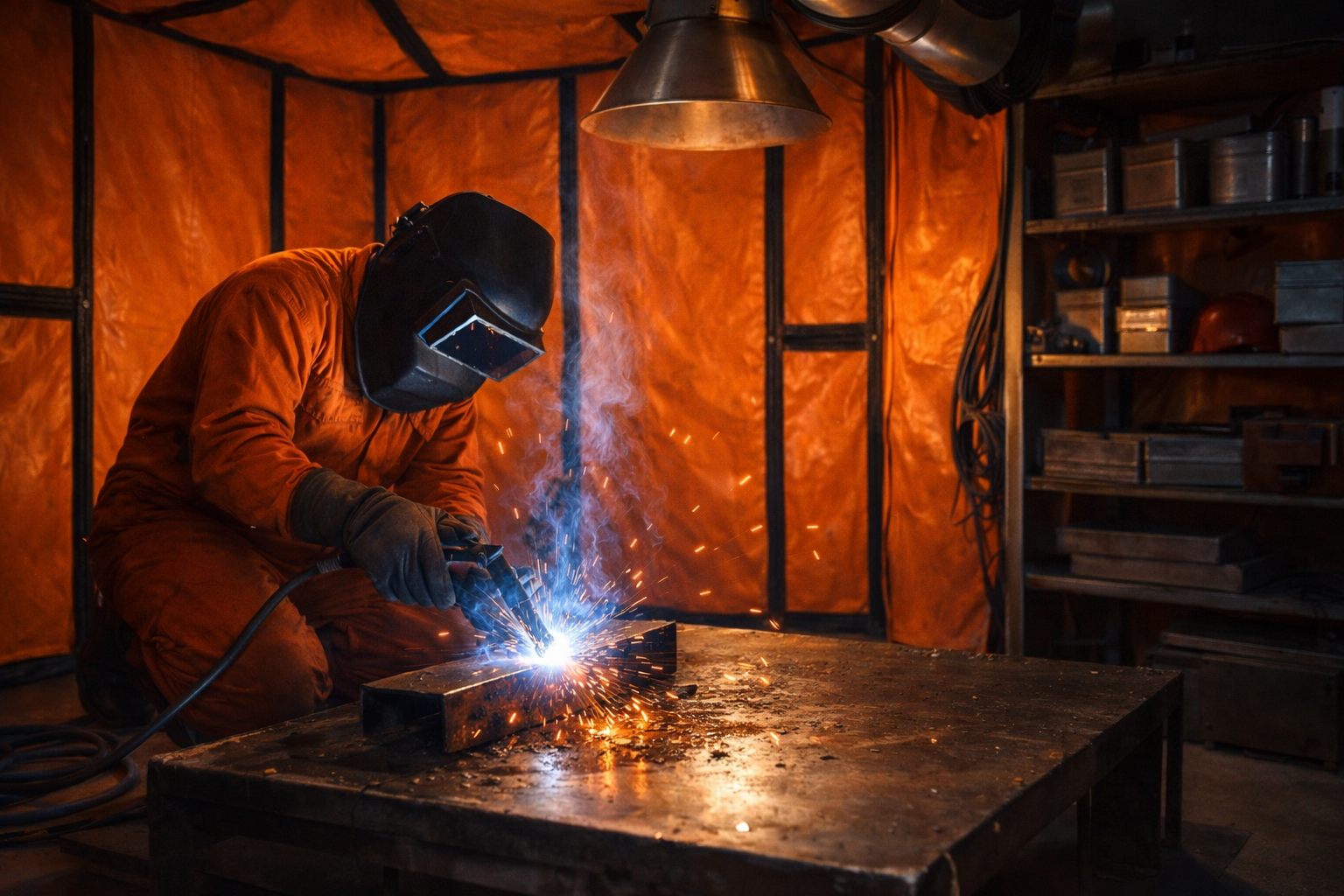
Installing a welding habitat system correctly is essential to ensure safety, compliance, and operational efficiency in hot work environments. Whether used in offshore oil platforms, shipyards, or industrial facilities, proper installation plays a critical role in preventing fire hazards and maintaining a controlled working environment.
In this complete guide, we will walk you through how to install a welding habitat system step by step, including preparation, assembly, safety checks, and common mistakes to avoid.
What is a Welding Habitat System?
A welding habitat system is a fire-resistant enclosure designed to isolate hot work activities such as welding, grinding, and cutting. It is commonly used in hazardous environments to prevent sparks and heat from causing fires or explosions.
👉 Learn more: What is a Welding Habitat System?
Why Proper Installation Matters
- Ensures fire and explosion safety
- Maintains compliance with industrial regulations
- Improves worker protection
- Prevents system failure or accidents
Tools and Equipment Required
- Modular frame components
- Fire-resistant fabric panels
- Fastening tools and connectors
- Ventilation equipment
- Safety gear (gloves, helmets, etc.)
Step-by-Step Welding Habitat Installation Process
Step 1: Site Preparation
Before installation, assess the work area. Remove flammable materials, clean the surface, and ensure enough space for the enclosure.
- Check environmental risks
- Ensure stable ground or platform
- Verify safety clearance
Step 2: Frame Assembly
Assemble the modular frame structure according to design specifications. Ensure all joints are secure and aligned properly.
- Connect frame sections
- Check structural stability
- Adjust for site conditions
Step 3: Install Fire-Resistant Fabric
Attach the fire-resistant fabric panels to the frame. Ensure full coverage to contain sparks and heat.
- Use certified materials
- Secure all edges tightly
- Avoid gaps or loose areas
Step 4: Sealing and Access Points
Install doors, zippers, or Velcro sealing systems to maintain enclosure integrity while allowing worker access.
Step 5: Ventilation System Setup
Proper ventilation is critical for removing fumes and maintaining air quality.
- Install air ducts or fans
- Ensure continuous airflow
- Prevent gas accumulation
Step 6: Safety Inspection
Before starting welding operations, conduct a full safety inspection.
- Check enclosure integrity
- Verify ventilation performance
- Ensure compliance with safety standards
Common Installation Mistakes to Avoid
- Skipping site preparation
- Using non-certified materials
- Improper sealing of enclosure
- Ignoring ventilation requirements
- Incorrect frame assembly
Welding Habitat vs Temporary Welding Shelter Installation
Compared to temporary welding shelters, welding habitats require more precise installation due to their role in hazardous environments.
👉 Compare systems: Welding Habitat vs Welding Tent
Best Practices for Efficient Installation
- Use pre-engineered modular systems
- Train installation personnel
- Follow manufacturer guidelines
- Plan installation workflow in advance
Installation Time and Labor Requirements
Installation time varies depending on system size and complexity:
- Small systems: 2–4 hours
- Medium systems: 1 day
- Large offshore systems: 2–3 days
Industries That Require Welding Habitat Installation
- Offshore oil and gas
- Shipyards and marine engineering
- Petrochemical plants
- Industrial manufacturing facilities
Future Trends in Welding Habitat Installation
- Faster modular assembly systems
- Pre-fabricated enclosure kits
- Integration with smart monitoring systems
- Improved lightweight materials
Related Articles
Need Help Installing a Welding Habitat System?
We provide complete welding habitat solutions including design, manufacturing, and installation support for offshore and industrial projects.
- Custom installation guidance
- High-quality fire-resistant materials
- Fast global delivery