
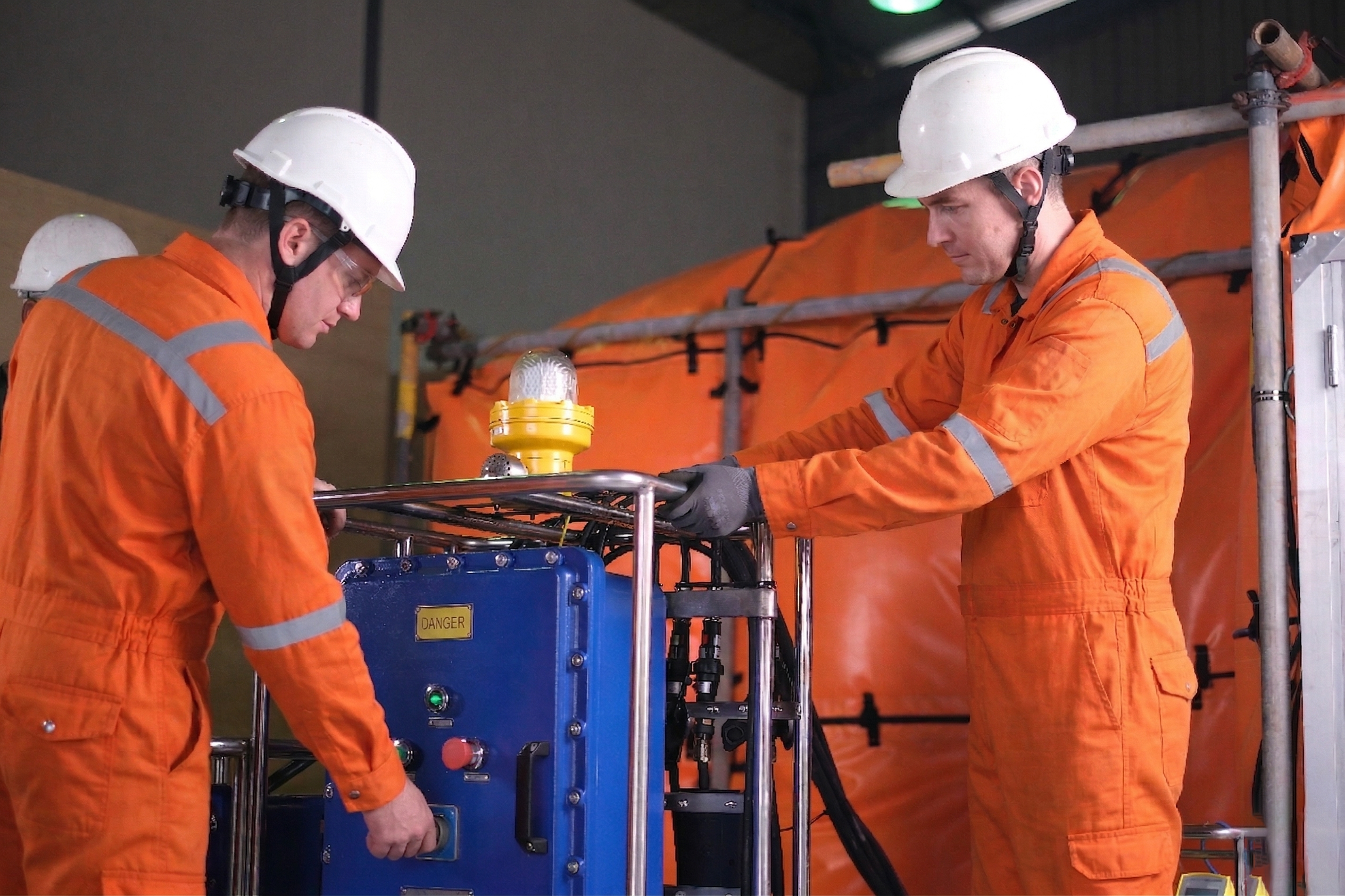
Hot work operations such as welding, cutting, grinding, and brazing present significant fire and explosion risks in industrial environments. To minimize these risks, strict hot work enclosure requirements have been established across industries such as oil and gas, shipbuilding, petrochemical plants, and heavy manufacturing.
In this complete guide, we will explain what hot work enclosure requirements are, why they are important, key safety standards, and how to choose the right compliant enclosure system for your project.
What is a Hot Work Enclosure?
A hot work enclosure is a controlled and often temporary structure designed to isolate welding or other hot work activities from surrounding hazardous environments. Its main purpose is to prevent ignition sources such as sparks or heat from causing fires or explosions.
👉 Related: What is a Welding Habitat System?
Why Hot Work Enclosure Requirements Are Important
Hot work is one of the leading causes of industrial accidents. Without proper containment systems, even a small spark can ignite flammable gases or materials in the surrounding area.
- Prevents fire and explosion incidents
- Ensures worker safety
- Meets regulatory compliance standards
- Reduces project risk and liability
- Improves operational control
Key Hot Work Enclosure Requirements
1. Fire-Resistant Materials
Enclosures must be constructed from certified fire-resistant materials such as fiberglass fabrics coated with silicone or PU. These materials prevent flame spread and withstand high temperatures.
2. Spark and Heat Containment
The enclosure must fully contain sparks, molten metal, and radiant heat generated during welding operations.
3. Ventilation and Airflow Control
Proper ventilation is essential to remove fumes, smoke, and hazardous gases. In confined spaces, forced ventilation systems are often required.
4. Structural Stability
The enclosure must remain stable under environmental conditions such as wind, vibration, or offshore movement.
5. Compliance with Safety Standards
Depending on the region and industry, hot work enclosures may need to comply with standards such as OSHA, ISO, or offshore safety regulations.
Industries That Require Hot Work Enclosures
- Oil and gas offshore platforms
- Shipbuilding and ship repair yards
- Petrochemical refineries
- Power plants
- Heavy industrial manufacturing facilities
Hot Work Enclosure vs Open Welding Areas
| Feature | Hot Work Enclosure | Open Welding Area |
|---|---|---|
| Fire Risk Control | High level of containment | Low protection |
| Compliance | Meets safety regulations | Often non-compliant in hazardous zones |
| Environmental Protection | Controlled environment | Exposed to wind, gas, dust |
| Usage | Industrial safety-critical work | Low-risk general welding |
Types of Hot Work Enclosures
1. Welding Habitat Systems
Fully engineered modular systems designed for offshore and high-risk environments.
2. Temporary Welding Shelters
Lightweight structures used for short-term or low-risk applications.
3. Inflatable Hot Work Enclosures
Advanced systems using air-supported structures for quick deployment and mobility.
👉 Compare systems: Welding Habitat vs Welding Tent
Common Mistakes in Hot Work Enclosure Design
- Using non-certified materials
- Ignoring ventilation requirements
- Undersized enclosure for work scope
- Improper sealing of entry points
- Not considering environmental conditions
How to Choose the Right Hot Work Enclosure
When selecting an enclosure system, consider the following factors:
- Level of fire and explosion risk
- Type of industrial environment
- Duration of project (temporary or long-term)
- Ventilation and airflow needs
- Compliance requirements (OSHA / ISO / offshore standards)
For high-risk environments, a fully engineered welding habitat system is typically required.
Future Trends in Hot Work Safety Enclosures
As industries move toward stricter safety enforcement, hot work enclosure systems are evolving in several key ways:
- Smart monitoring sensors for gas and temperature
- Advanced fire-resistant composite materials
- Modular and rapid deployment designs
- Integration with digital safety systems
Related Articles
Need a Compliant Hot Work Enclosure System?
We design and manufacture high-performance welding habitat systems and hot work enclosures for offshore, shipbuilding, and industrial applications worldwide.
- Custom engineered solutions
- International safety compliance
- Fast global delivery